

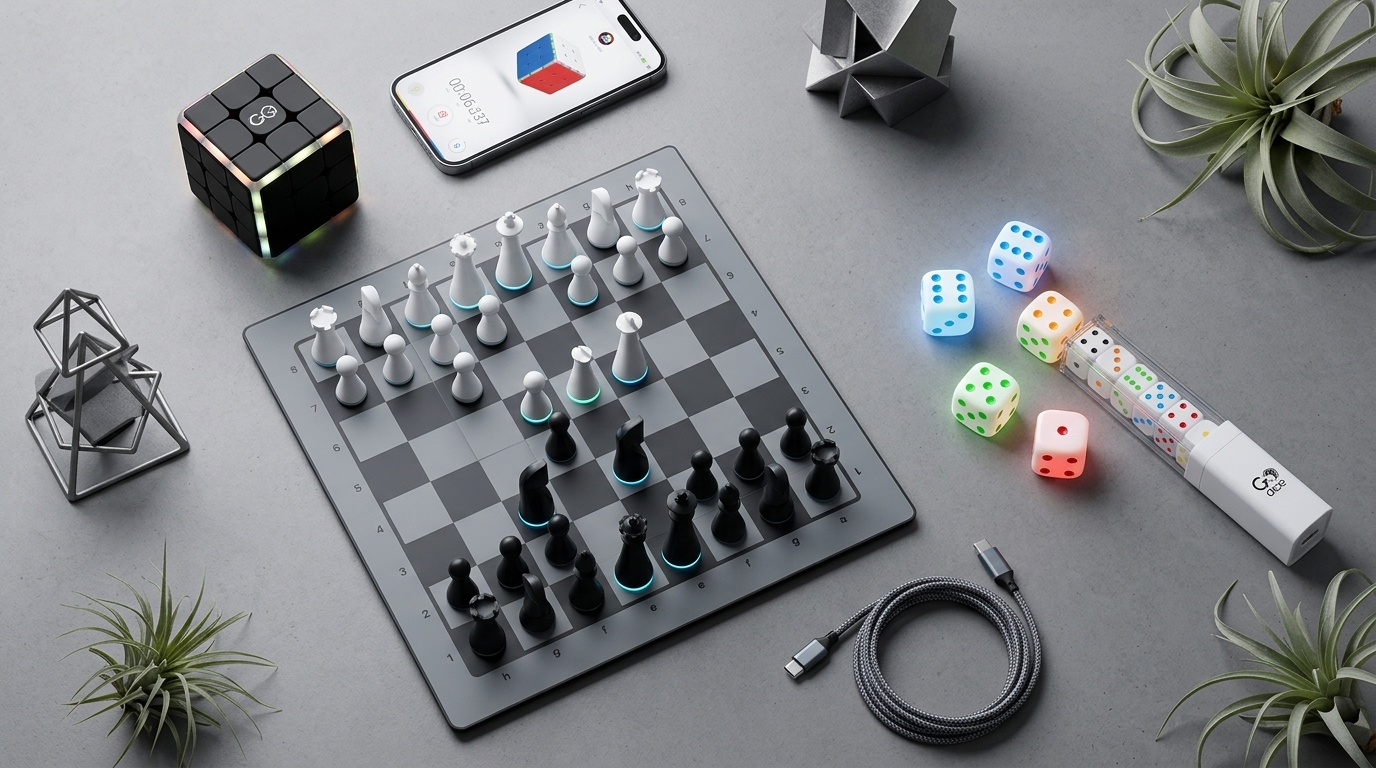
Updated July 2026. Teens are especially good at detecting a gift chosen from a generic trend list. A better gift starts with evidence already visible in their life: the puzzle they keep solving, the friends who gather around a table, the chess videos they watch, the art supplies they finish, or the event they keep mentioning. Particula makes the three connected products in this guide; their official details were checked on 2026-07-18.
What kind of gift will a teen actually use?
Choose a gift that deepens something the teen already does: GoCube for repeat puzzle practice, GoDice for a tabletop group, GoChess for an active chess interest, a creative kit for making, storage for an established hobby, or a shared experience with people they genuinely want to see.
The “smart” part should earn its place. Tracking can make improvement visible, guidance can reduce frustration, and a connected game can expand who plays. None of those features matter when the recipient does not want the underlying activity. Ask what happens during an ordinary week, not what looked exciting in a thirty-second demonstration.
A useful conversation can be indirect. Ask what they are trying to improve, what they do when friends come over, or which hobby currently lacks a good tool. Listen for constraints as carefully as interests: limited desk space, a busy school schedule, an old phone, or no regular game group can rule out an otherwise appealing idea. Teen autonomy matters, so leave room for them to choose a version or color when surprise is less important than exact fit.
Which six gift routes make a useful shortlist?
The six practical routes are a connected cube, smart dice, a guided chess board, a creative kit, a storage or display upgrade for an existing hobby, and an experience shared with friends. Start with the teen's current behavior, then choose the route with the clearest second use.
1. GoCube Edge: for a teen who enjoys twisty puzzles, timed practice, and trying again.
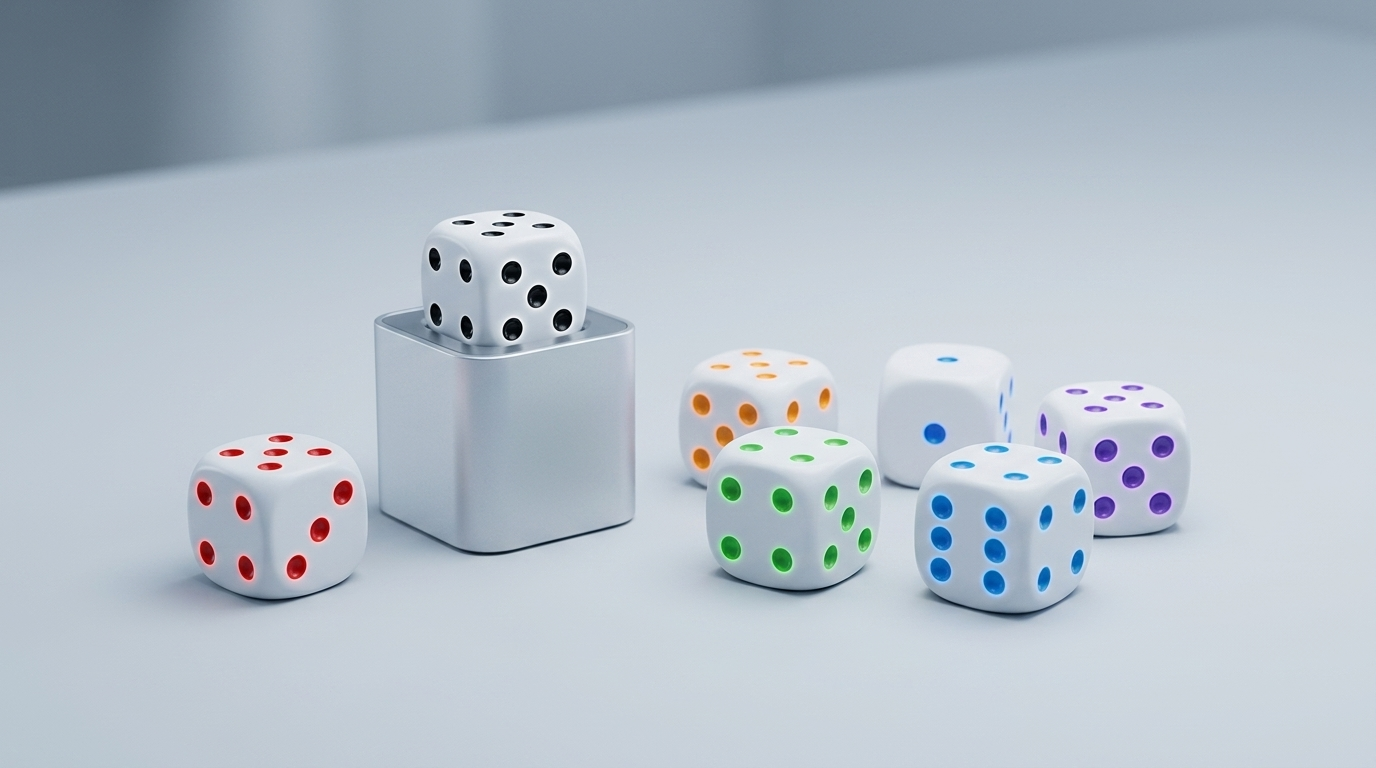
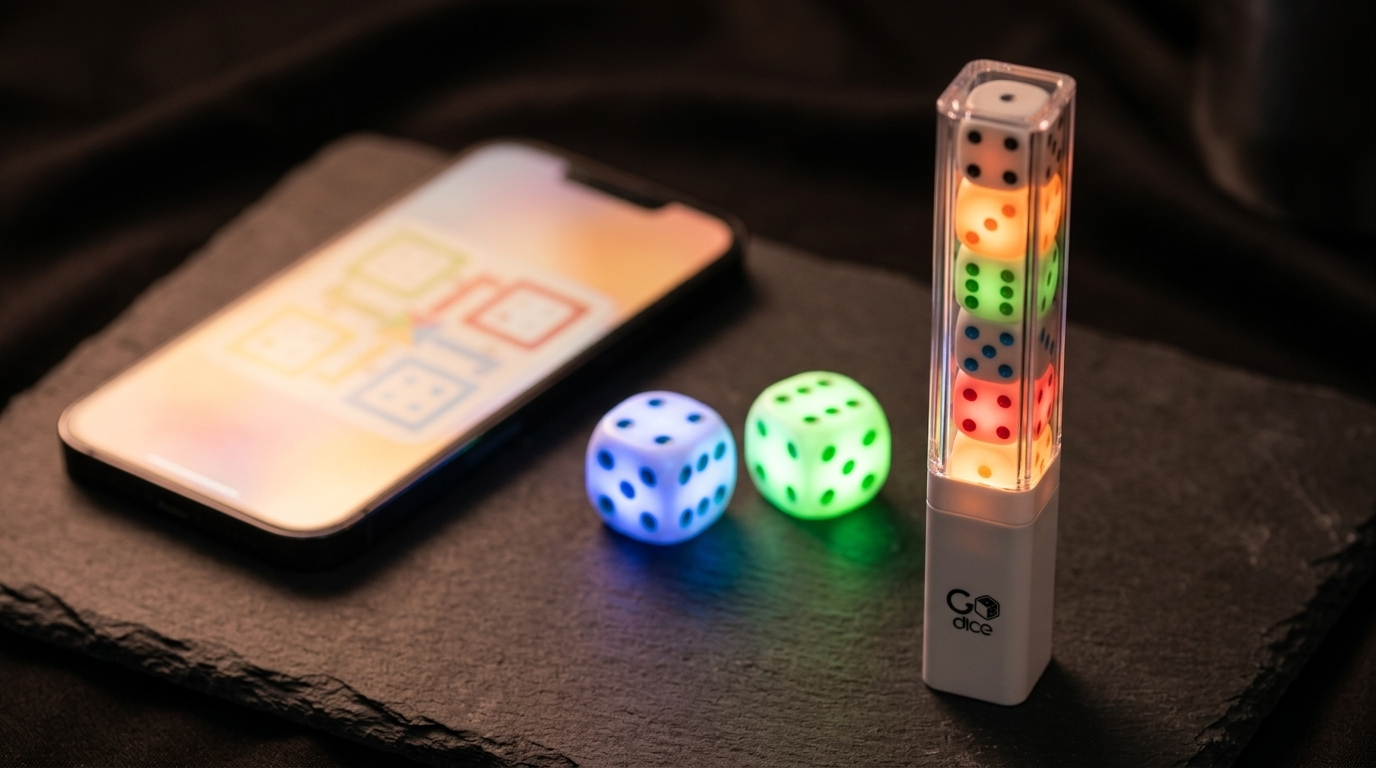
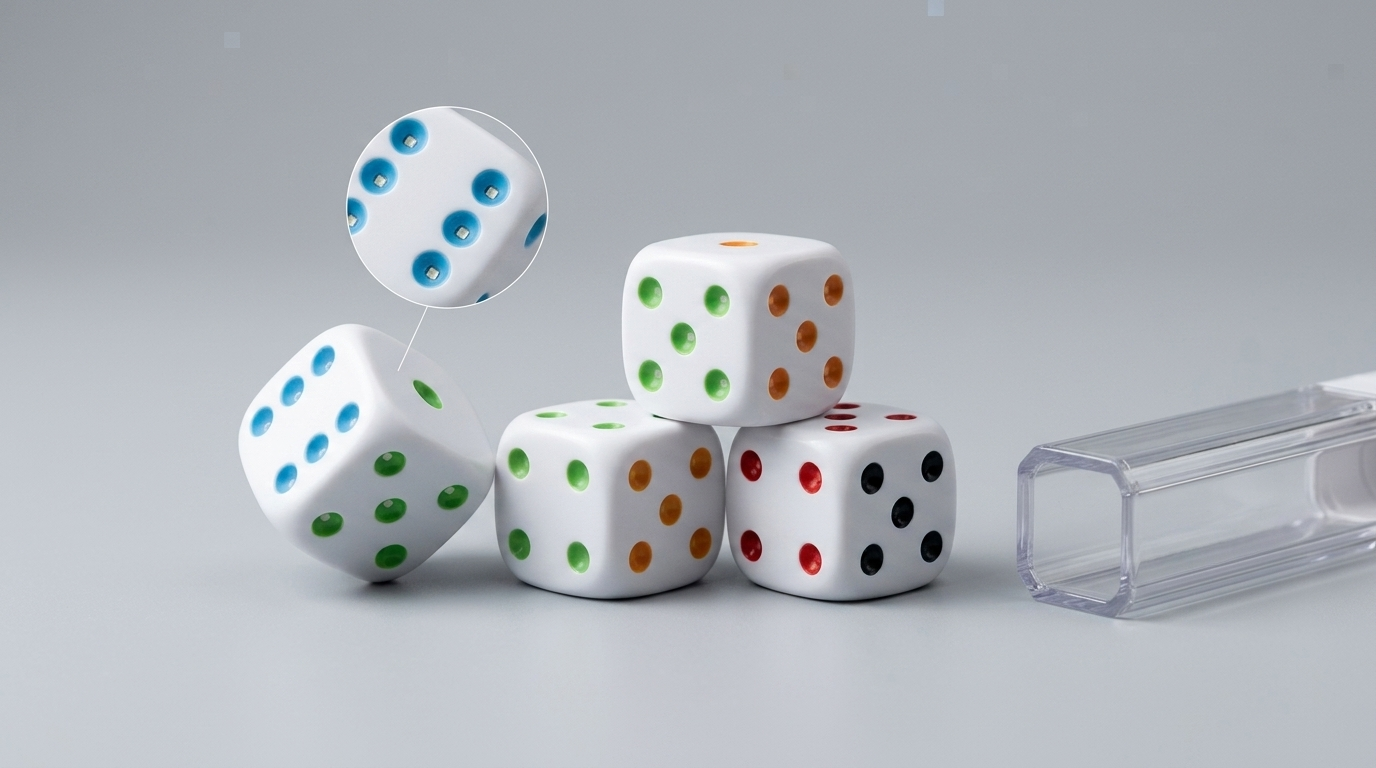
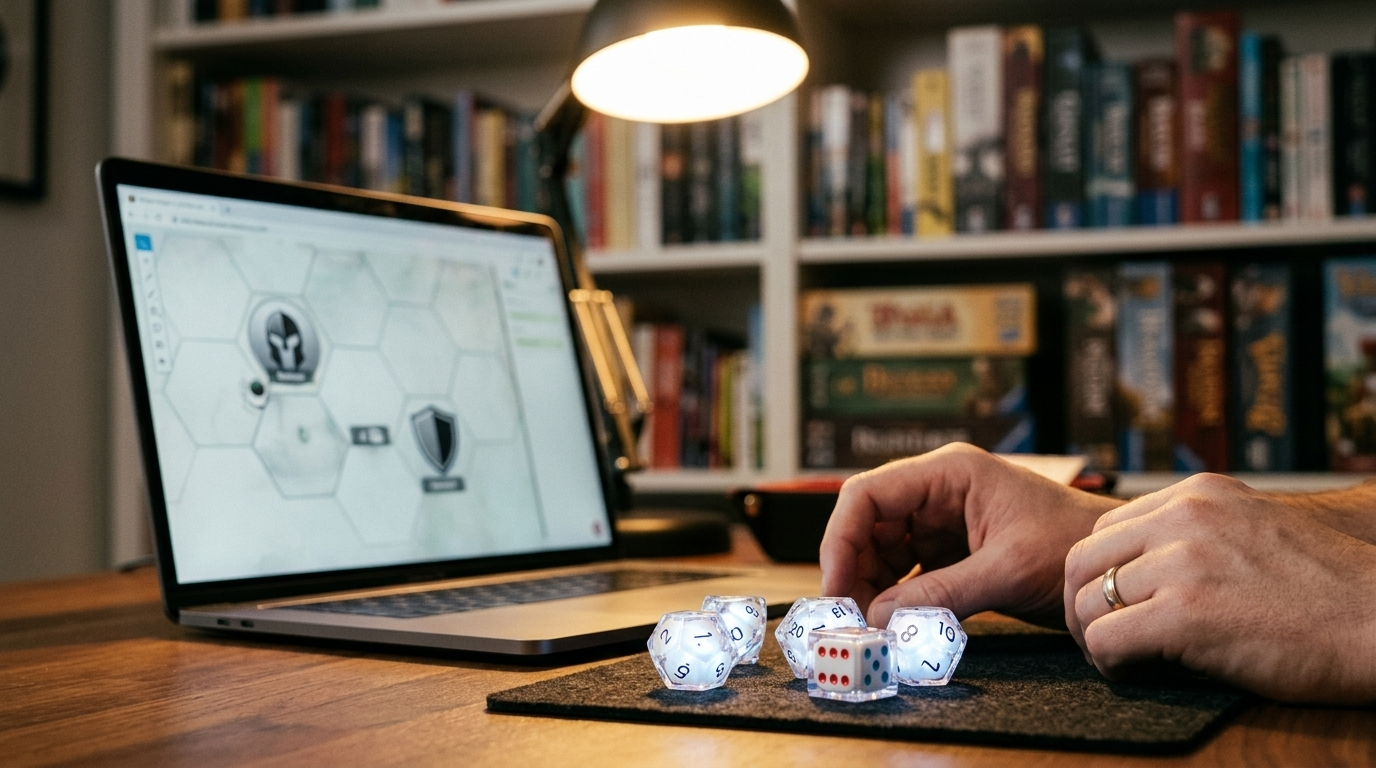
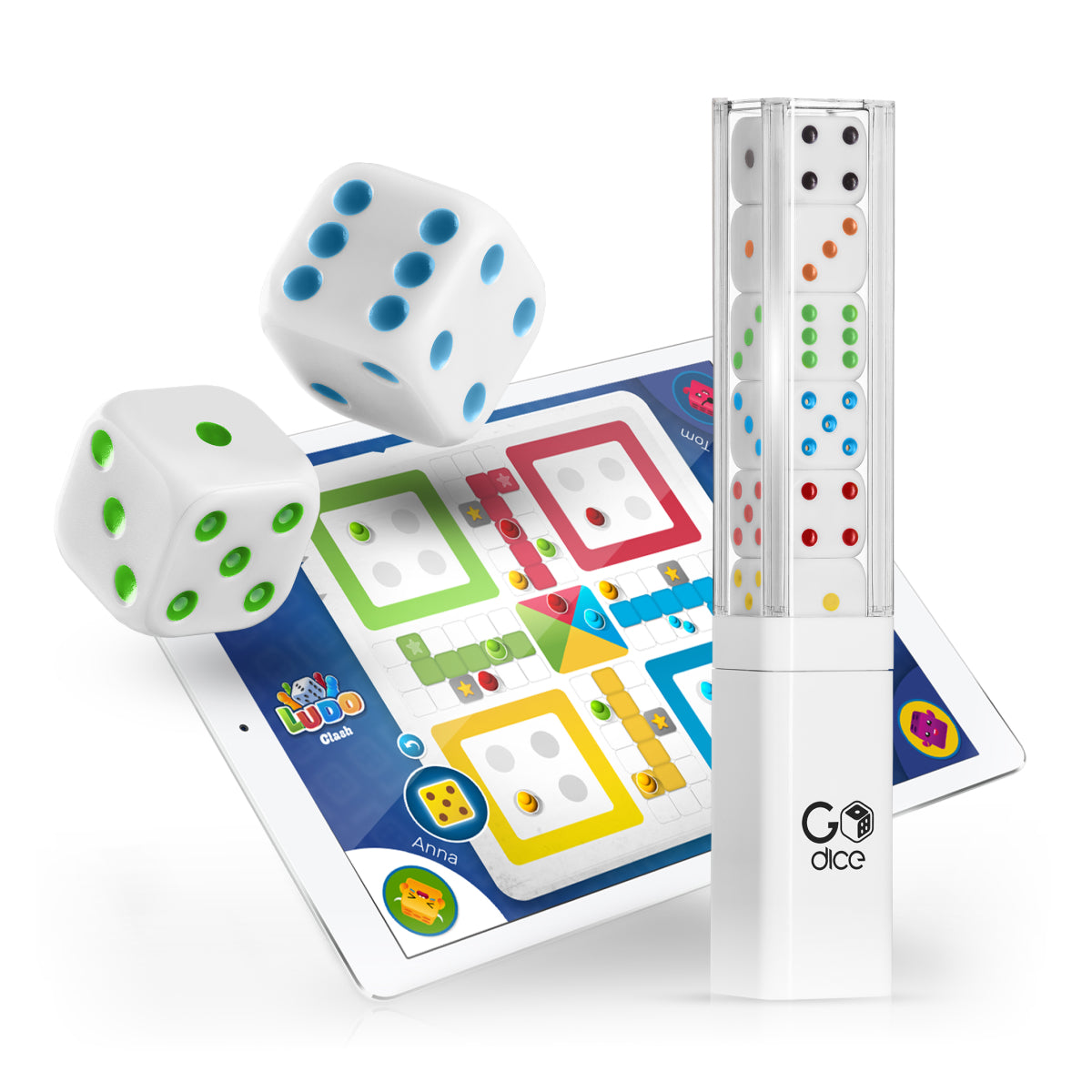
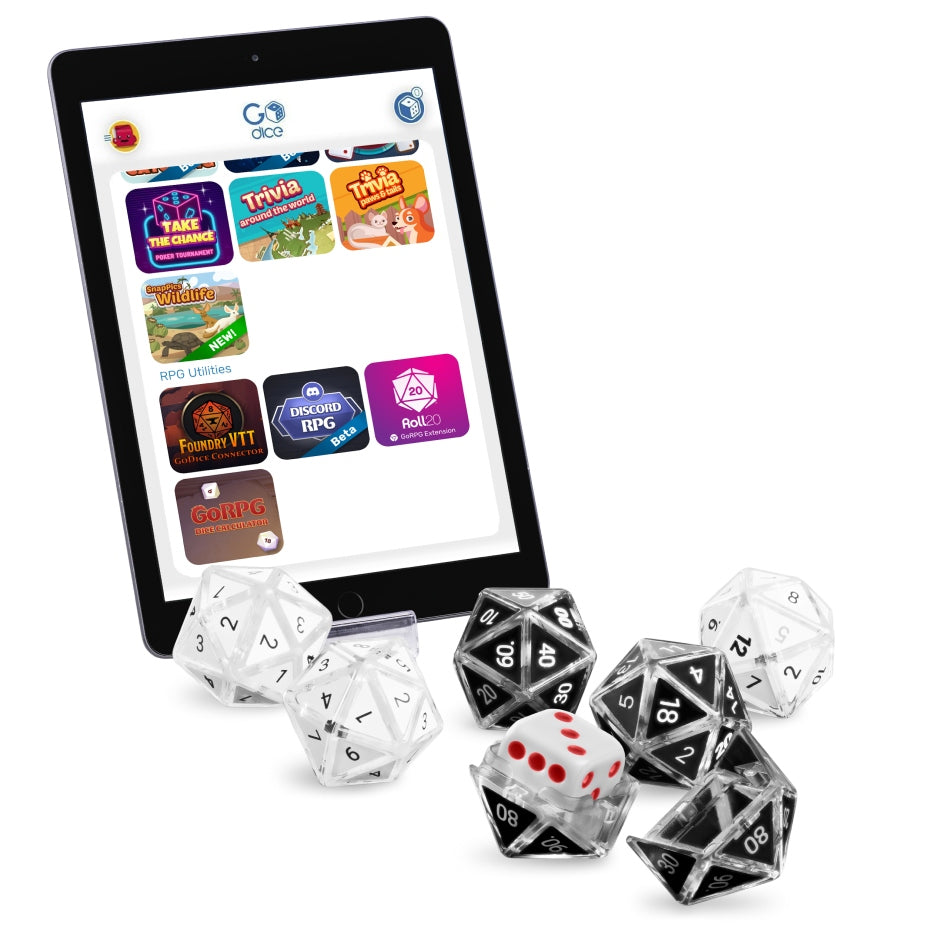
2. GoDice Full Pack: for someone whose fun is social and who has a reliable group for tabletop games.
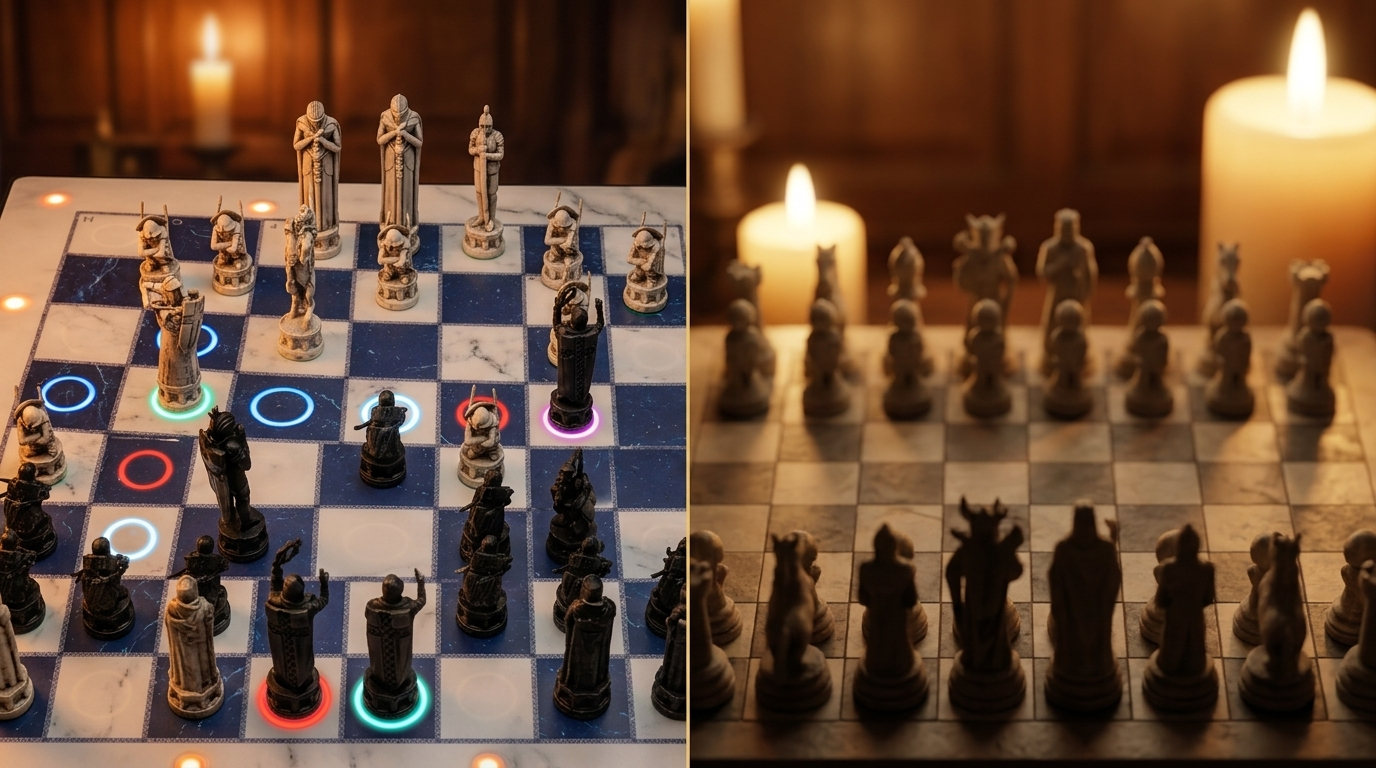
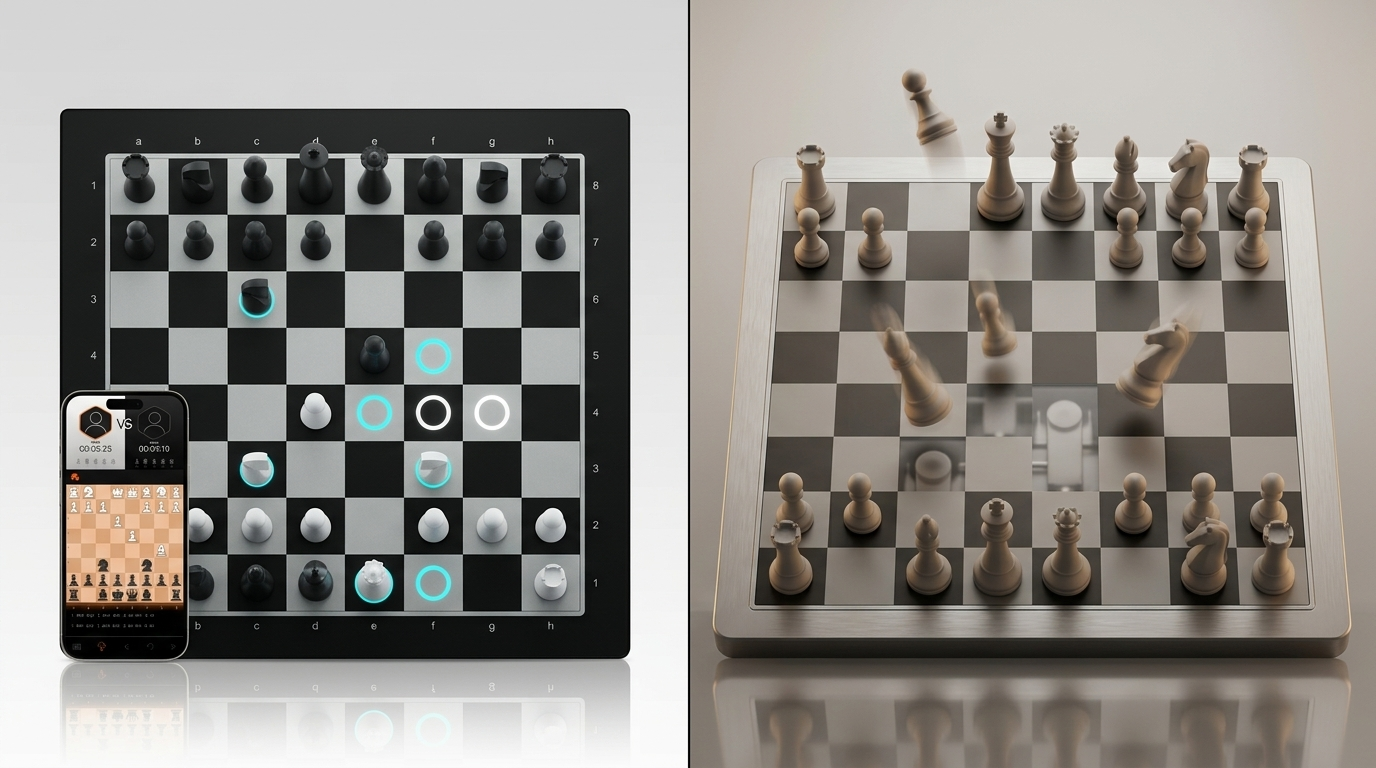
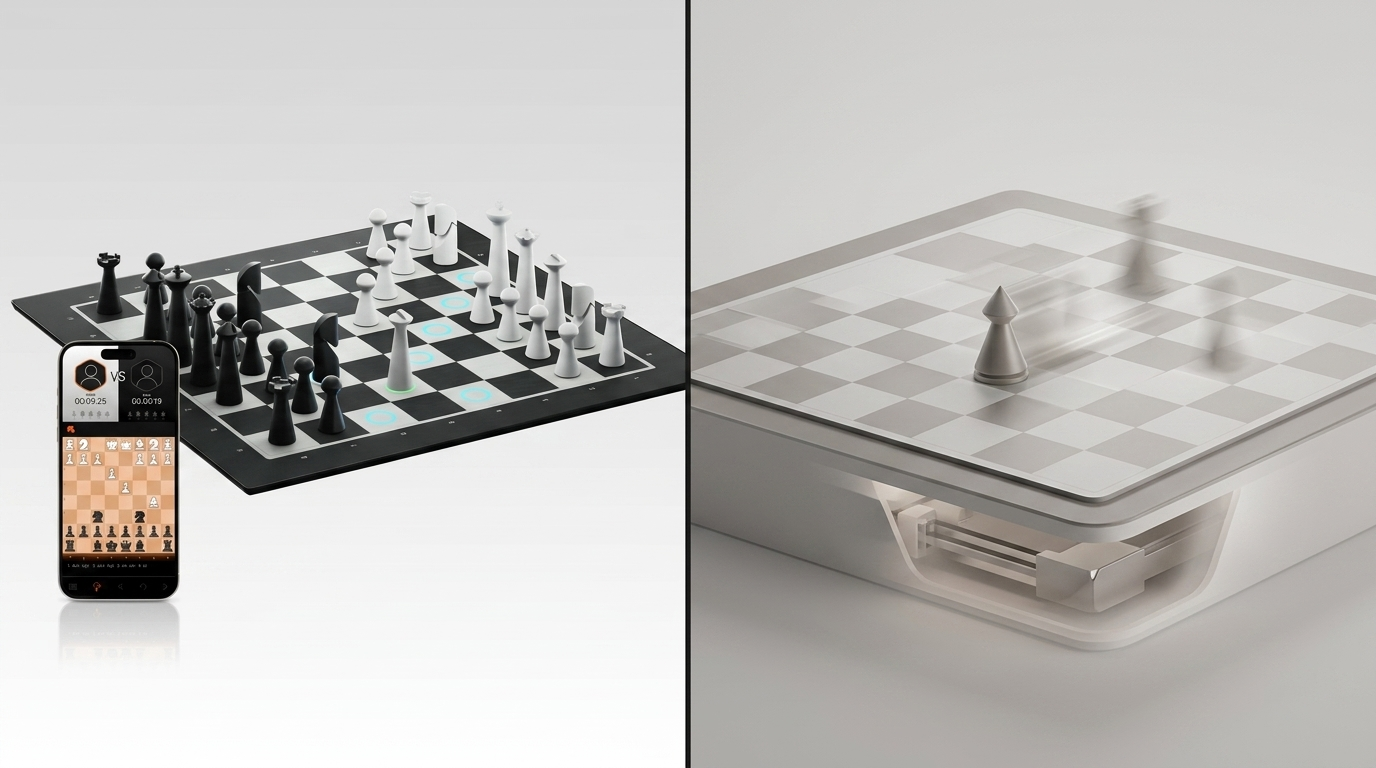
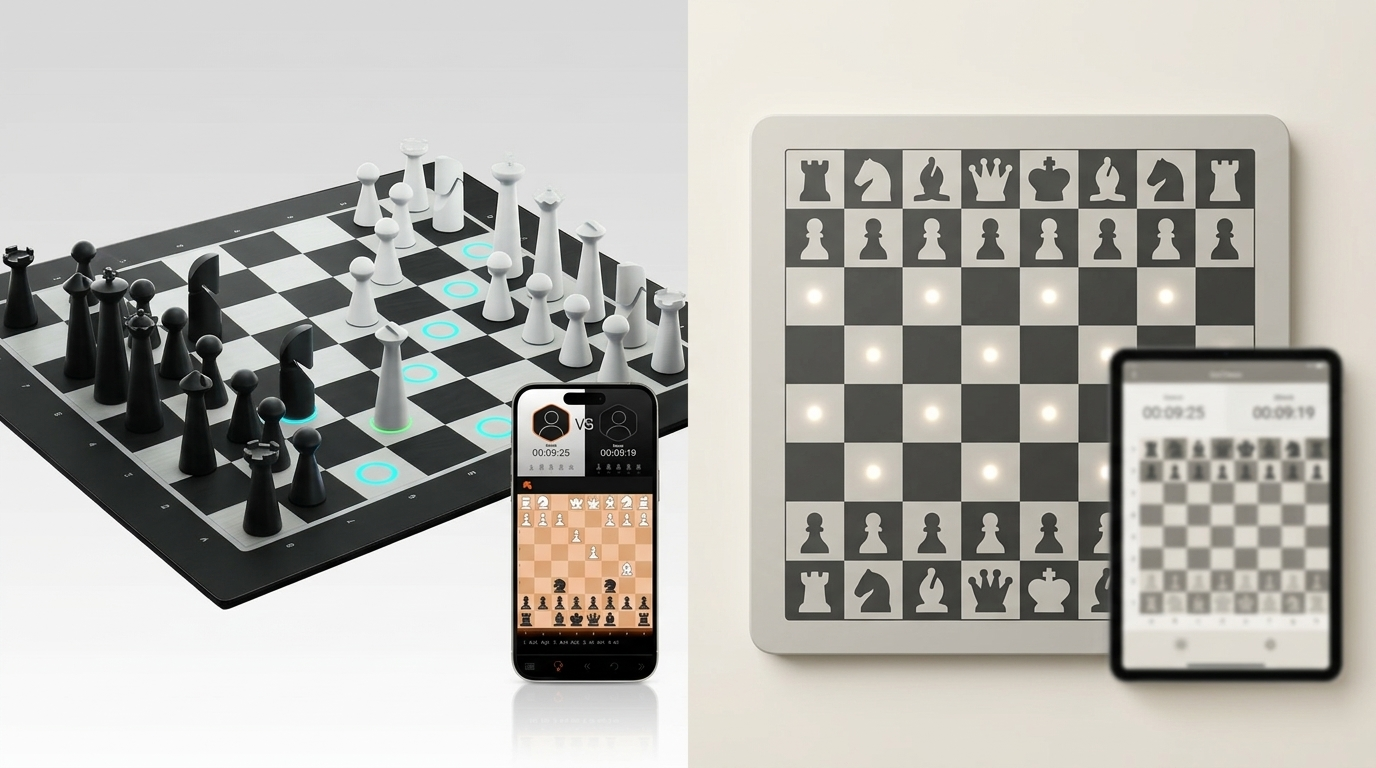
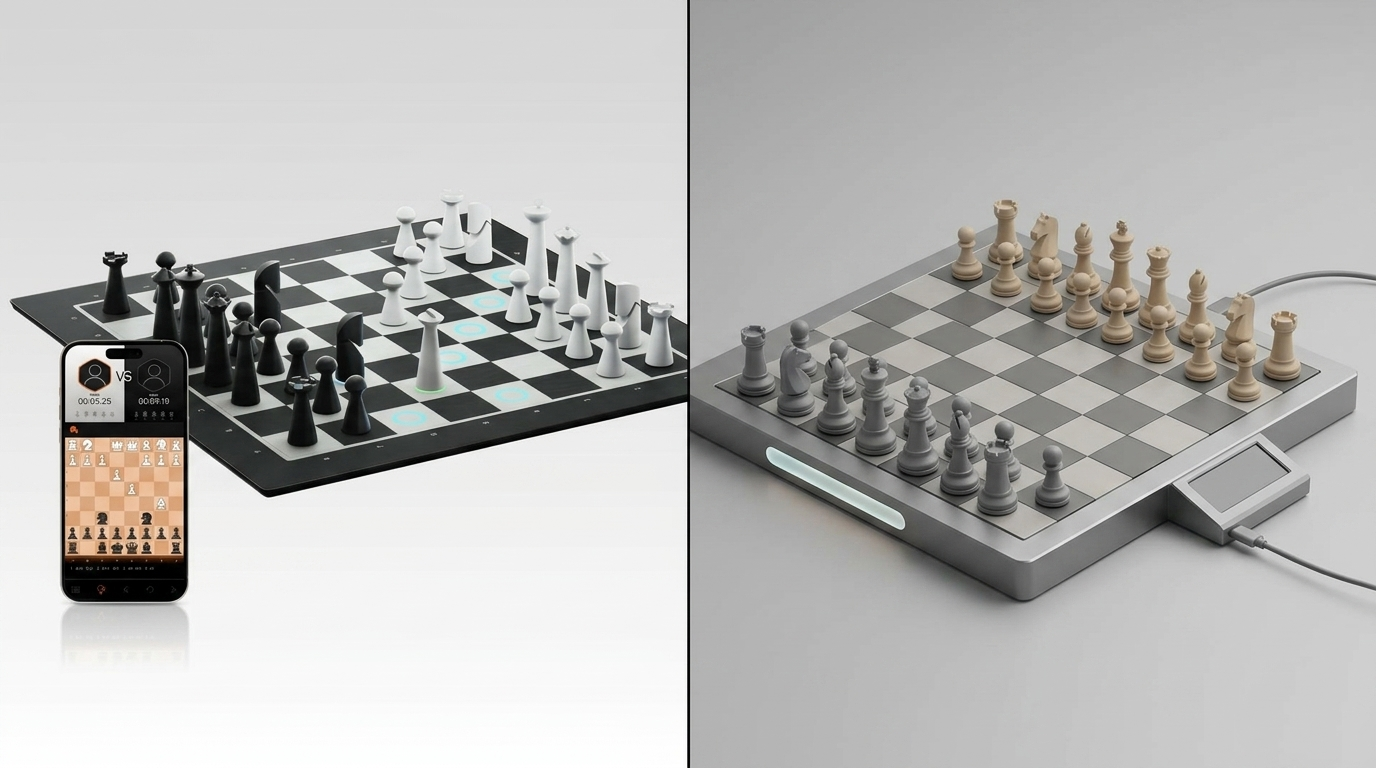
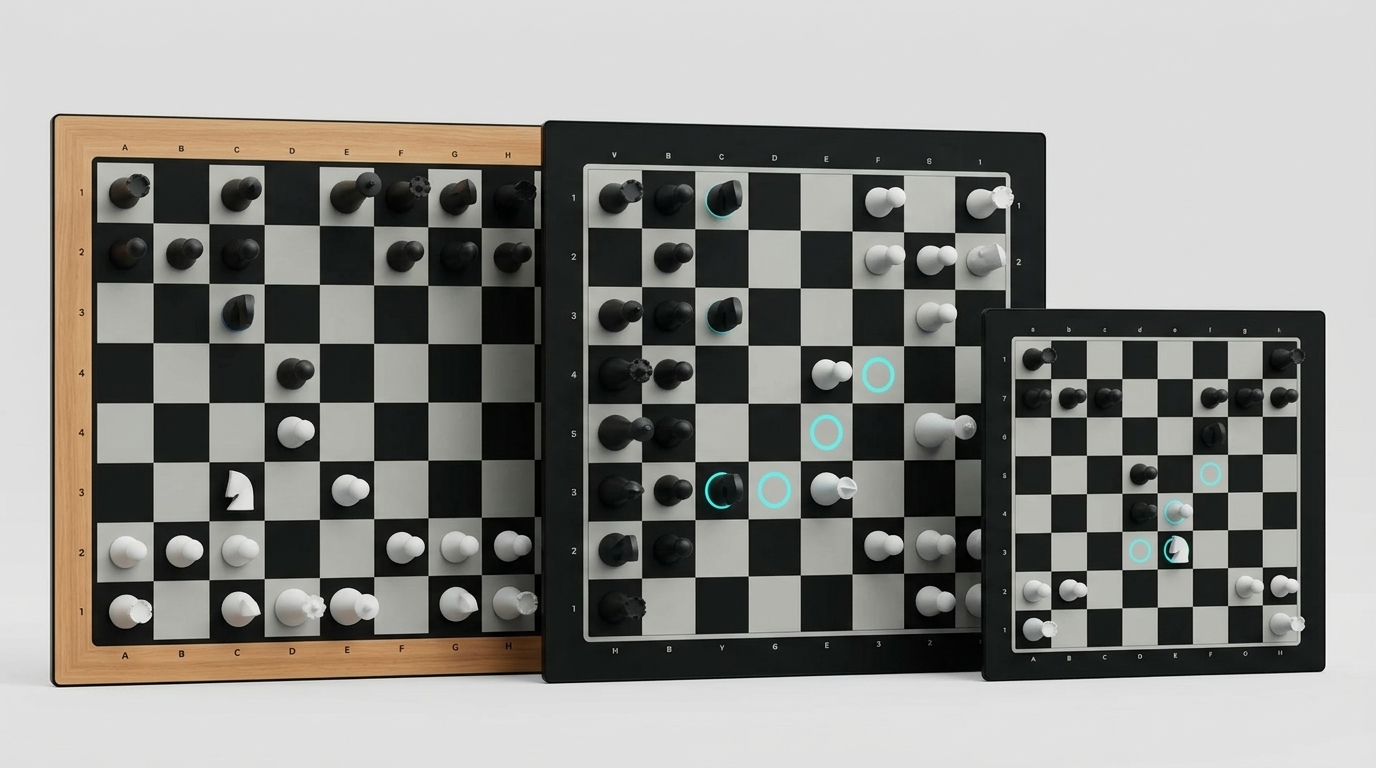
3. GoChess Lite Modern: for a teen already interested in chess who can use guidance or connected modes.
4. A creative kit: for a maker who will use the materials, not merely admire the packaging.
5. A hobby upgrade: storage, display, or a practical accessory can feel remarkably personal when it solves a problem the teen has mentioned.
6. A shared experience: plan the activity, date, and people instead of handing over an open-ended promise.
| Connected pick | Best-fit teen | Sale price as of 2026-07-18 | What must be true |
|---|---|---|---|
| GoCube Edge | Self-directed puzzle solver | $59.95 | They enjoy repetition and visible improvement |
| GoDice Full Pack | Social tabletop player | $67.95 | They have people and time to play |
| GoChess Lite Modern | Chess learner or player | $269.95 | Chess interest is already real |
How do GoCube, GoDice, and GoChess differ?
GoCube centers on solo puzzle practice, GoDice on shared physical rolls and app-supported games, and GoChess on a light-guided physical board with connected play. All three preserve a tabletop object while adding digital feedback. The right choice depends on solo, social, or focused competitive habits.
GoCube is easy to picture in short sessions: a few attempts between other activities. GoDice needs a social context; without a group, its best strength disappears. GoChess asks for more time, attention, and budget, but can support an ongoing learning route for the right player. Do not treat the three prices as a ladder of quality. They represent very different routines.
Think about where each object will live. A cube can sit within reach on a desk or travel in a bag. Dice need a safe storage place and a table where people can gather. A chess board needs more deliberate room and a player willing to complete longer sessions. The physical footprint is part of use even when this package does not state exact dimensions. Confirm current measurements on the official page if placement could change the decision.
How much should you spend on a teen gift?
As of 2026-07-18, GoCube Edge is $59.95 on sale, GoDice Full Pack is $67.95, and GoChess Lite Modern is $269.95. Recheck live prices before ordering. Spend according to likely use and fit, not the idea that a higher price will make the gift feel more serious.
Each official listing in the evidence pack states a one-year warranty and 30-day money-back or limited money-back terms. Read the current terms for the exact item. For the creative, storage, and experience routes, set a budget after the route is chosen and confirm specifications with the official provider rather than filling the list with invented examples.
It can help to divide the budget into product and participation. A connected game may need no additional purchase, but it does need time, a charged device, and sometimes another person. A creative kit needs a workspace and may need replenishment. An experience needs transport and a date everyone can keep. These practical costs are not reasons to avoid the gift; they are the details that turn a promising idea into something usable.
When is a non-connected gift the better choice?
Choose a non-connected gift when the teen wants fully screen-free time, dislikes account or device setup, already has a preferred app, or would value materials, storage, display, or time with friends more. Connectivity deserves a premium only when its feedback or expanded play will be used.
A standard cube, ordinary dice set, or conventional chess board can preserve the physical activity with fewer steps. A simple accessory can show close attention to an existing hobby. An experience can avoid adding another object to a crowded room. “Less tech” is not a fallback; it can be the more accurate reading of the recipient.
Also consider whether the teen already owns a satisfactory version of the physical object. If they love their current cube, dice, or chess set, a connected replacement may disrupt rather than deepen the habit. Ask what problem the upgrade solves: clearer feedback, remote play, group variety, or a better learning path. When no answer appears, use the budget to support the existing setup instead. A well-chosen case, shelf, lesson, or shared event can honor expertise better than replacing equipment without permission.
What should you check before ordering?
Confirm the teen's interest, available time, people to play with, device access, and tolerance for setup. For Particula products, recheck price, stock, included items, charging needs, warranty, return terms, age guidance, and shipping. For other routes, verify every specification directly with the provider.
Make the handoff easy. Charge and test a connected game before the celebration when appropriate, arrange the first group session for GoDice, and know which chess mode matters to a GoChess recipient. For a creative kit, include enough time and space to begin. For an experience, offer usable dates. A gift feels “cool” for a day; a clear route into use makes it thoughtful for much longer.
Official sources: GoCube Edge, GoDice Full Pack, and GoChess Lite Modern on Particula. They support the dated prices and connected-play facts above.