


Updated July 2026
The other day I watched a kid build an entire city out of LEGO, then ask his tablet, “How can I make this city alive?”
It hit me. Kids today are experimenting, learning, connecting dots faster than we ever did with our puzzles and board games. That’s the moment you realise it’s time for smart games for kids.
They’re clever hybrids, part toy, part teacher, part friend. They mix fun with thinking, play with problem-solving, and tech with creativity. Why does it matter? Because in a world of instant videos and endless scrolling, these games slow things down just enough to let kids notice, try, and think.
In this article, we’ll explore the best smart games for kids available online right now, what makes them brilliant, and why they’re worth your attention.
Key Benefits of Smart Games for Kids
Not every shiny app or noisy toy counts as a smart game. Some just light up and make sounds. Real smart games do something different: they work with the child’s brain.
They work on:
- Problem-solving skills – Kids learn to test ideas, adjust, and try again. Every puzzle solved is a tiny “I can figure things out” moment.
- Focus and attention span – While fast content fragments attention, smart games reward patience. You can’t rush a good strategy game; you have to stay with it.
- Emotional resilience – Losing, trying again, getting stuck, and finally solving it. These are the kind of brain games for kids that teach them that frustration is part of the process.
- Curiosity and creativity – Smart games invite “what if” thinking: What if I move this here? What if I try a new path?
- Social skills – When kids play with siblings or parents, they practice turn-taking, explaining ideas, dealing with winning and losing like decent humans ( eventually :D ).
Now that we’ve seen what to look for and why it matters, let’s explore some of the best smart games for kids available today.
Best Smart Games for Kids to Challenge Their Brains (and Have Fun Doing It)
A better way to choose a smart game is to match the game to how your child likes to learn:
- Skill-builders: best for kids who enjoy repetition, getting faster, and seeing progress
- Strategy trainers: best for kids who like planning ahead, competing, and figuring out what happens next
- Creativity sandboxes: best for kids who stay engaged when learning feels open-ended, hands-on, and playful
That lens makes the picks below easier to compare.
1. GoCube
Type: Skill-builder
Best in category for: kids who like visible progress, guided learning, and the feeling of getting better each time
Not ideal for: kids who dislike repetition or lose interest when improvement takes a few tries

GoCube is what happens when you completely re-engineer the iconic puzzle toy. The classic cube turns into a modern super-puzzle with a brain: it connects via Bluetooth to the GoCube app, teaches you step-by-step, tracks every solve, and unlocks battles, mini-games, and challenges. There’s also GoCube 2×2 for younger kids or beginners who want a lighter, friendlier start. Both cubes plug into a global leaderboard, so kids can literally see themselves climbing the world ranking as they get faster and smarter.
What play looks like: A child might begin with the guided tutorial, finish a slower solve with help, then replay the same challenge with fewer prompts. The 2×2 version can also be a gentler starting point before moving to the standard cube.
Why it works:
- Makes a “hard” puzzle feel guided and achievable
- Builds spatial reasoning, memory, and pattern recognition
- Global leaderboard + battles = extra motivation to improve
- The 2×2 option is perfect for smaller hands or total beginners
What a parent should notice: longer focus, less random twisting, more willingness to retry, and growing excitement around improving a result rather than just finishing once.
2. IQ Puzzler Pro
Type: Skill-builder
Best in category for: kids who like quiet, independent problem-solving and figuring things out on their own
Not ideal for: kids who need fast feedback, movement, or more interactive stimulation to stay engaged

IQ Puzzler Pro is a pocket-sized puzzle board packed with 120 challenges in both 2D and 3D. Kids place colorful pieces into grids, build pyramids, and solve patterns that slowly move from “oh, this is easy” to “wait, how is this even possible?” It’s like a tiny logic gym you can carry anywhere.
What play looks like: A child starts with an easier puzzle, tries a few piece placements, removes them, rotates the shapes, and works through the solution by testing different options until the pieces finally fit.
Why it works:
- Trains logic and visual-spatial thinking
- Screen-free but still deeply engaging
- Great for quiet time, travel, or “games to play when bored.”
- Lets kids feel the satisfaction of solving something on their own
What a parent should notice: steady concentration, more patience with trial and error, and a child who starts checking options before asking for help.
3. Osmo
Type: Creativity sandbox
Best in category for: kids who like screens but learn better when they can touch, move, and build with real pieces
Not ideal for: families specifically looking for a screen-like game experience

Osmo Genius Starter Kit turns an iPad into a hands-on learning lab. Kids place the tablet in the Osmo base, add a small reflector over the camera, and suddenly the iPad can “see” the physical pieces they move on the table. The kit includes five educational games for kids that cover math, spelling, problem-solving, and creative drawing, blending real tiles, letters, and shapes with interactive digital challenges. It’s classic tabletop play upgraded with computer vision.
What play looks like: A child places a letter, shape, or piece on the table, watches the screen react, then adjusts it if the answer is off. The game responds quickly, so the child can test ideas and correct them in the moment.
Why it works:
- Combines physical play pieces with smart on-screen feedback
- Covers core skills: math, spelling, logic, creativity
- Great for kids who like screens and touching real objects
- Feels like playtime, quietly works like a study session
What a parent should notice: active participation instead of passive screen staring, quick self-correction, and more talking through answers while playing.
4. GoChess & GoChess Wizard
Type: Strategy trainer
Best in category for: kids who are ready for deeper thinking, longer-term improvement, and learning to plan ahead
Not ideal for: kids who want instant wins, very short rounds, or games with constant novelty

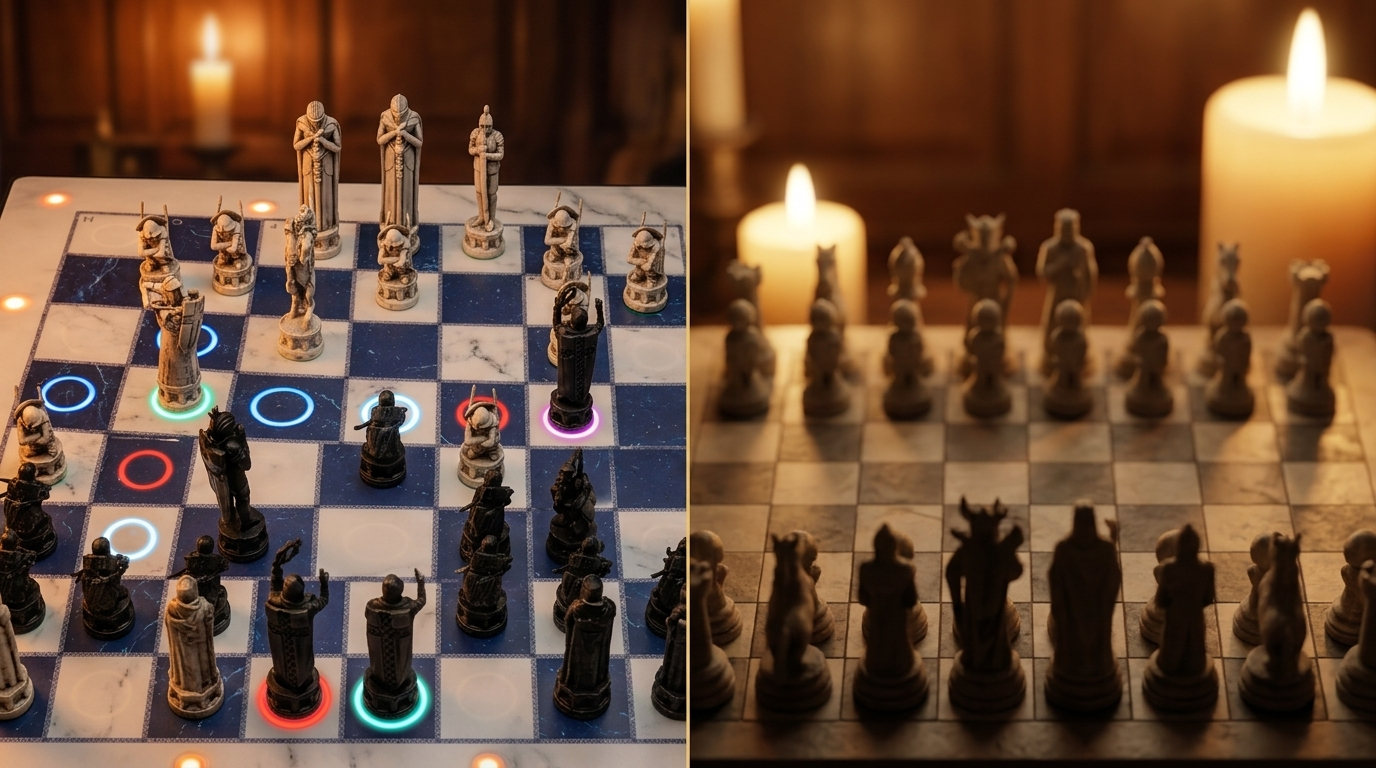
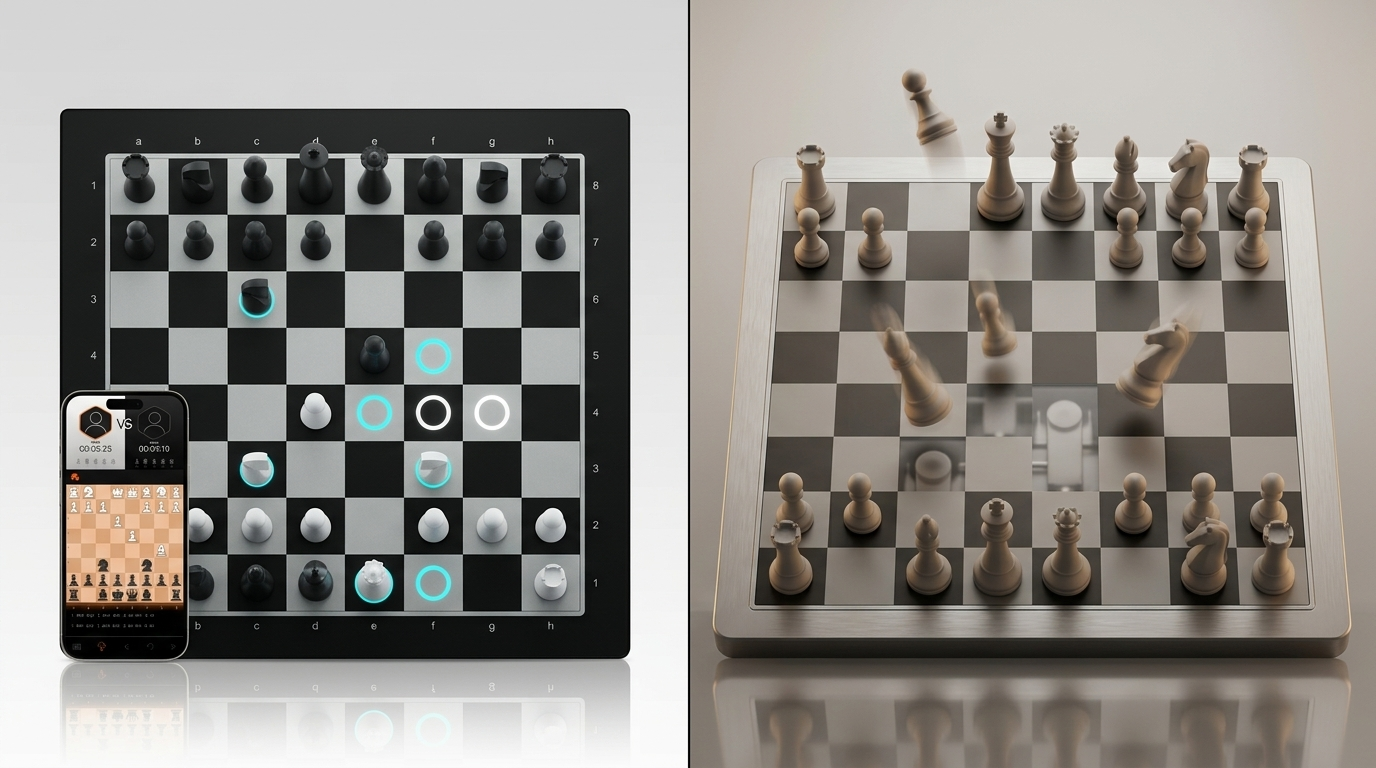
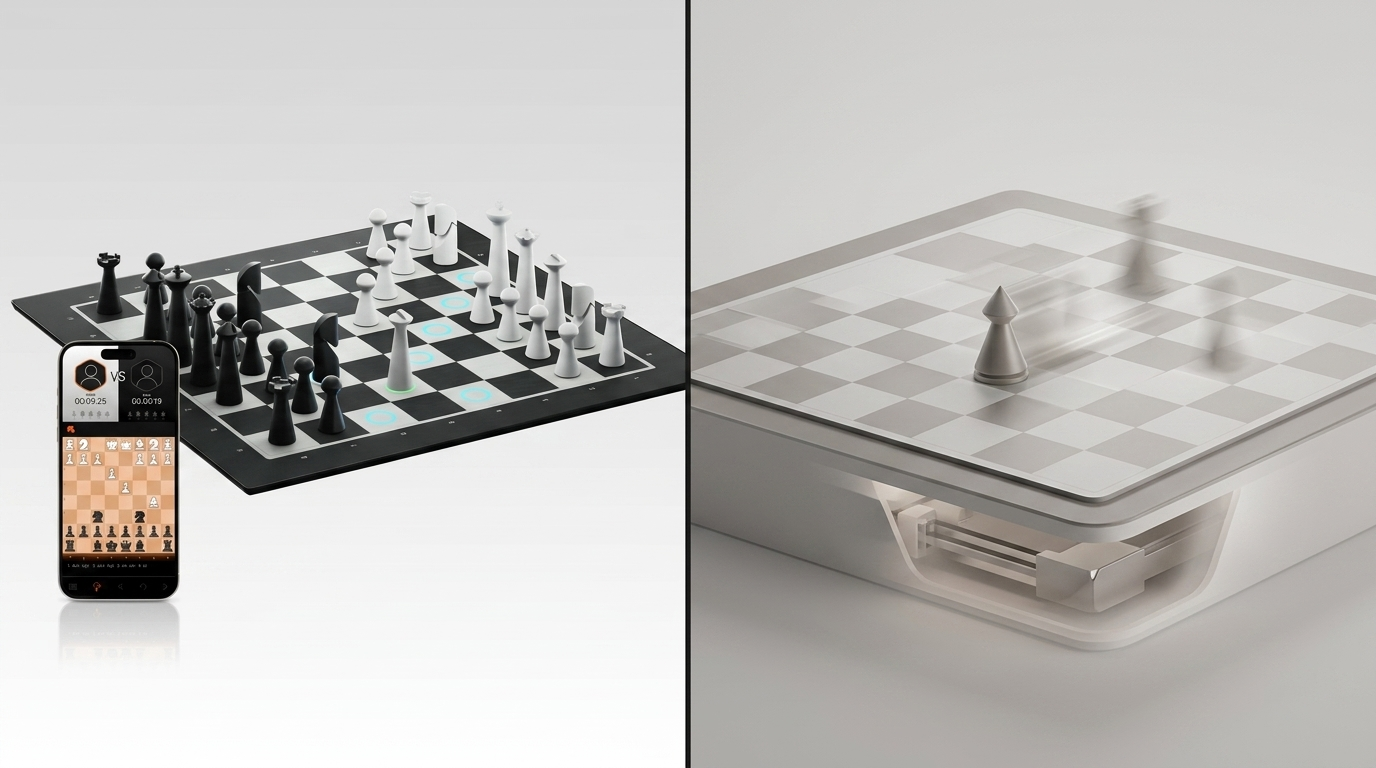
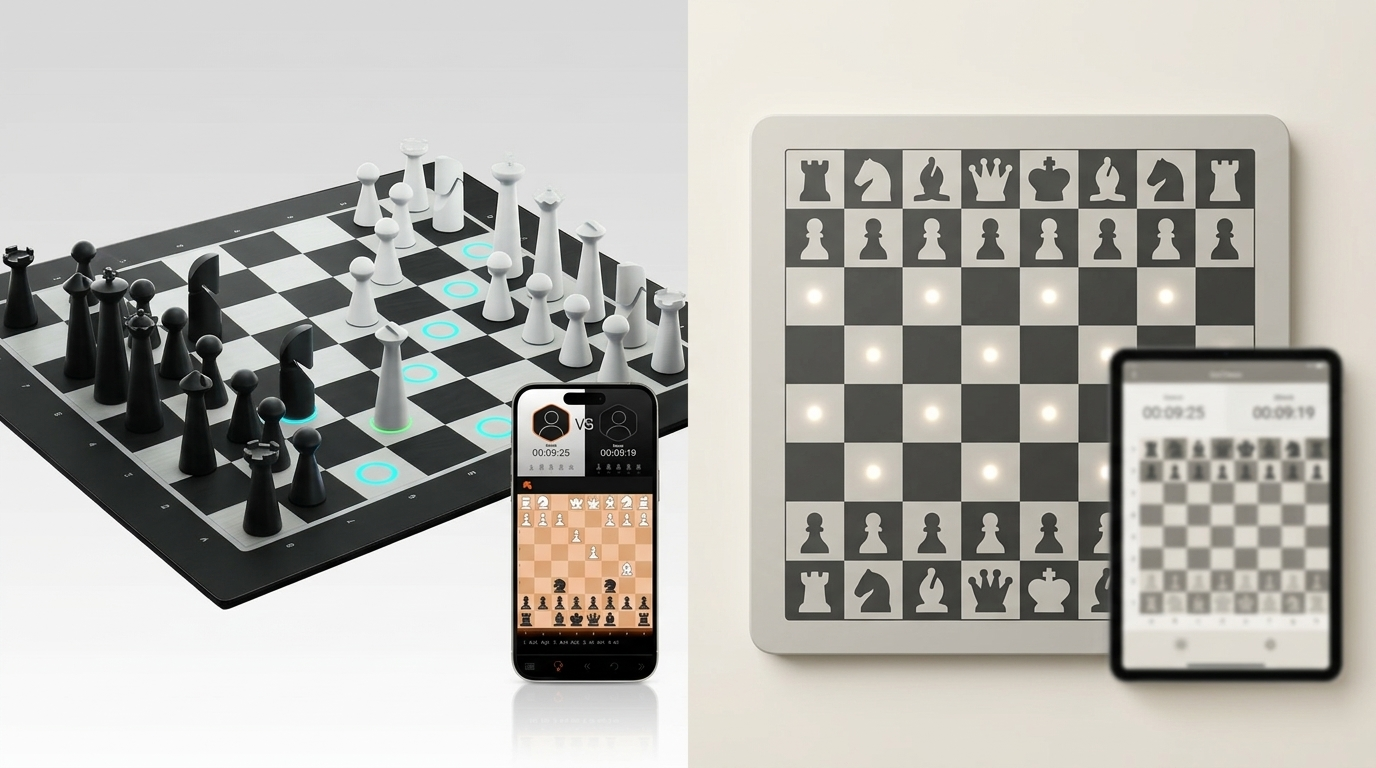
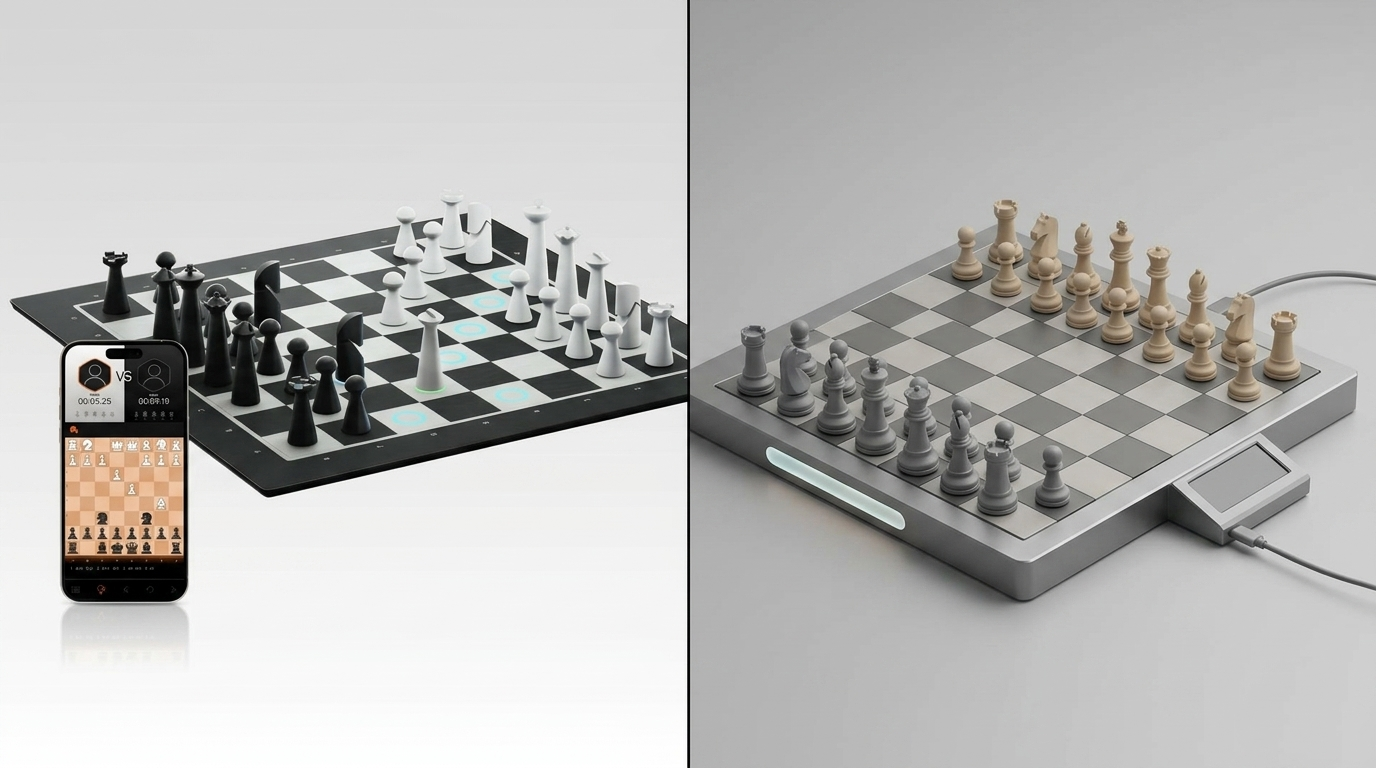
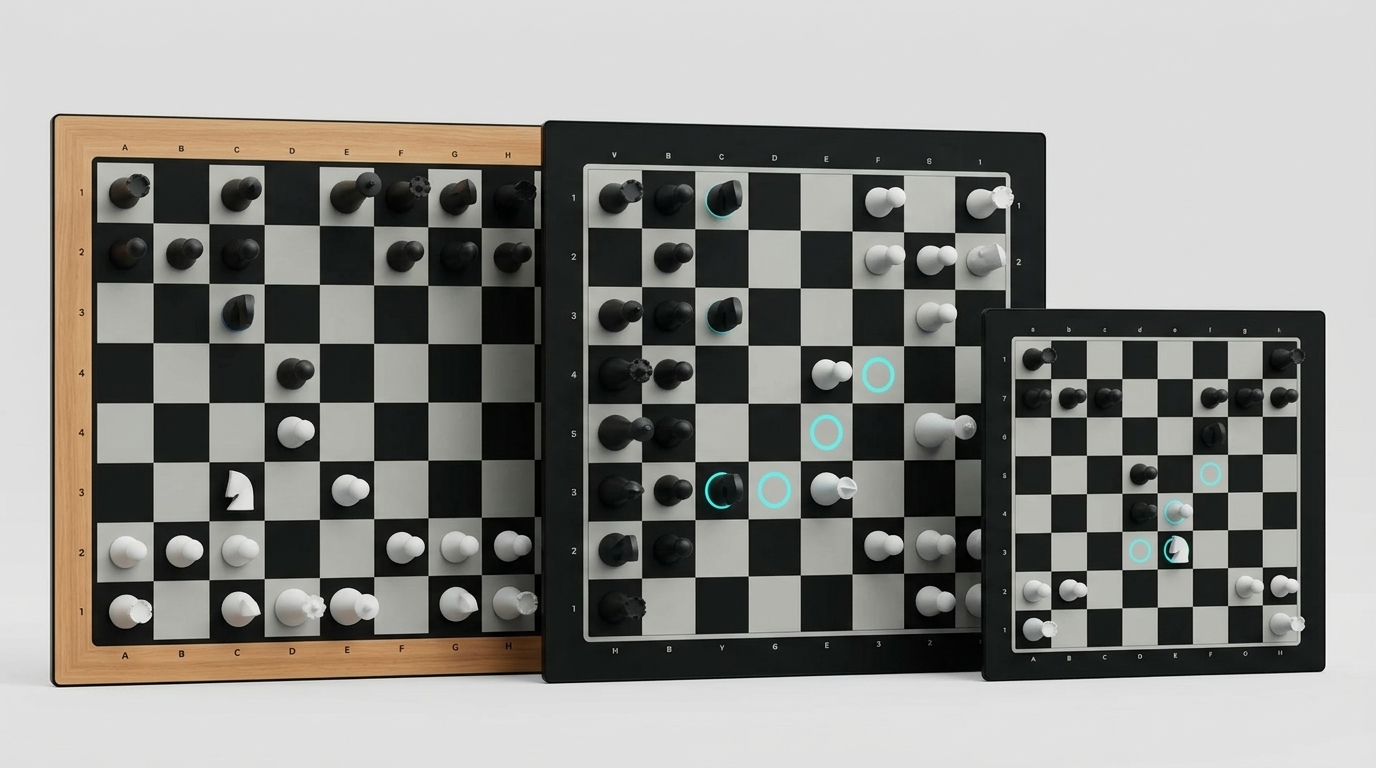
GoChess takes the most iconic strategy game on earth and turns it into a smart training partner. The board is packed with sensors and LEDs, offers 32 difficulty levels, and connects to an app that gives kids three ways to play: face-to-face with move tracking, online via Chess.com or Lichess, or against AI with 32 difficulty levels.

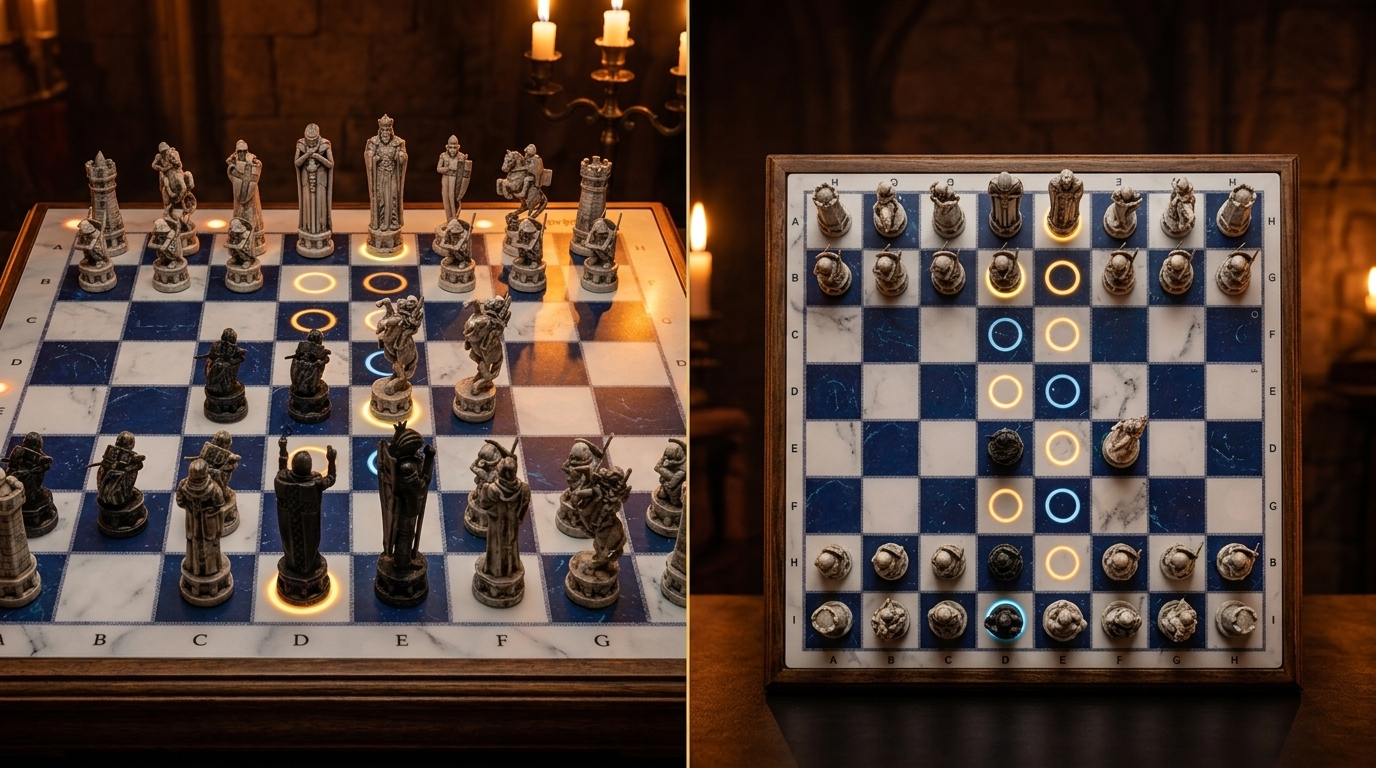
The GoChess Wizard edition wraps all that power in a more magical, story-like skin: officially partnered with Warner Bros., themed pieces, quest-style learning, and a look that makes it feel less like a lesson and more like a Hogwarts adventure.
What play looks like: A child starts on a lower level, follows the visual guidance during a game, finishes a match, and gradually begins relying less on prompts. The Wizard version can help a more hesitant child stay engaged longer because the experience feels more inviting from the start.
Why it works:
- Teaches planning, strategy, and patience in a very visual way
- Vs-AI practice includes 32 difficulty levels, so the challenge can grow gradually
- Online sync lets them play “for real” without staring only at a screen
- The Wizard edition is perfect for kids who love worlds, stories, and magic layered onto logic
What a parent should notice: more thinking before moves, more “if I do this, then…” talk, and better patience when a game doesn’t go their way.
5. GiiKER Smart Four
Type: Strategy trainer
Best in category for: kids who like quick rounds, clear rules, and learning through immediate feedback
Not ideal for: kids who prefer open-ended play or want a slower, deeper strategy game

GiiKER Smart Four takes the classic “Connect Four” game and gives it an AI-powered twist. The board has built-in sensors, LED indicators, and Bluetooth connectivity, letting kids play against a smart AI referee or challenge friends through the app. It keeps score, offers hints, and adjusts difficulty as you get better. It feels like a futuristic arcade game packed into a tabletop board.
What play looks like: A child plays a round, uses a hint after getting stuck, then starts the next round with a better sense of when to block, when to build, and when to think one move ahead.
Why it works:
- Introduces strategy and forward thinking in a playful way
- AI opponent keeps the challenge fresh at any level
- Lights and instant feedback make learning intuitive
- Encourages real-world interaction, not just screen time
What a parent should notice: fewer impulsive moves, more pausing before placing a piece, and faster recognition of simple strategy patterns.
6. GiiKER Smart Sudoku
Type: Skill-builder
Best in category for: kids who like structured logic, clear right-and-wrong feedback, and gradual challenge levels
Not ideal for: kids who strongly resist number-based games, even when they’re interactive

GiiKER Smart Sudoku is a digital twist on the number-placement classic. The handheld console lights up, checks every move in real time, and connects via Bluetooth to record progress and unlock daily puzzles. With multiple grid sizes (4×4, 6×6, 9×9) and built-in tutorials, it teaches logic through play, no paper or erasing required.
What play looks like: A child starts with a smaller grid, places a number, gets immediate feedback, fixes mistakes as they happen, and then moves up to larger grids once the logic starts to click.
Why it works:
- Turns traditional Sudoku into a living, interactive puzzle
- Teaches logic, pattern recognition, and number sense
- Provides instant feedback and hints when stuck
- Portable, quiet, and endlessly replayable
What a parent should notice: more careful thinking before each move, better pattern spotting, and a child who starts catching mistakes without needing outside help.
7. Beasts of Balance
Type: Creativity sandbox
Best in category for: kids who learn by experimenting, building, and seeing what changes when they try something new
Not ideal for: kids who prefer fixed rules, obvious winning conditions, or direct competition

Beasts of Balance blends physical stacking with digital magic. Kids stack wooden animal and artifact pieces onto a Bluetooth-connected base, and those pieces appear live in a tablet or smartphone app. Each new stacking choice affects the virtual world: animals evolve, ecosystems shift, and combos trigger fun reactions. It turns a simple pile of blocks into a hybrid real-plus-digital game of strategy and discovery.
What play looks like: A child adds one piece, watches the app respond, then changes the next piece to see what effect that creates. The fun comes from testing combinations and noticing how one choice changes the next outcome.
Why it works:
- Merges hands-on building and digital feedback for double-layered learning
- Teaches cause-and-effect: how actions in the physical world affect a virtual world
- Encourages creativity and experimentation
- Great for collaborative play: kids build together, observe outcomes together
What a parent should notice: curiosity, more “what happens if I try this?” thinking, and strong engagement when kids play together and react to the results.
How to Choose & Buy Smart Games for Kids
Choosing a smart game can feel a bit like standing in front of a toy shelf that’s blinking back at you. Everything promises “learning” and “fun” at the same time. Some of it actually delivers.
To make the choice easier, use this quick smart game match-up:
- If your child loves visible progress and getting better step by step, get GoCube or GiiKER Smart Sudoku.
- If your child is ready for a deeper strategy and long-term growth, get GoChess or GoChess Wizard.
- If your child likes quiet, independent problem-solving, get IQ Puzzler Pro or GiiKER Smart Sudoku.
- If your child learns best through hands-on play and instant feedback, get Osmo or GoCube.
- If your child likes quick rounds and clear rules, get GiiKER Smart Four or GoCube 2×2.
- If your child enjoys planning ahead and thinking a few moves ahead, get GoChess or GiiKER Smart Four.
- If your child prefers open-ended, creative play, get Beasts of Balance or Osmo.
- If you want something easy for travel or short play sessions, get IQ Puzzler Pro or GiiKER Smart Sudoku.
- If you want a game that can stay interesting for a long time, get GoCube or GoChess
Some games feel like long-term companions. GoCube and GoChess, for example, stay interesting for years. They use sensors, Bluetooth, and coaching to keep kids learning new tricks, not just repeating the same move.
The real test starts when your child begins playing. If they walk away quickly, try the easiest mode or play a round together. If they ask for another turn, start explaining their strategy, or want to beat their last result, you’ve probably found a keeper.
Final Thoughts
Kids do not all play the same way, and that is really the whole point. Some love structure, levels, and getting better each time. Some want to plan, compete, and think three moves ahead. Others stay most engaged when they can build, test, and see what happens.
You don’t have to turn your living room into a lab or your child into a project. You just offer them a game where thinking is part of the fun.
In the end, smart games are just another way of asking this question: “What kind of thinking do I want my child to practice when they play?”
Pick the game that answers that question well, and the rest falls into place.
For current product details, see GoCube Edge Full Pack. Check the official listing for current availability and supported features before choosing.
Frequently asked questions
What makes GoCube Edge a smart game?
GoCube Edge tracks moves in real time while keeping the cube itself physical. Its companion experience adds tutorials, games, and challenges.
What can children do with the GoCube companion experience?
The official product details name tutorials, games, and challenges. These options can add variety for a child who already enjoys solving a physical cube.
Is GoCube Edge rechargeable?
Yes. The official listing describes a rechargeable design. Check the current product page for the latest included accessories and charging information.
What purchase protection is listed for GoCube Edge?
The official product details list a one-year warranty and a 30-day guarantee. Review the current terms on the product page before ordering.