

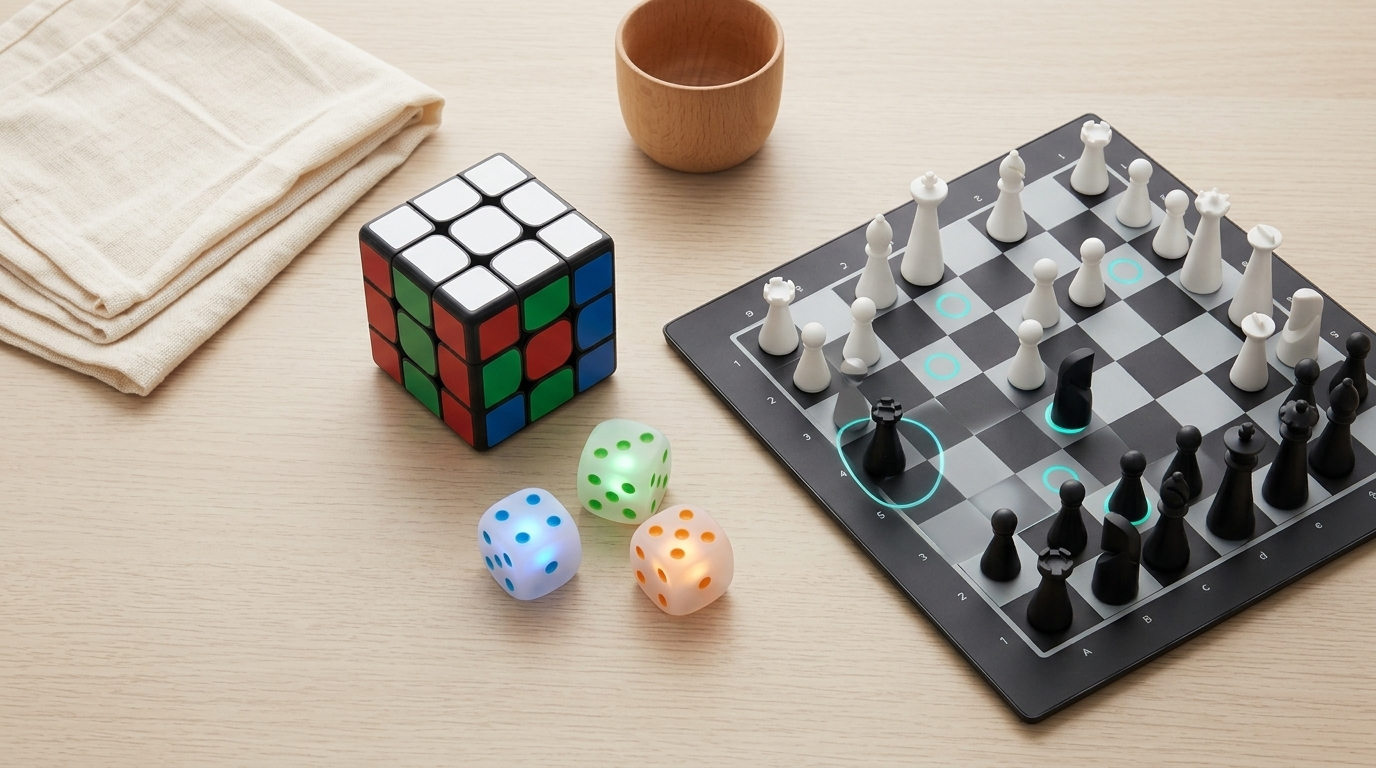
Updated July 2026. An educational gift succeeds when a child reaches for it without being reminded that it is “good for them.” This guide compares three Particula products—GoCube Edge, GoDice Full Pack, and GoChess Lite Modern—by the kind of play and feedback they invite. Particula makes all three; prices and official product details were checked on 2026-07-18.
Which educational gift is the best fit?
Choose GoCube for a child who enjoys solo puzzles and visible improvement, GoDice for a family that learns through shared tabletop play, and GoChess for a child already curious about chess. The best option follows an existing interest and creates a short activity the child can repeat.
The products share a useful principle: the physical object remains central while a digital layer records, guides, or expands play. That can make progress easier to notice without reducing every activity to a screen. The right match depends on whether the child prefers twisting a puzzle alone, rolling and laughing with other people, or concentrating across a chess board.
What can GoCube teach through play?
GoCube Edge suits a child who already likes twisty puzzles or wants a measurable solo challenge. Its connected layer can make practice and progress visible while the cube remains a physical object in the hands. As of 2026-07-18, its official sale price is $59.95.
Its strongest educational habit is iteration. A player attempts a solve, sees what happened, and tries again. That short feedback loop can support persistence and spatial problem solving without requiring a long lesson. It is a weak fit for a child who has never shown interest in cubes and does not enjoy repeated solo practice, no matter how impressive the technology looks to the giver.
Make the challenge concrete enough to finish. A child might practice one stage of a solve, compare two attempts, or try to explain a pattern aloud. Avoid turning every tracked result into a judgment. The useful signal is not that an app produced more numbers; it is that the player can see a route from the current attempt to the next one. A small improvement they recognize themselves creates more ownership than an adult assigning a longer session.
When is GoDice the better family gift?
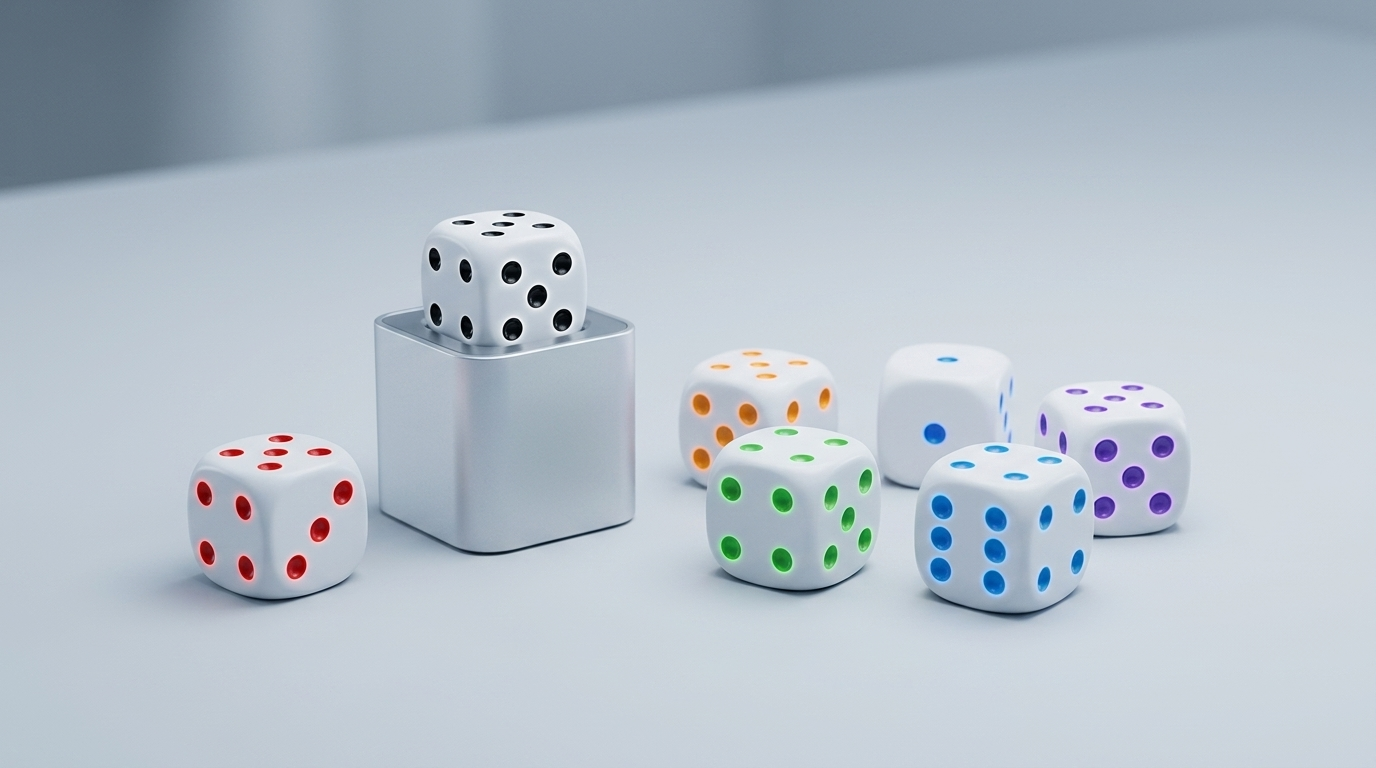
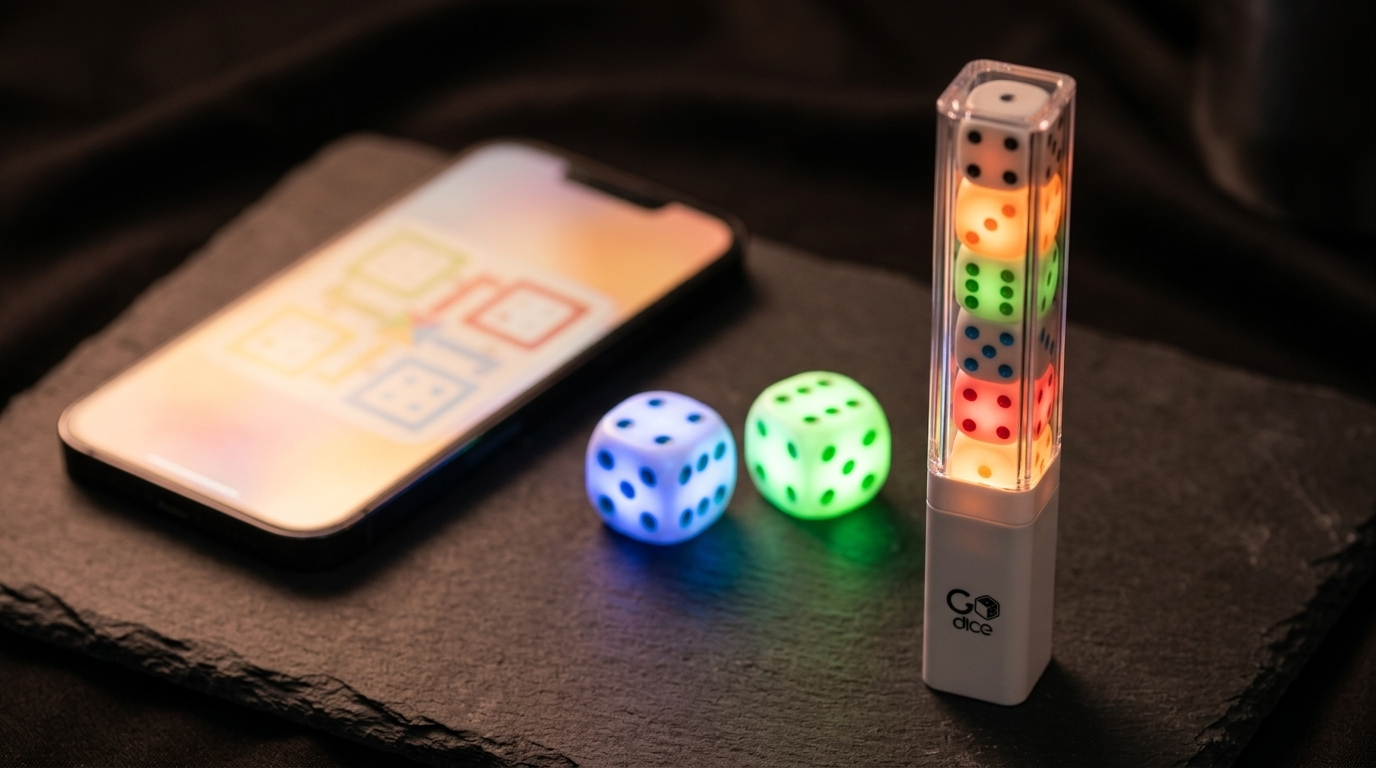
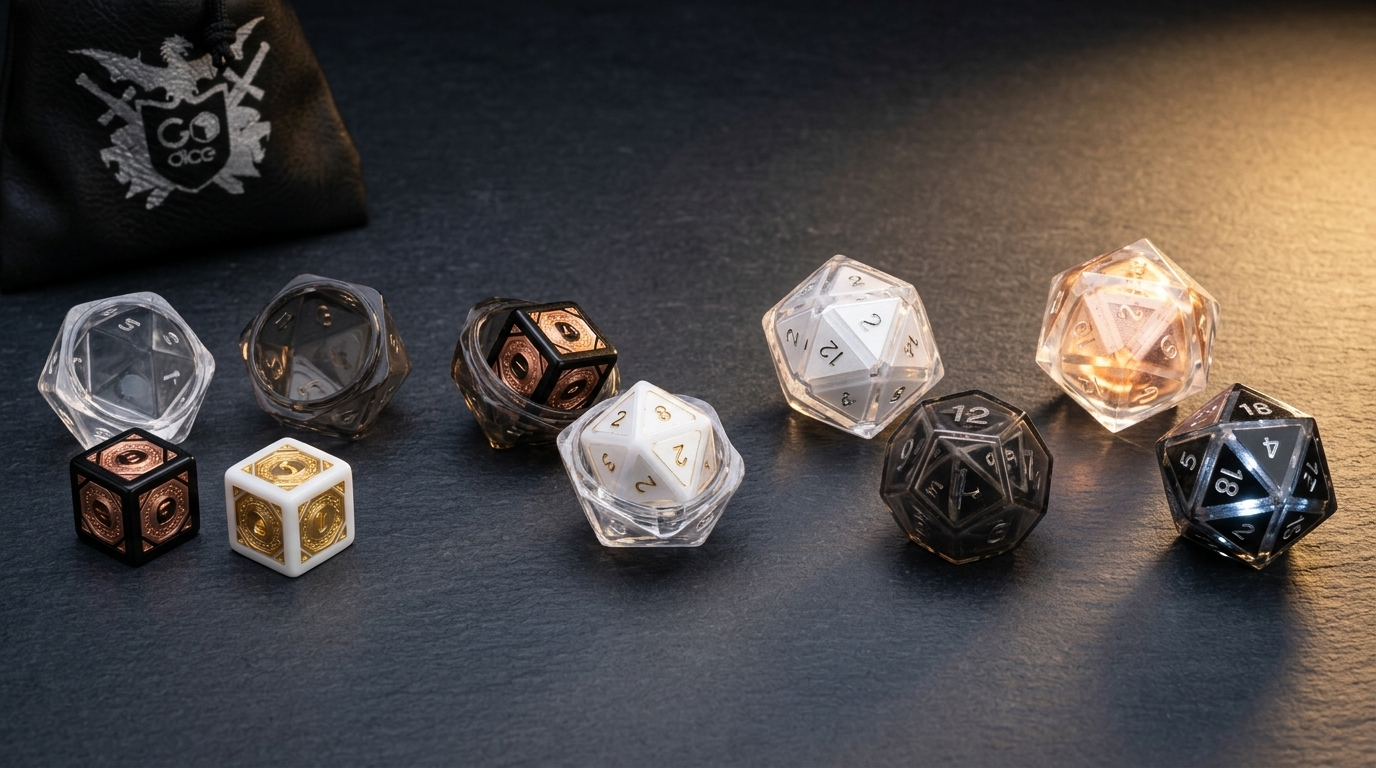
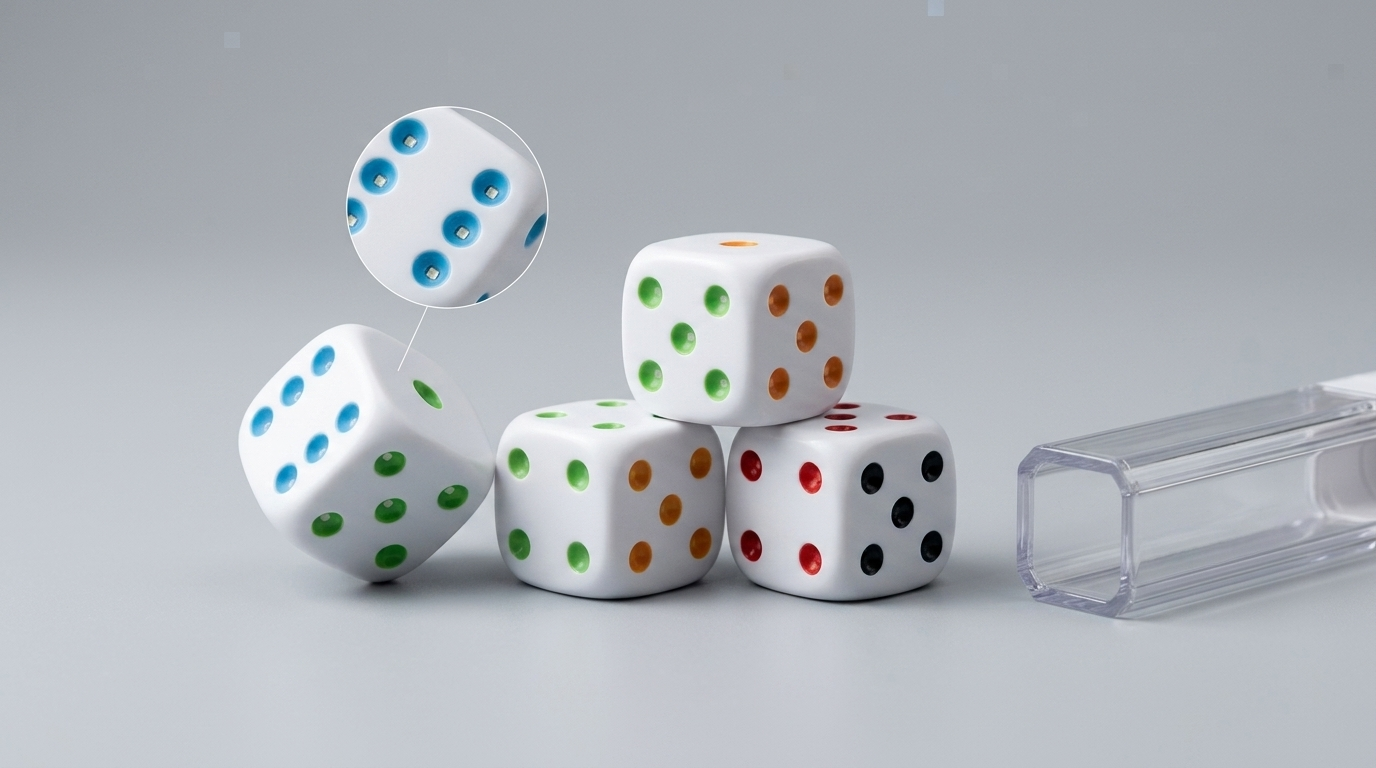
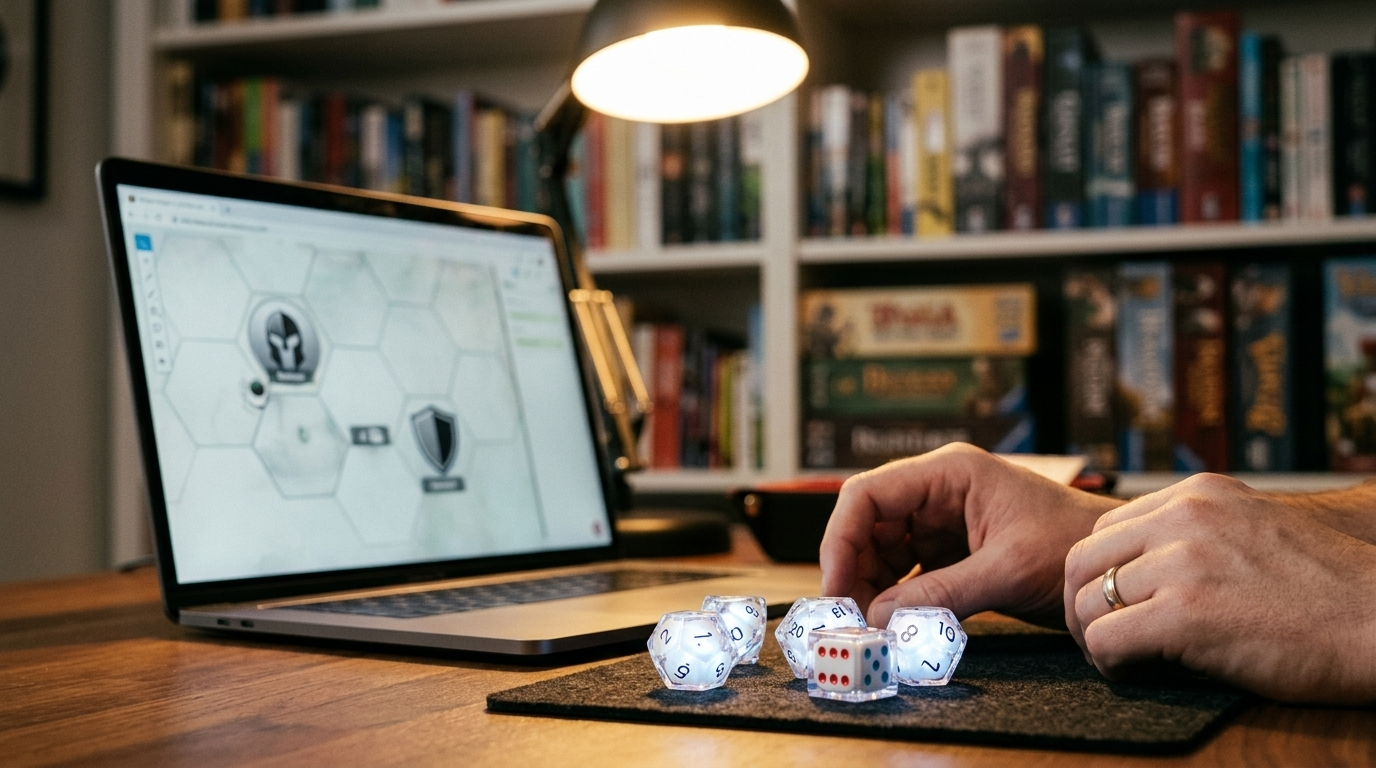
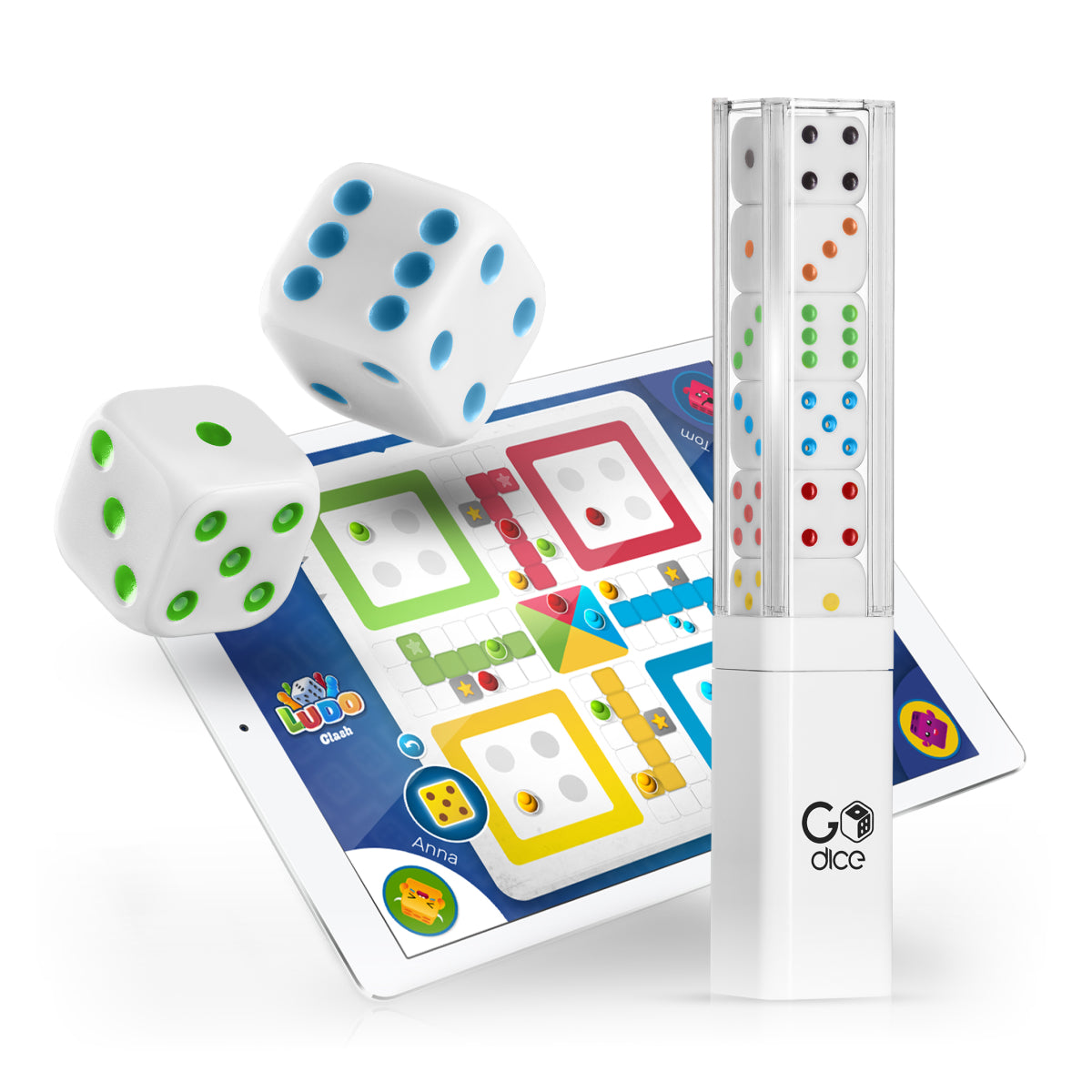
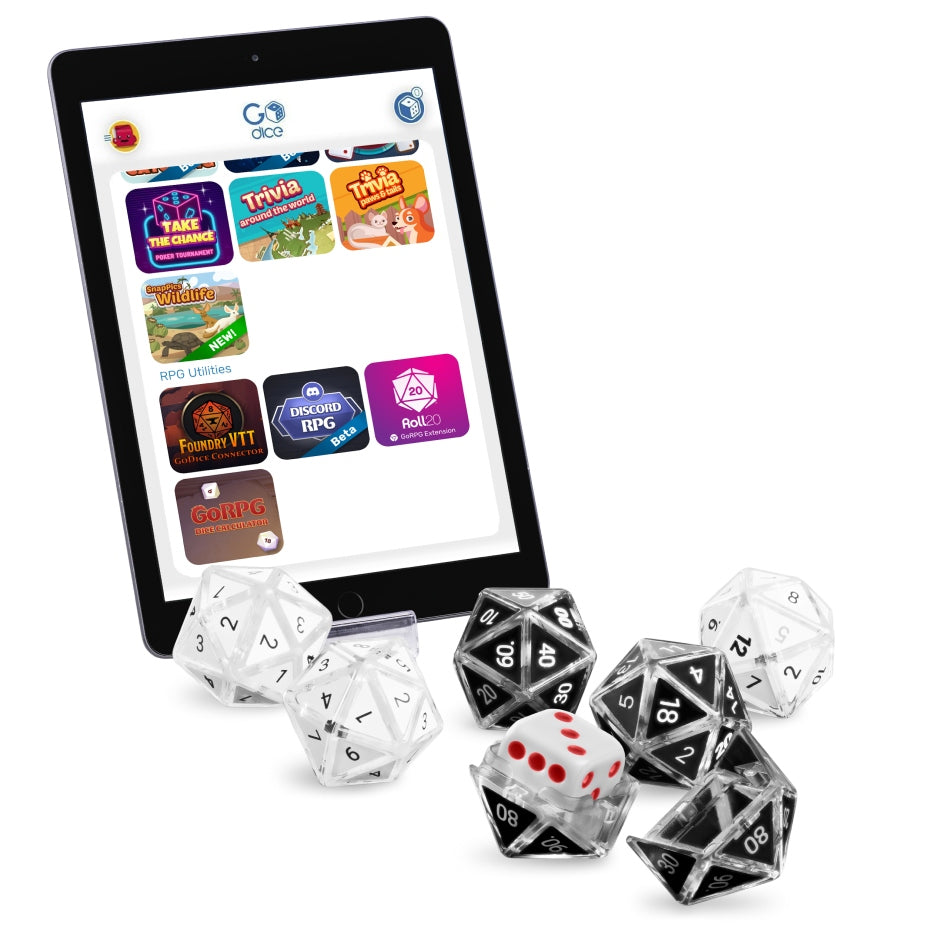
GoDice Full Pack is the strongest route when learning happens around a shared table. The connected dice can track rolls and support app games while players still handle and roll physical dice. Its official sale price was $67.95 on 2026-07-18, subject to change before ordering.
Shared play can make arithmetic, probability, turn-taking, and rule following feel like part of an evening rather than an assignment. The adult's role is to make the first game easy, not turn every roll into a quiz. Check who will join, which connected device will run the game, and whether the household actually has time for a regular table session.
GoDice can also serve children with different confidence levels because the group shares attention across the game. One player can count, another can explain a rule, and everyone can react to the same physical roll. Choose a game length the youngest or least patient participant can complete. If setup takes longer than the first round, simplify the activity. The educational benefit comes from repeated decisions and conversation, not from squeezing every possible feature into one sitting.
| Gift | Best-fit routine | Sale price checked 2026-07-18 | Purchase protection stated |
|---|---|---|---|
| GoCube Edge | Short solo puzzle practice | $59.95 | One-year warranty and 30-day money-back terms |
| GoDice Full Pack | Shared tabletop games | $67.95 | One-year warranty and 30-day money-back terms |
| GoChess Lite Modern | Guided chess practice and play | $269.95 | One-year warranty and 30-day money-back terms |
Who benefits most from GoChess Lite Modern?
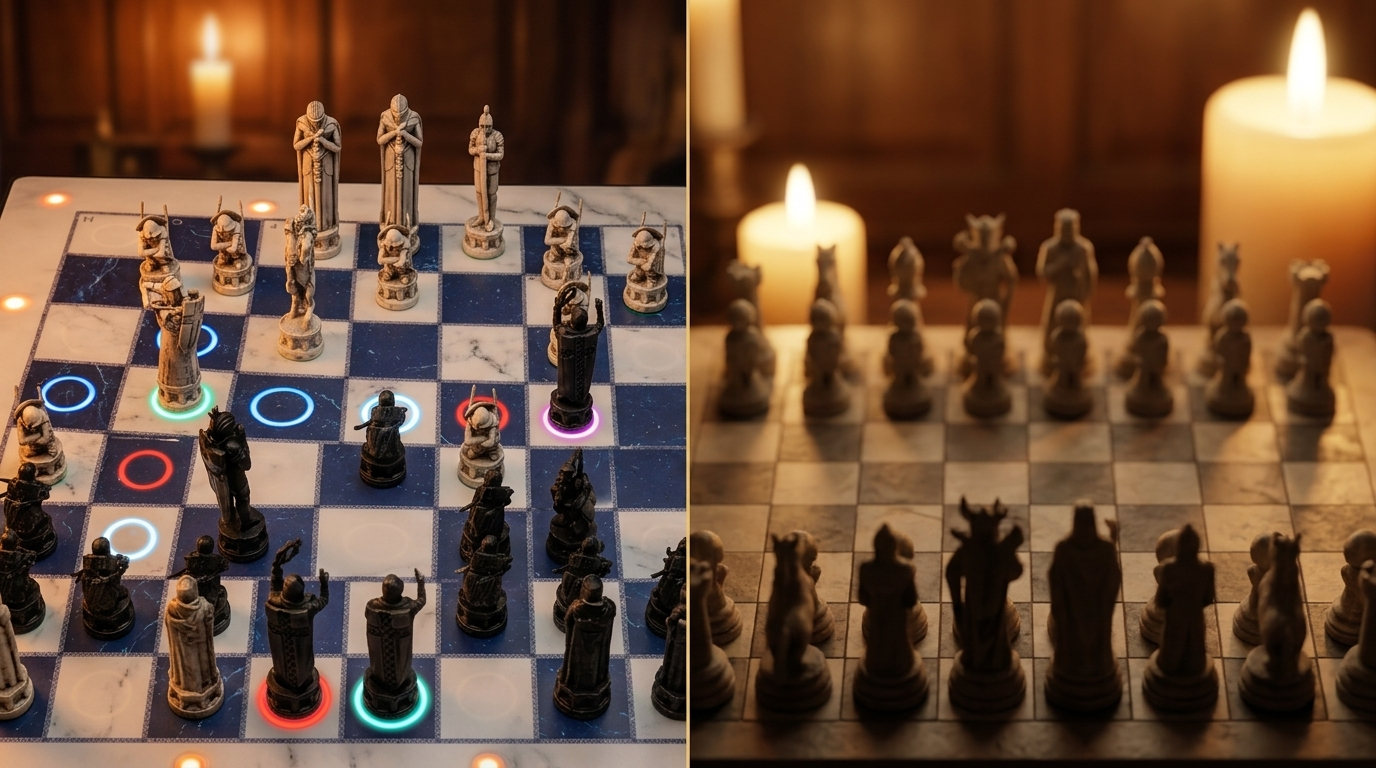
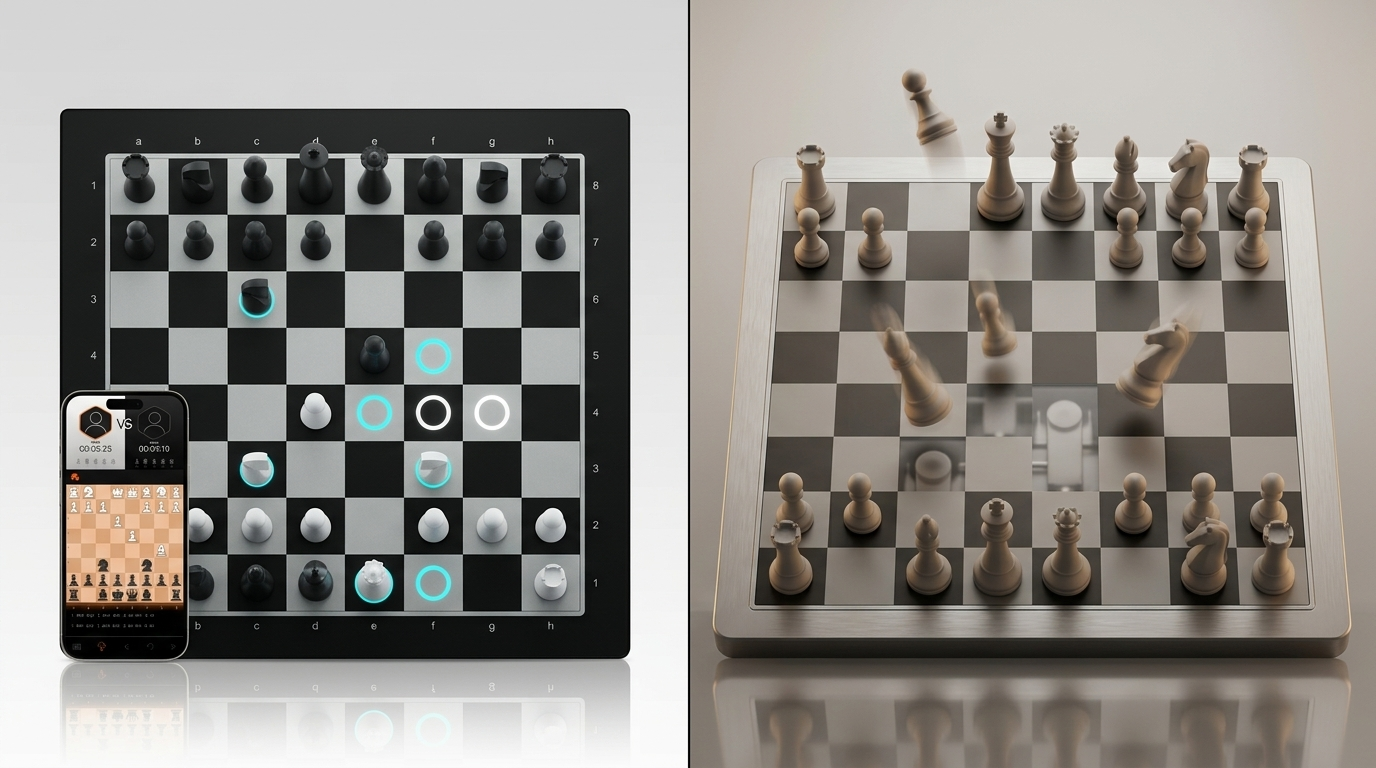
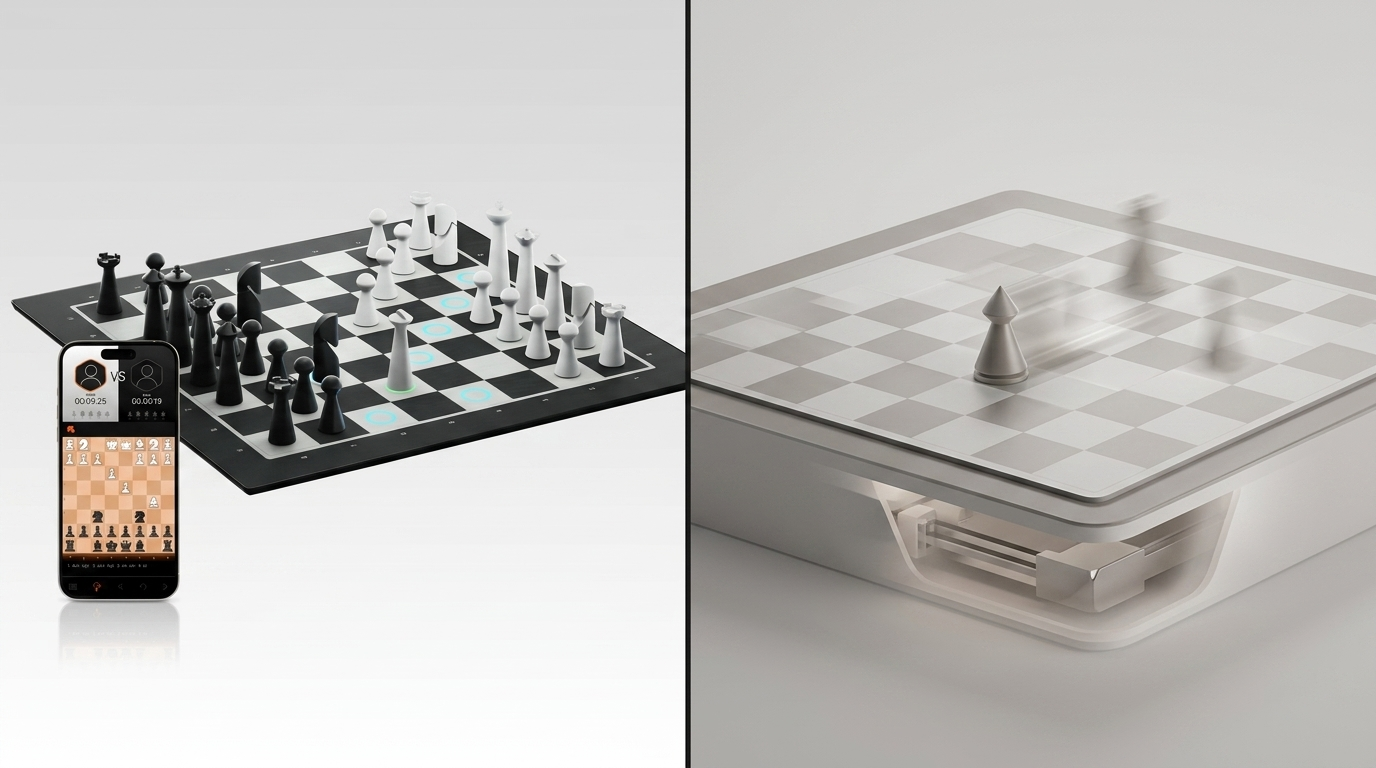
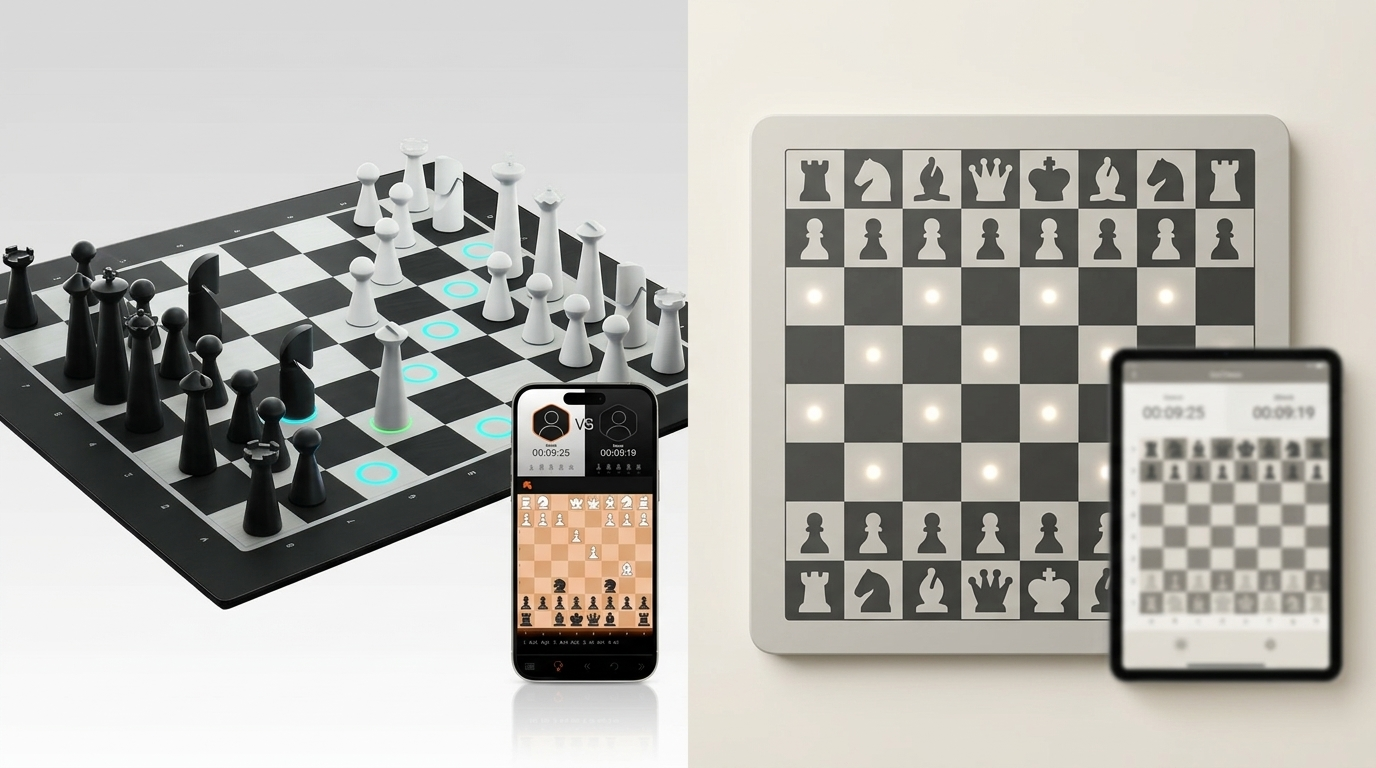
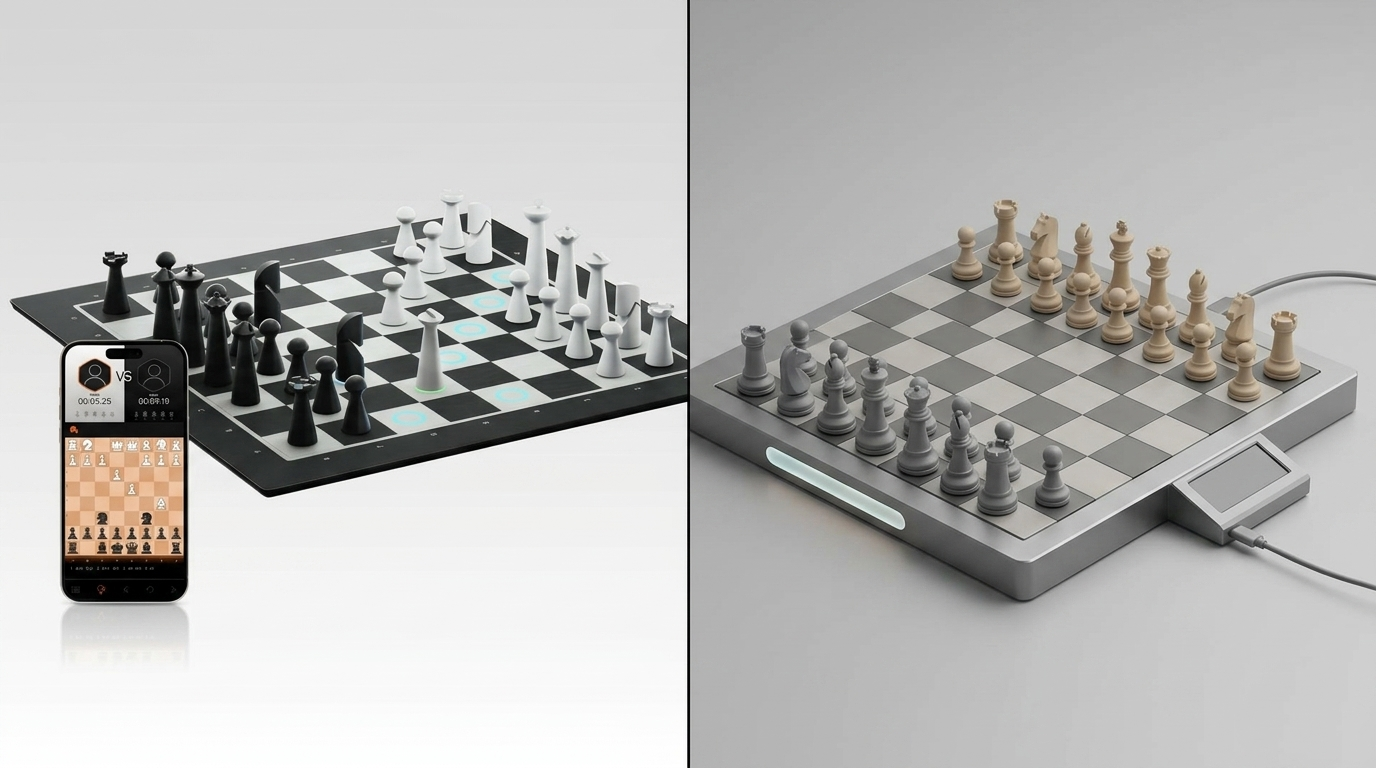
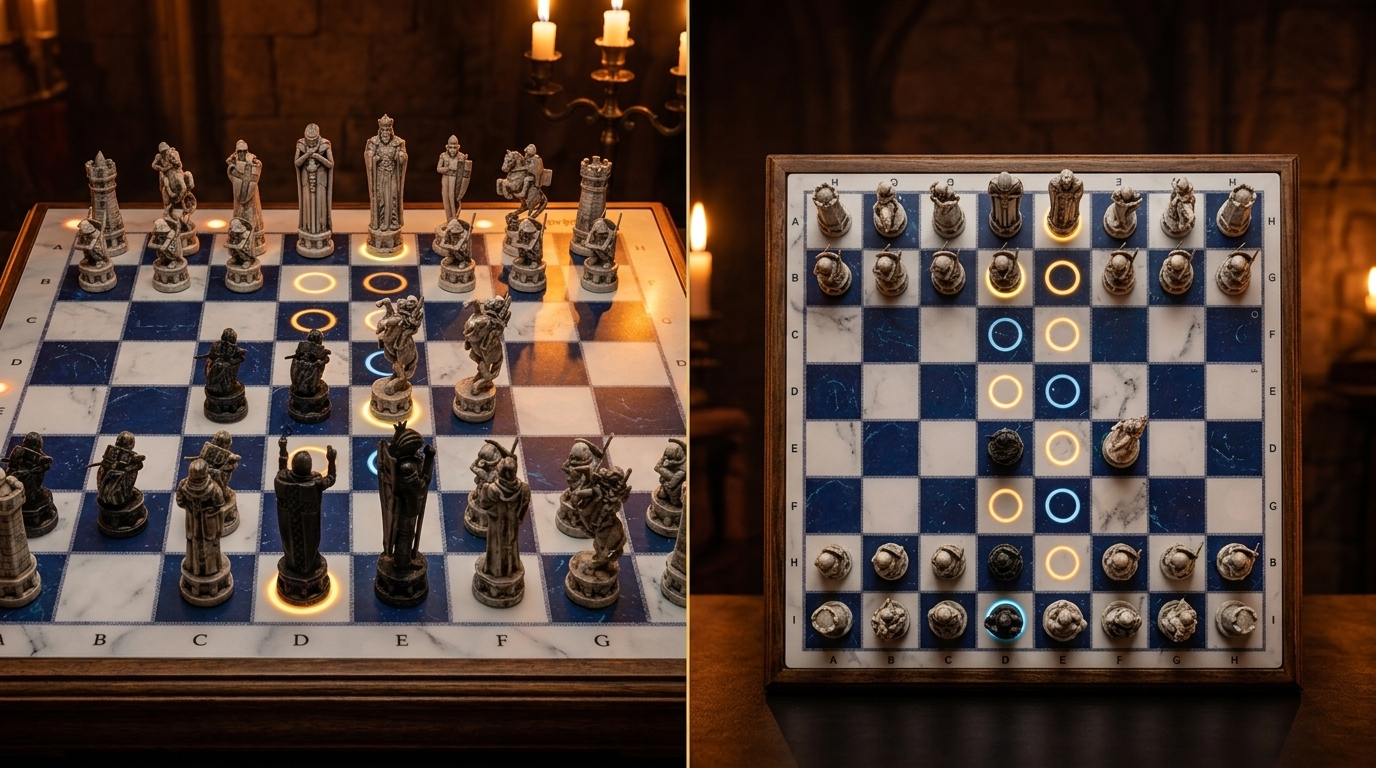
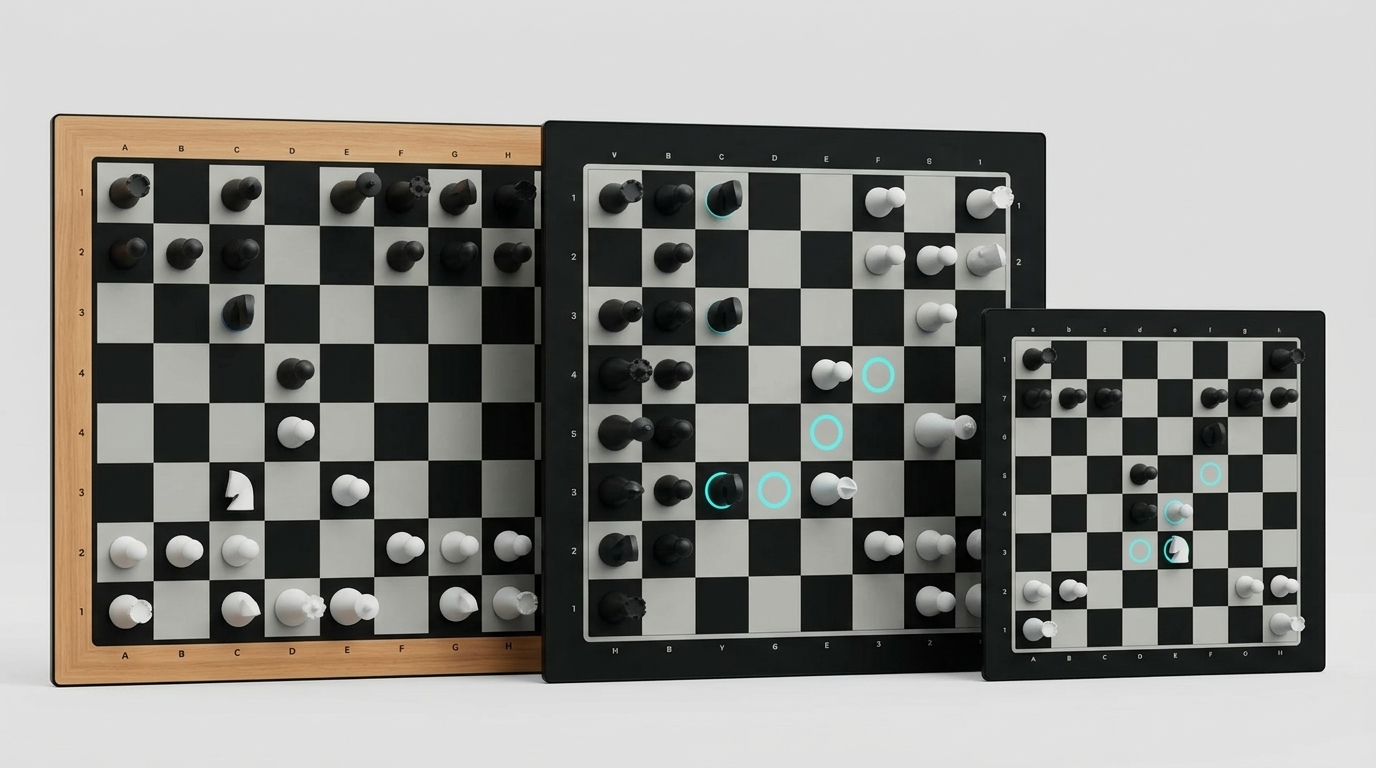
GoChess Lite Modern fits a child who wants to learn or already chooses chess. Its light-guided physical board can support move decisions, structured practice, and connected modes without replacing the pieces. As of 2026-07-18, the official sale price is $269.95, making repeat use especially important.
A child should be able to picture the first complete game and the second. Guidance is valuable when it reduces frustration and helps the player notice why a move works, not when it becomes a constant command. Because this is the most expensive option in the group, buyers should verify the exact modes and integrations that matter to the intended player on the official listing.
Chess fit depends on patience as much as skill. A child who enjoys planning, patterns, and one-on-one competition may welcome the slower rhythm. A child who prefers fast group energy may be happier with dice. If GoChess is the choice, let the lights support a manageable game and resist reviewing everything afterward. One position understood clearly is enough progress for a first session. The board should make returning feel possible, not make a beginner feel continuously evaluated.
How much should you budget for a connected learning gift?
As of 2026-07-18, the official sale prices are $59.95 for GoCube Edge, $67.95 for GoDice Full Pack, and $269.95 for GoChess Lite Modern. Recheck each live listing before ordering. Price should follow the child's likely routine, not become a substitute for fit.
Each official listing in this package states a one-year warranty and 30-day money-back or limited money-back terms. Read the current wording for the exact product, then use the return period to test the activity that justified the gift. A cheaper product unused is still poor value; an expensive board can be reasonable when it becomes reliable family or practice equipment.
When is a simpler educational gift better?
Choose a simpler book, construction set, ordinary puzzle, dice game, or chess set when the child wants fully screen-free play, lacks reliable device access, or has no interest in the featured activity. Connected feedback helps an existing routine; it should not be used to manufacture enthusiasm.
Age labels alone are not enough. Two children of the same age may have completely different patience, confidence, and social preferences. Ask what the child does during unstructured time, whether they prefer solo or group play, and how much setup the household will tolerate. An ordinary version also gives the family a useful comparison: if the digital layer does not solve a real problem, simplicity may win.
What should parents check before ordering?
Recheck current price, stock, warranty, return terms, included items, device access, charging needs, age guidance, and shipping timing on each official page. Confirm who will help with initial setup and whether the child can begin a second session without the original adult supervising every step.
Plan a modest first week. Give the cube time for one repeatable practice challenge, the dice a complete family game, or the chess board one comfortable match. Notice whether the child asks to return. That request is better evidence of educational value than a long specification list, because it shows that feedback and physical play have become a voluntary habit.
Official sources: GoCube Edge, GoDice Full Pack, and GoChess Lite Modern on Particula. These pages support the dated prices, connected-play descriptions, and purchase terms above.