


Chess isn’t just a game of kings and grandmasters—it’s an accessible, mentally stimulating, and socially engaging activity with benefits for everyone, from kids and teens to adults of all ages. Regardless of whether you’re here to sharpen your mind, de-stress, or just get better at brain games, playing chess can be your game-changer. Let’s just dive into the myriad ways chess benefits us, followed by a glimpse of how GoChess can be your ultimate tool in mastering the game.
What Are the Benefits of Playing Chess?
Chess is far more than just a game; it’s a workout for the mind, a boost for emotional health, and even a tool for personal growth. The benefits of playing chess extend well beyond the board, touching on various aspects of life and development.
From improving memory and strategic thinking to promoting emotional resilience and patience, chess has a transformative impact that appeals to all ages and backgrounds. It’s a unique blend of cognitive, emotional, social, and educational advantages that not only help players sharpen their minds but also build important life skills.
Cognitive Benefits of Chess
1. Improves Memory and Recall
Chess is like a memory gym—players are constantly recalling previous games, strategies, and moves, and each game session trains the brain to retain more information. This improvement in memory doesn’t just apply to remembering moves or positions on the board; it transfers to other areas of life. Studies show that chess players often perform better on memory-based tasks because they strengthen both short-term and long-term memory through consistent play. For students, improved memory helps with studying and recalling details in exams. In professional settings, enhanced memory allows individuals to remember clients, manage complex projects, or recall intricate processes.
In fact, the memorization skills cultivated through chess may help ward off age-related memory decline. Regular brain exercise, like that from chess, can keep the mind agile and fend off conditions like dementia and Alzheimer’s. By remembering complex patterns, rules, and strategies, players can increase their mental resilience, making chess a valuable hobby that supports long-term cognitive health.
2. Enhances Problem-Solving Skills
At its core, every chess game is an intense problem-solving session. Each move requires players to assess multiple possible outcomes and counter-moves, teaching them to think critically and anticipate challenges. These skills have profound applications in the real world. For example, solving daily problems or making decisions at work often requires examining multiple options, weighing potential consequences, and choosing the best course of action. Chess players learn to stay calm and rational, breaking down a problem into manageable steps and working through it systematically.
In children, these skills are even more valuable because they can set the foundation for lifelong critical thinking and analytical abilities. And in adults, these honed problem-solving skills can improve performance across various domains, from academics to strategic decision-making in careers. Research indicates that players who practice chess regularly are often more adept at analyzing situations, even in unfamiliar contexts, and devising creative solutions.
3. Boosts IQ and Cognitive Abilities
Chess doesn’t just make you sharper—it can make you smarter. Studies indicate that chess players tend to score higher on IQ tests than non-players. Chess stimulates both hemispheres of the brain, using the left hemisphere for logical thinking and the right for creativity. This “whole-brain” exercise improves cognitive abilities, enhancing skills that range from spatial reasoning to abstract thinking. And it’s not only IQ that gets a boost—chess has also been linked to improved memory retention, processing speed, and adaptability, skills crucial for success in academic and professional pursuits.
For young minds, the benefits are even more profound: children who play chess demonstrate greater cognitive development in school subjects like math and science. The improvement doesn’t stop with academic achievement; these cognitive boosts also prepare young players for higher-level problem-solving, helping them build a solid foundation for lifelong learning.
4. Increases Attention and Focus
Chess is a game that demands focus, as even a slight lapse can lead to a misstep. Regular practice in focusing on the game helps players strengthen their attention span, an essential skill in today’s fast-paced, distraction-filled world. For children, this improvement can mean better behavior in classrooms and enhanced learning outcomes. For adults, maintaining this level of focus can improve productivity at work, leading to better performance and reduced errors.
Moreover, the discipline to stay focused extends beyond the board, training individuals to apply concentration skills to daily life. Studies show that people who regularly play chess have enhanced executive functioning, allowing them to focus on tasks even when surrounded by distractions. This heightened ability to concentrate can significantly boost productivity and improve the quality of work and personal interactions.
5. Enhances Pattern Recognition and Spatial Awareness
Chess teaches players to recognize patterns in the positions of pieces and anticipate potential threats and opportunities. This pattern recognition is essential not only to chess but to disciplines like math, science, and technology, where identifying patterns is key to problem-solving. By developing spatial awareness, chess players learn to “see” multiple moves ahead, enhancing their ability to visualize potential outcomes. This skill is crucial for tasks requiring spatial understanding, such as engineering, architecture, and design.
In addition to spatial awareness, chess also builds mental agility by forcing players to shift between offensive and defensive strategies. This mental adaptability can be incredibly useful in fields that require flexibility and quick thinking. For students, spatial awareness aids in geometry and other math-related subjects, while adults might find it beneficial in navigating complex spaces or creating designs.
Mental and Emotional Benefits of Chess
6. Reduces Stress and Anxiety
The immersive nature of chess helps players focus solely on the board, creating a break from daily stresses. Even casual games can help reduce anxiety by providing a structured environment to channel your thoughts. It’s also been shown to boost mood and even increase serotonin levels, bringing a sense of calm.
7. Teaches Patience and Perseverance
Chess isn’t a game of instant gratification; victories are earned through patience, strategy, and long-term thinking. Learning to delay immediate rewards for a more substantial payoff is valuable in life and can foster perseverance in challenging situations. This lesson is especially helpful for children, instilling a sense of resilience that can be applied to school, sports, and social interactions.
8. Boosts Self-Esteem and Confidence
Successfully navigating a chess game, especially with skilled opponents, builds self-confidence and self-esteem. Each win, strategy mastered, and personal milestone reached serves as a reminder of one’s growth, capability, and intelligence. This confidence boost often spills over into other areas, helping people take on challenges with a positive outlook.
9. Fosters Emotional Intelligence
Chess encourages players to be aware of their emotions, especially during tense games. By learning to manage frustration and stay calm under pressure, players develop a higher level of emotional control. This emotional intelligence can improve interpersonal relationships, teaching us how to respond to setbacks and empathize with others.
Creative and Social Benefits of Chess
10. Encourages Creativity and Innovation
Chess isn’t all about logic—creative tactics can be game-changers. Thinking outside the box in chess, like surprising an opponent with an unconventional move, fuels creativity. This imaginative problem-solving extends to artistic pursuits, innovative work ideas, and out-of-the-box thinking in general, fostering a mindset that’s always ready for creative challenges.
11. Builds Social Connections and Friendships
Chess can be a fantastic social tool. Whether playing online or in person, the game brings people together across all ages and backgrounds. Clubs, tournaments, and casual matches create opportunities for bonding, friendship, and even cross-cultural understanding. It’s a perfect way for shy or introverted individuals to connect with others who share similar interests.
12. Teaches Sportsmanship and Respect for Others
Chess teaches respect and humility, as players regularly confront defeat and learn from each game. The nature of the game cultivates sportsmanship and a deep appreciation for opponents’ skills, teaching us how to handle both victory and loss gracefully. This value of respect for others is invaluable in our personal and professional lives.
13. Sharpens Intuition and Gut Feelings
Chess trains players to trust their intuition. With practice, players learn to make instinctive, swift moves based on gut feelings, honing intuition. This ability to trust your instincts can be beneficial in life, allowing for quick, confident decision-making in fast-paced environments.
14. Promotes Teamwork and Collaboration Skills
Though chess is often a one-on-one game, it also has a collaborative side, especially when analyzed in teams or played in doubles formats. Working with others to study games, share insights, and explore strategies fosters teamwork and mutual learning. This collaborative aspect of chess nurtures communication skills and a team-oriented mindset that can be invaluable in group projects, professional settings, and community activities.
15. Encourages Patience and Long-Term Thinking
Chess is all about planning and thinking several moves ahead. Developing this skill teaches players to approach challenges with patience and a long-term view. Learning to hold off on impulsive moves for a more strategic outcome fosters an ability to delay gratification, a skill that proves useful in career planning, financial decisions, and personal goals alike.

Educational and Professional Benefits of Chess
16. Improves Academic Performance
Many schools have incorporated chess programs as it has been shown to enhance academic performance. The logical thinking, memory retention, and focus acquired from chess translate to better grades, especially in math and science. Kids who play chess regularly also tend to have improved reading comprehension and attention to detail, both critical for academic success.
17. Boosts Planning and Strategic Thinking Skills
Chess players develop the ability to think strategically and plan moves ahead. This long-term thinking is essential not only on the board but also in academic and career pursuits, where strategic planning and goal-setting are key. Professionals in business, law, and engineering, for instance, often attribute their success to the critical thinking skills they developed through chess.
18. Increases Adaptability and Flexibility
Every chess game is different, requiring players to adapt quickly to new situations. This flexibility in thinking is an asset in the real world, where changing circumstances and unexpected challenges are the norm. Players develop a growth mindset, seeing setbacks as learning opportunities rather than obstacles, which is highly beneficial in fast-paced careers and life changes.
19. Enhances Problem-Solving Abilities
Chess requires players to constantly analyze, reassess, and resolve complex situations, enhancing their problem-solving skills. This ability to break down challenges into smaller, manageable parts can be incredibly useful in academics and the workplace, especially in fields that require logical reasoning and quick thinking, like IT, finance, and medicine.
20. Supports Career Growth and Decision-Making
Chess players become adept at evaluating risks and making informed choices under pressure, skills that are invaluable in career growth. Chess teaches players to weigh options, assess consequences, and make calculated decisions, which directly translates to making better business choices, managing projects, and even navigating office dynamics with a level-headed approach.
GoChess: Your Next Step in Mastering the Game
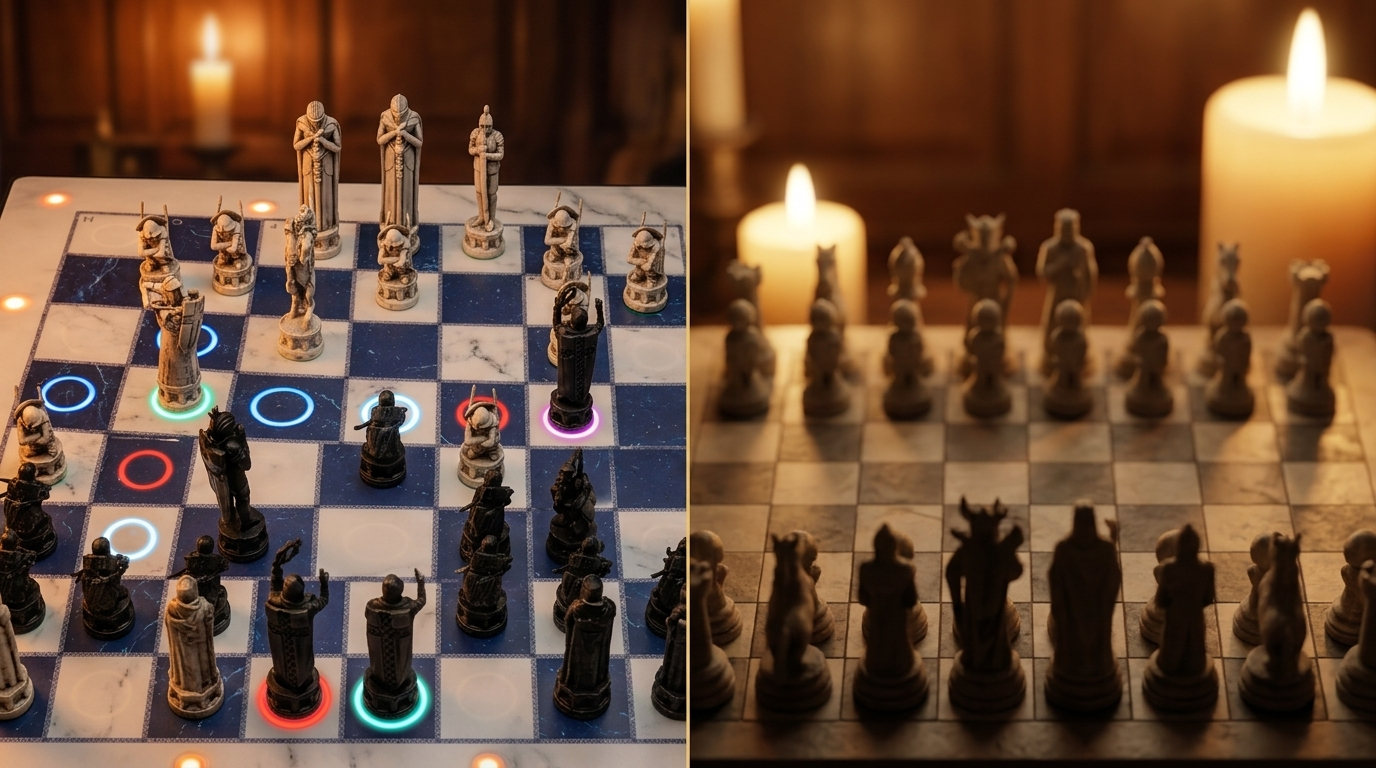
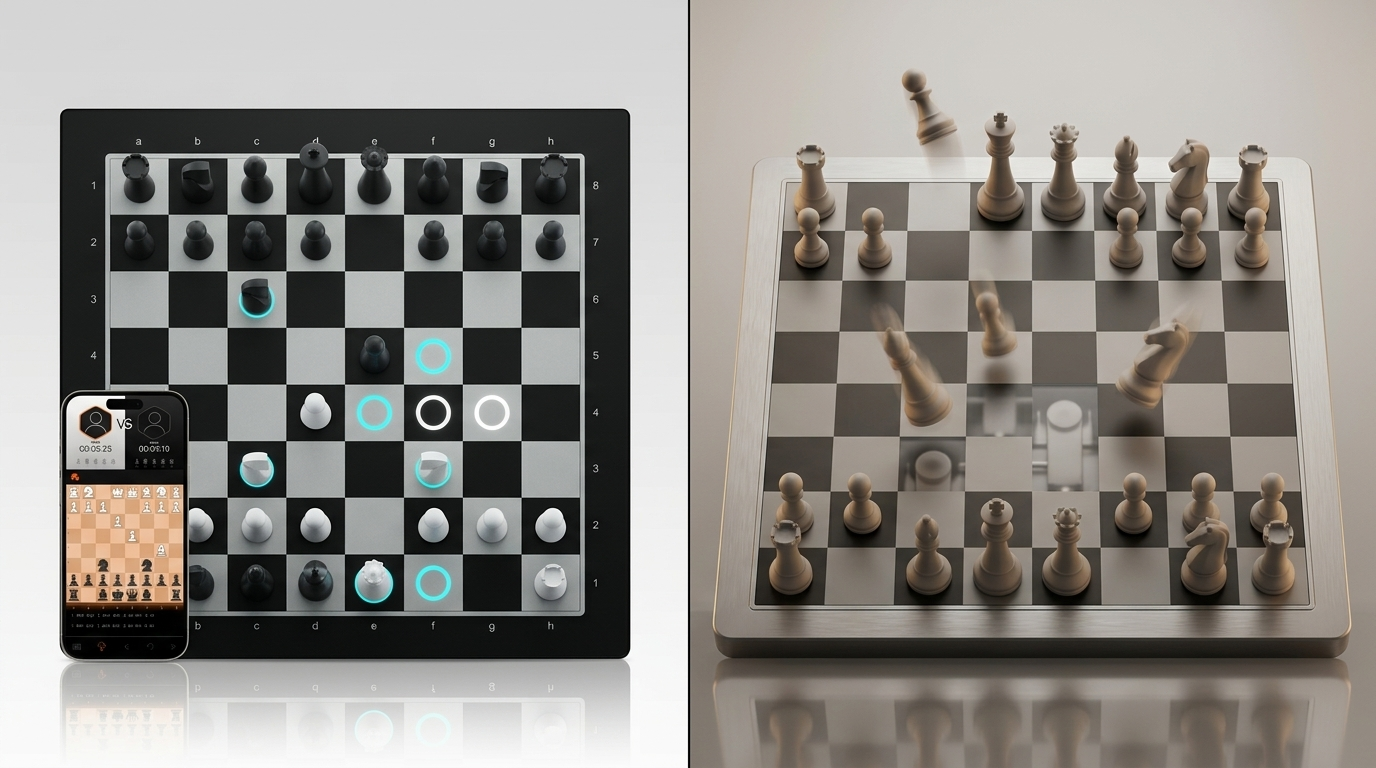
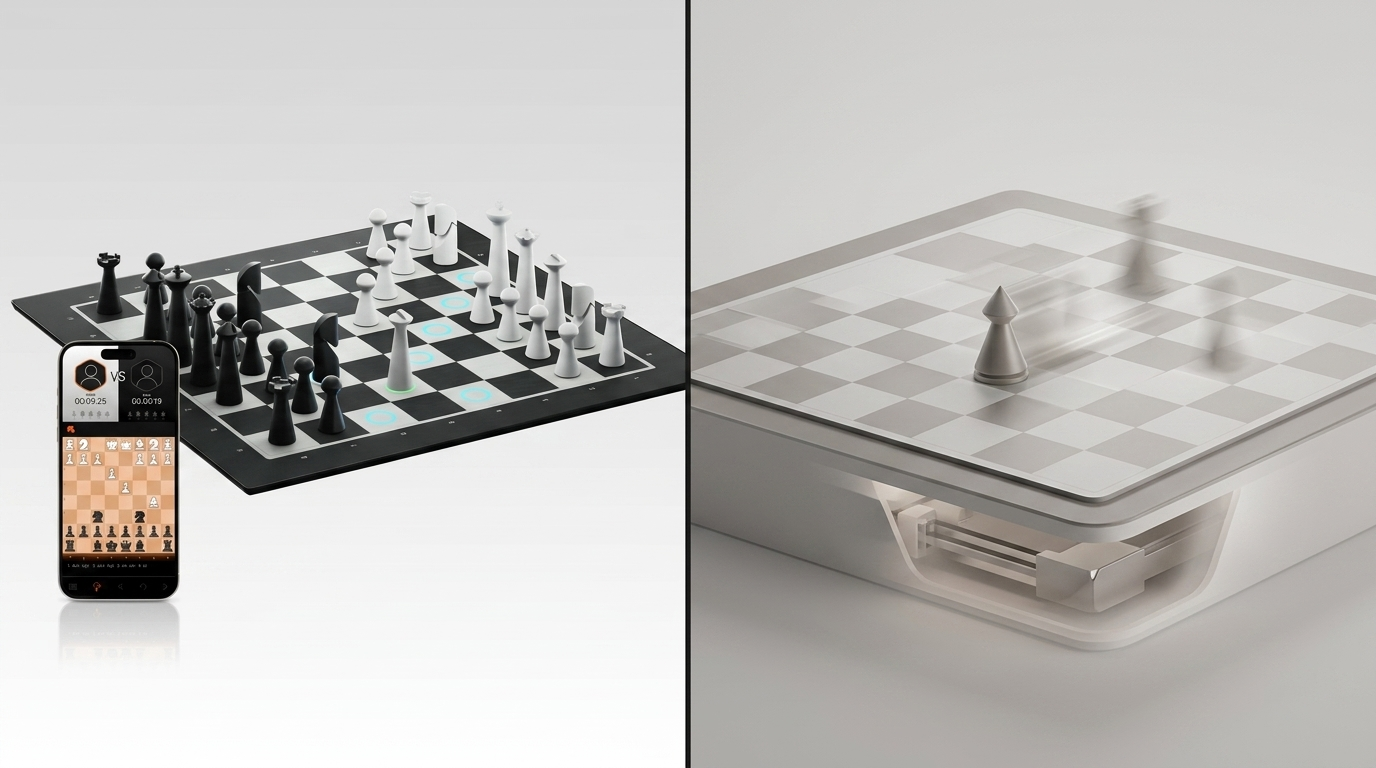
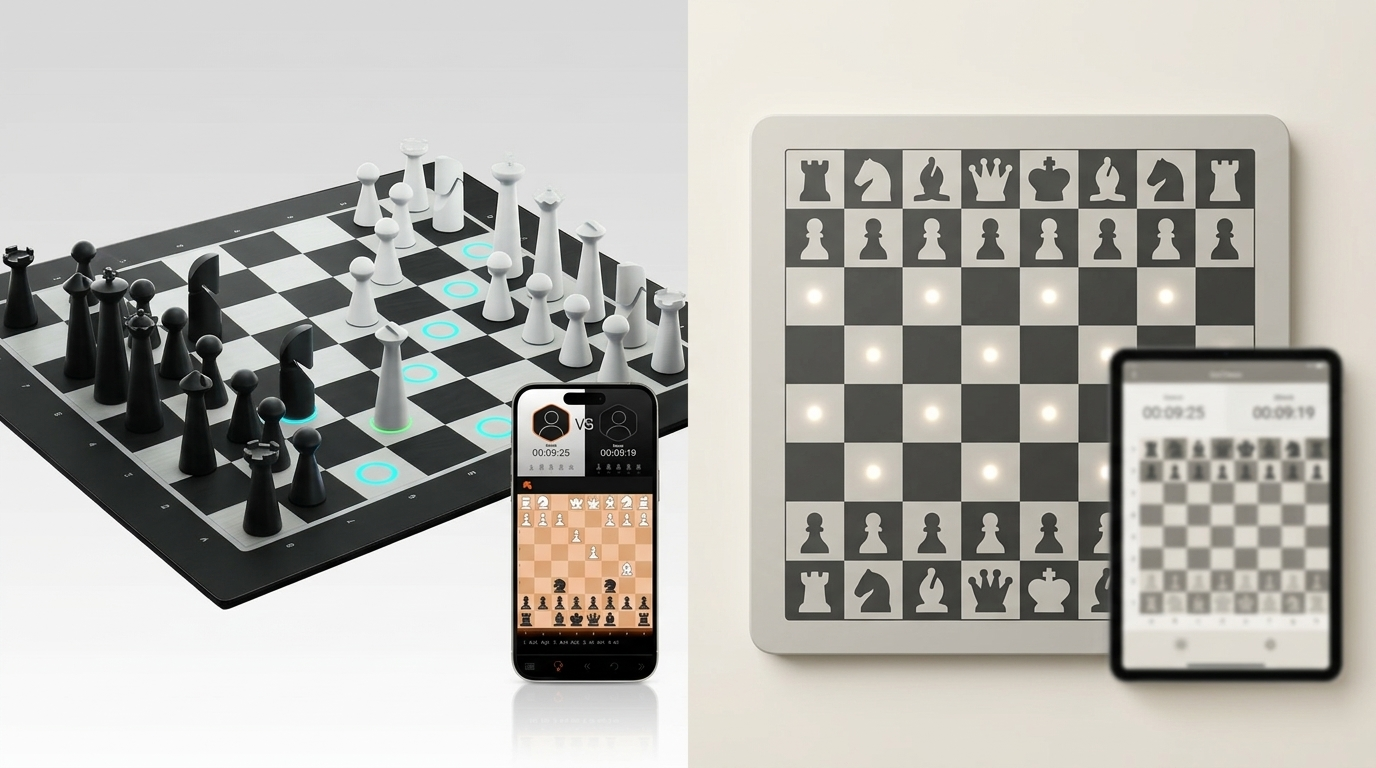
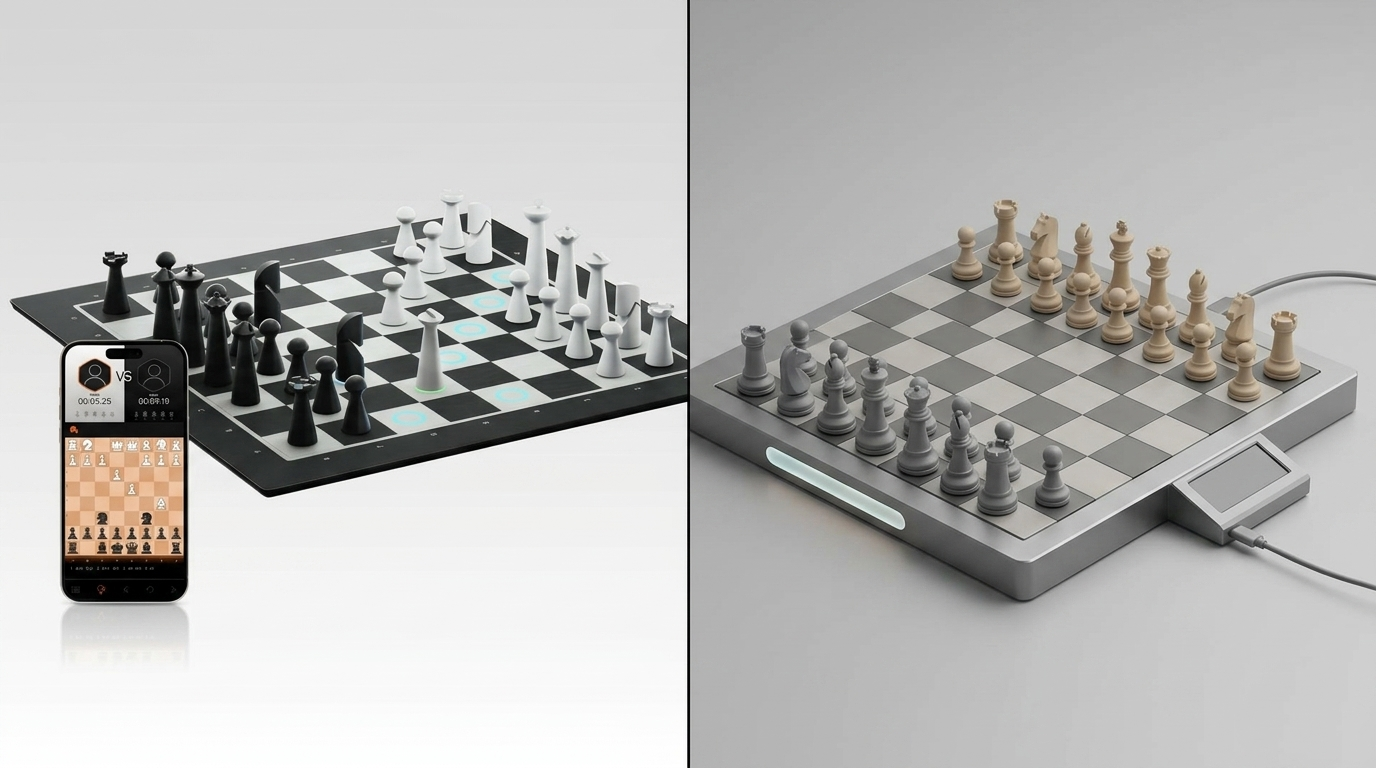
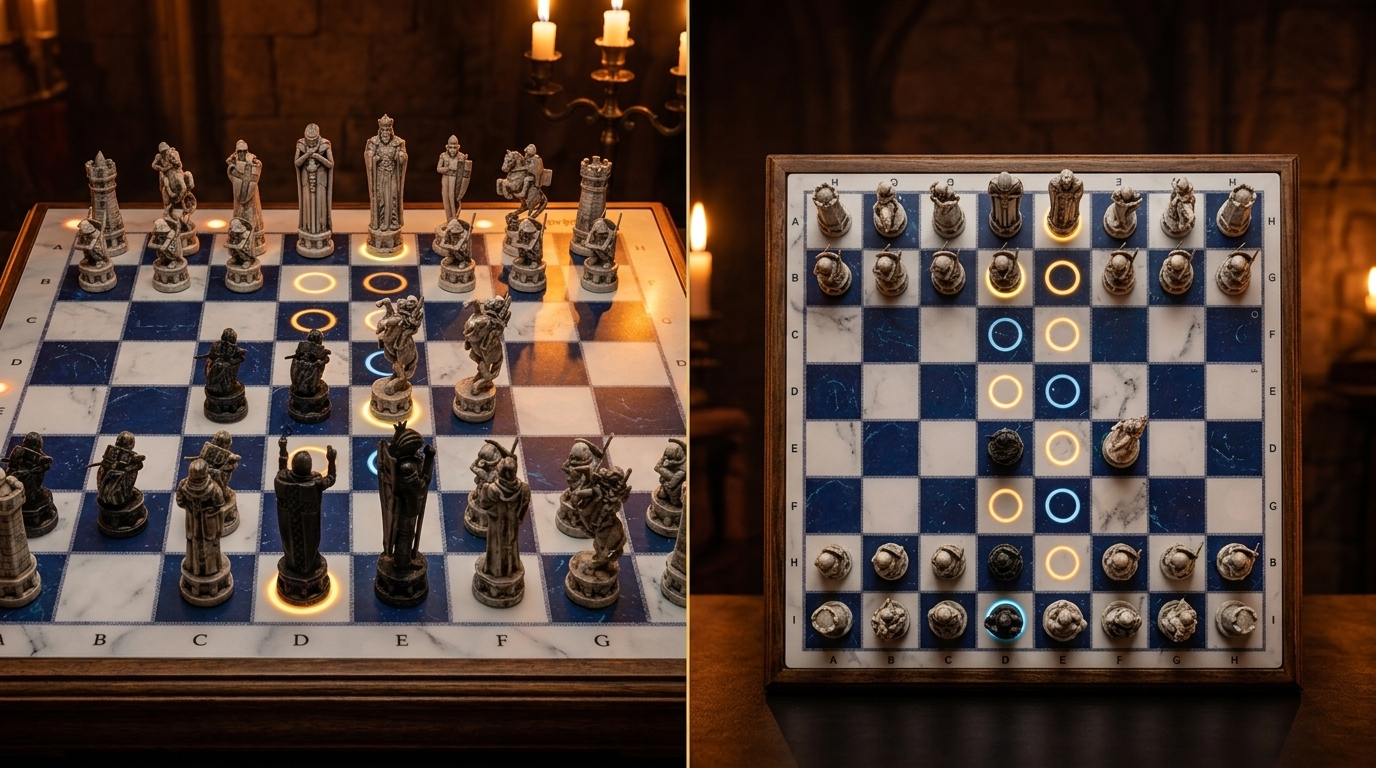
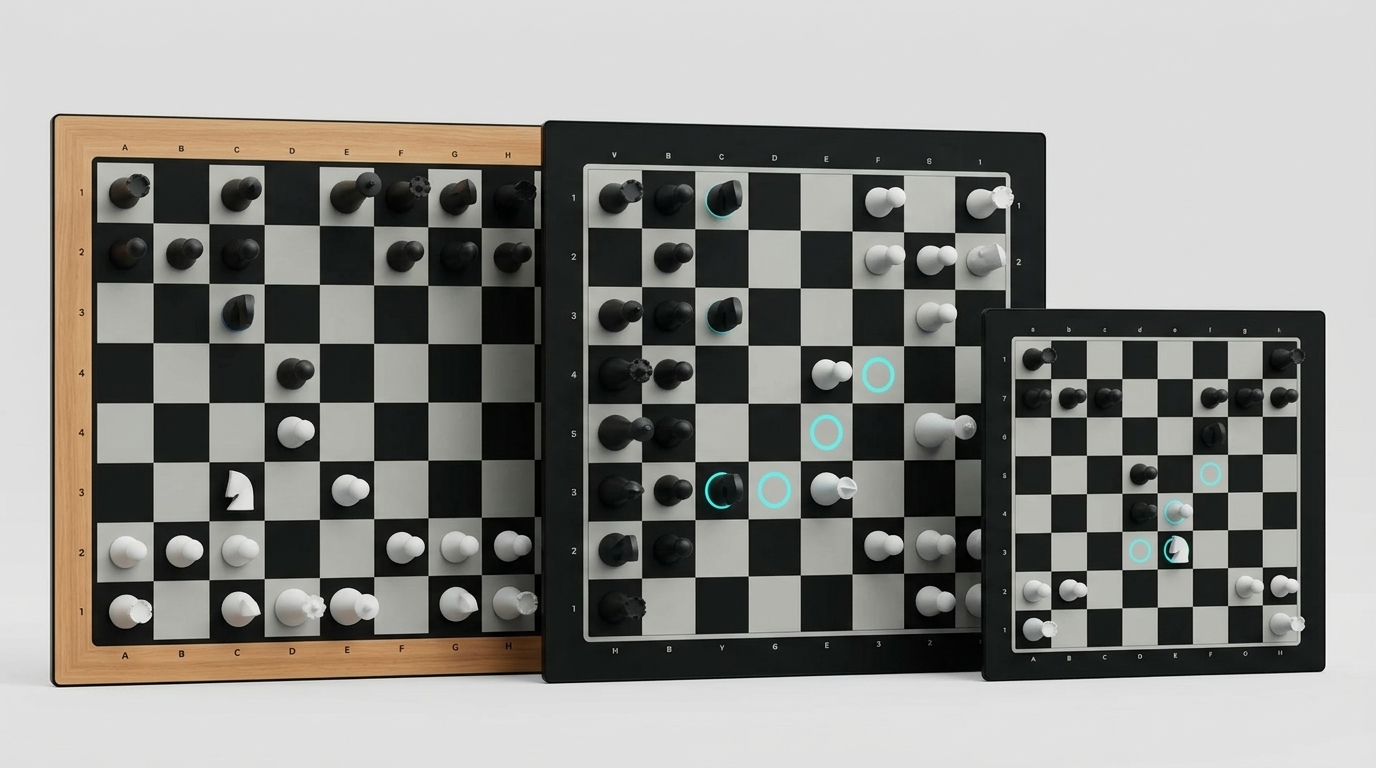
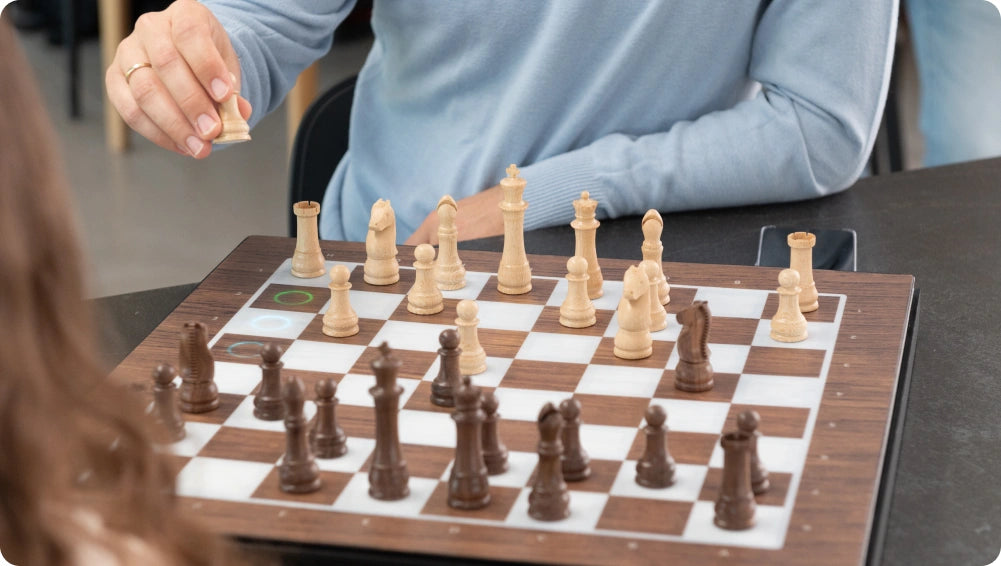
GoChess merges the timeless game of chess with advanced AI features, making it ideal for players of all levels. With interactive tutorials and real-time feedback, GoChess is like having a personal chess coach guiding you through every move. The smart chessboard even lights up to suggest moves, a handy option for beginners or anyone seeking a little nudge; don’t worry, the lights can be turned off if you prefer a challenge!
 GoChess lets you play against a smart AI (spoiler: it doesn’t go easy on you!) for a face-to-face showdown. Additionally, you can challenge players through the GoChess app or connect with others on major platforms like Lichess and, most importantly, Chess.com.
For those eager to improve, GoChess’s AI-driven analysis is invaluable. Each game includes post-match insights that help you see what worked, what didn’t, and how to improve. You can save games, track your stats, and replay key moments to spot patterns and strengthen strategies—ideal for players who love breaking down games for continuous improvement.
The beauty of GoChess is that it combines the feel of a classic chessboard with the convenience of modern tech. It retains the tactile experience of moving pieces but with the smart functionality of sensors and lighting. Whether you’re playing for fun or aiming to improve your game, GoChess offers a smart, engaging way to dive deeper into the world of chess.
Conclusion
The benefits of playing chess span across cognitive, emotional, social, and professional domains, proving that it’s more than just a game. Whether you’re a teen looking for a fun hobby, a parent introducing your child to a brain-boosting activity, or an adult seeking mental stimulation, chess has something for everyone. Plus, with GoChess by your side, your journey in mastering this timeless game will be both enriching and exciting.