

Dice games have been a staple of entertainment for centuries, captivating players with their blend of luck, strategy, and excitement. Whether you're rolling dice for fun or engaging in competitive play, understanding the fundamentals is crucial.
This guide will take you through the basics of how to play dice, introduce you to three simple dice games for beginners, and explore the tools and apps that can enhance your dice-playing experience.
Table of Contents
- The Basics of Dice
- 3 Simple Dice Games for Beginners
- Dice Rolling Made Fun with the Go Dice App
- Supplies and Accessories for Dice Games
- Conclusion
The Basics of Dice
Dice games have a rich history and are beloved for their simplicity and the element of chance they bring to gaming. Whether you're new to playing dice or looking to refine your skills, understanding the basics is essential. This section covers the fundamentals, including the faces and values of dice, common terminology, and effective rolling techniques.
Understanding Die Faces and Their Values
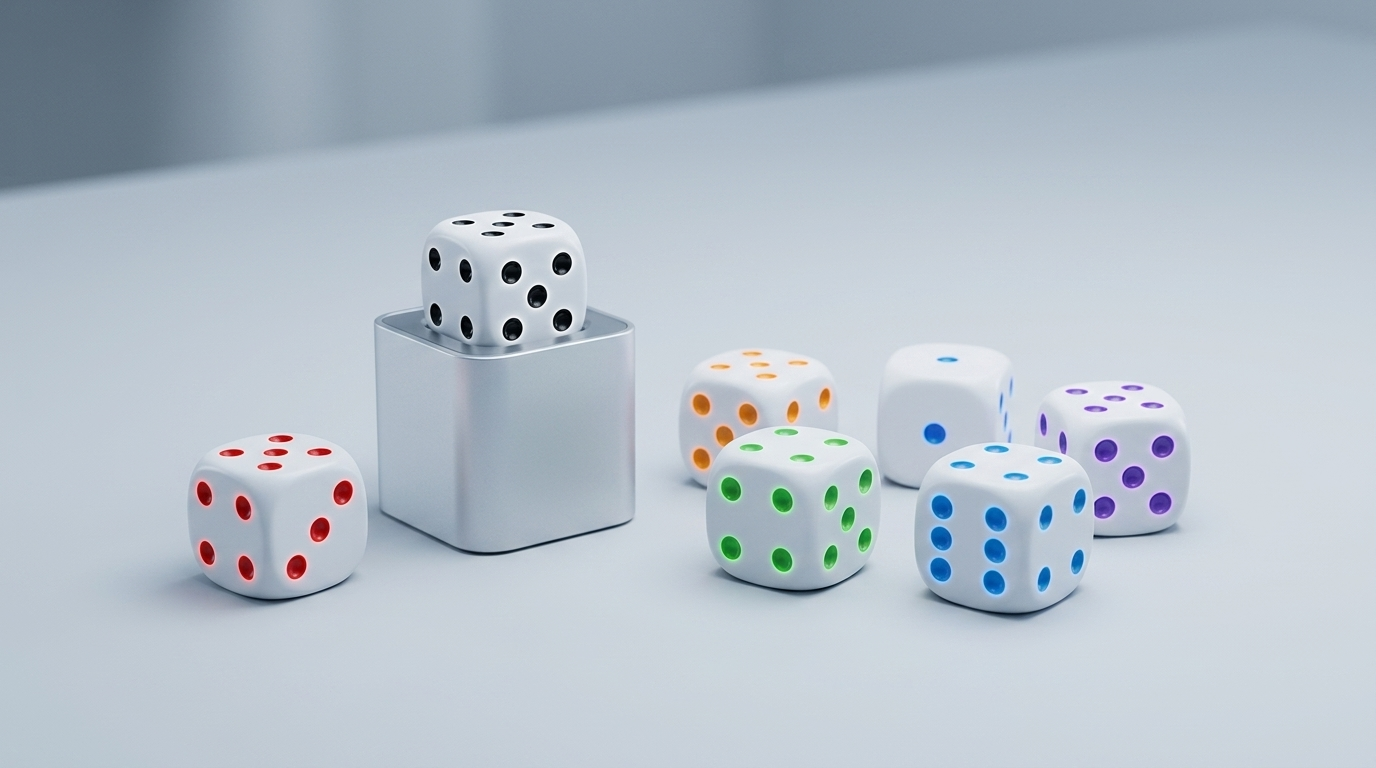
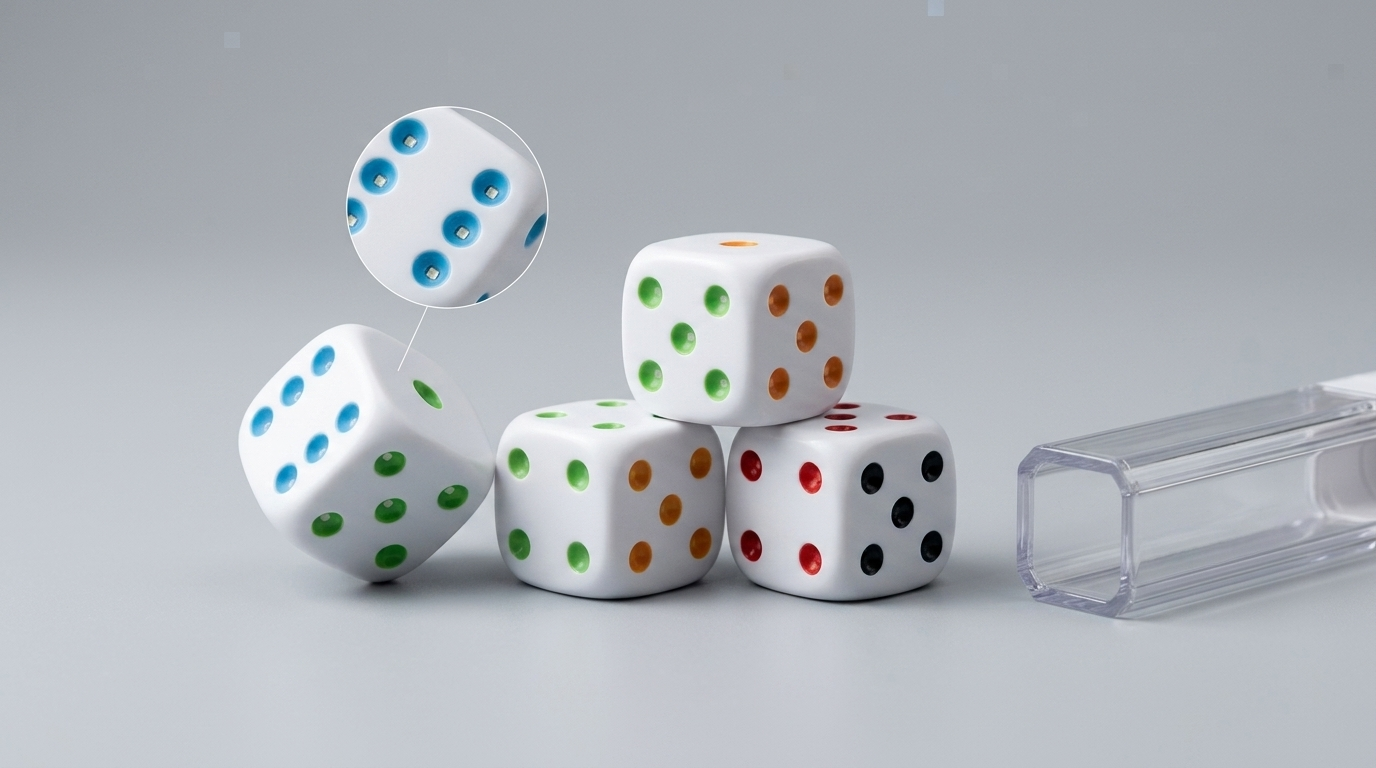
Dice come in various shapes and sizes, but the six-sided die (often called a d6) is the most commonly used. Each face of a six-sided die is marked with dots, known as pips, ranging from one to six. The value of the die is determined by the number of pips on the face that lands facing up after a roll.
Beyond the d6, there are many other types of dice, especially in role-playing games (RPGs). These include:
- Four-sided dice (d4): Pyramidal dice with faces numbered 1 to 4.
- Eight-sided dice (d8): Octahedral dice with faces numbered 1 to 8.
- Ten-sided dice (d10): Decagonal dice with faces numbered 0 to 9.
- Twelve-sided dice (d12): Dodecahedral dice with faces numbered 1 to 12.
- Twenty-sided dice (d20): Icosahedral dice with faces numbered 1 to 20.
Each type of die serves different purposes in various games, but the principles of rolling and reading them remain consistent.

Common Dice Terminology
To play dice games effectively, it's important to understand the common terminology used in these games:
- Roll: The act of tossing the dice.
- Pip: The dots on the faces of a die indicating its value.
- Natural: A roll that meets a game's specific winning condition, such as rolling a 7 in a game of craps.
- Bust: A roll that causes a player to lose points or end their turn, common in push-your-luck games.
- Turn: The sequence during which a player rolls the dice and takes actions based on the result.
- Set Aside: Keeping certain dice that have favorable results while re-rolling others.
Familiarity with this terminology will help you understand game rules and strategies more quickly, making your gameplay smoother and more enjoyable.
Dice Rolling Techniques
How you roll the dice can influence the outcome, and while dice rolling inherently involves chance, developing a consistent technique can lead to more predictable results. Here are some common techniques for rolling dice:
- Cup and Roll: Shake the dice in a cup and then roll them onto a flat surface. This method helps randomize the roll and is often used in casino settings.
- Hand Roll: Shake the dice in your hand and then release them with a flick of the wrist. This is the most common technique used in casual play.
- Controlled Roll: Aim for a consistent roll by using the same motion and releasing the dice from the same height each time. While true control over dice is debated, consistency can help minimize extreme results.
- Dice Tray: Using a dice tray can help contain the dice and provide a consistent rolling surface, reducing the chance of dice rolling off the table or getting lost.
Practicing these techniques can help you feel more comfortable and confident when playing dice games. Consistent rolling practices lead to better control over the game and can enhance the overall playing experience.
3 Simple Dice Games for Beginners
Dice games are an excellent way to enjoy time with friends and family, offering both excitement and strategic thinking. For beginners, starting with simple games helps build familiarity and confidence. Here are three straightforward dice games to get you started.
Pig Dice Play
The objective of Pig Dice Play is to be the first player to reach a predetermined score, typically 100 points. Players take turns rolling a single die, aiming to accumulate points without rolling a 1, which would end their turn and forfeit their points for that round.
How to Play Pig Dice
Rules
- On your turn, you roll a single die as many times as you like.
- Each roll that doesn't result in a 1 adds points to your current total for that turn.
- If you roll a 1, your turn ends, and you lose all points accumulated during that turn.
- You can choose to stop rolling at any time and add your current total to your overall score.
Player Turns
- Rolling the Die: On your turn, you roll the die (ideally in a dice tray) as many times as you like. Each roll adds to your turn total, unless you roll a 1.
- For example, if you roll a 4, then a 3, your total becomes 7.
- Rolling a 1: If you roll a 1, your turn ends, and you lose all points accumulated during that turn. For instance, if you had a running total of 7 and then rolled a 1, you would score 0 points for that turn.
- Choosing to Hold: You can choose to end your turn at any time and add your current turn total to your overall score. This strategy can help mitigate the risk of rolling a 1.
Strategy Tip: Aim for smaller, consistent rolls to avoid rolling a 1 and losing your progress. By stopping after accumulating a modest number of points, you reduce the risk of losing everything.
Winning the Game
The game continues with players taking turns until one player reaches or exceeds the target score (e.g., 100 points). That player is declared the winner. The straightforward scoring and turn-taking mechanics make Pig Dice Play an engaging and accessible game for beginners.
Strategies
- Aiming for Consistent Points: Regularly score small, safe amounts to gradually build your total.
- Knowing When to Hold: Assess the risk of continuing to roll versus the reward of securing points. Stop rolling if you've accumulated a decent number of points.
- Being Cautious: As you approach the target score, consider playing more conservatively to avoid busting.
- Adjust Gameplay: Tailor your strategy based on your current score relative to your opponents. If you're in the lead, playing more conservatively might be beneficial.
Yahtzee Dice Game
The objective of Yahtzee is to score the highest total points by rolling five dice to make specific combinations, filling in a score sheet over 13 rounds.

How to Play Yahtzee Dice
Rules
- Players take turns rolling five dice.
- You can roll the dice up to three times per turn, setting aside dice you want to keep and re-rolling the others.
- After three rolls, you must choose a combination to score on your score sheet.
Taking Turns
- Rolling and Re-Rolling: On your turn, roll the dice up to three times. After each roll, decide which dice to keep and which to re-roll.
- Choosing Combinations: After your rolls, select a combination to score. This can include categories like three of a kind, four of a kind, full house, small straight, large straight, Yahtzee (five of a kind), and chance.
Scoring Sheet
- Upper Section: Score points based on the number of specific pips (e.g., three 3s score 9 points). If the total score in this section is 63 or more, you earn a bonus of 35 points.
- Lower Section: Score points based on specific combinations, such as three of a kind, full house, and Yahtzee.
Winning the Game
The player with the highest total score at the end of the game wins. The variety of scoring combinations and the strategic element of deciding where to place your scores make Yahtzee an engaging and rewarding game.
Strategies
- Choosing Scoring Chances Wisely: Evaluate the best possible score based on your current roll and the categories you still need to fill.
- Filling the Upper Section First: Prioritize filling the upper section to secure the 35-point bonus.
- Taking Calculated Risks: Sometimes, it’s worth taking a risk to roll for a higher-scoring combination, especially if it can significantly boost your total score.
Ship Captain and Crew
Ship, Captain, and Crew is a classic dice game that combines luck and strategy. It is a fun and engaging activity suitable for all ages, making it a popular choice for family gatherings and casual get-togethers. Below are the detailed rules on how to play the game.
How to Play Ship, Captain, and Crew
Rules
- Each player takes turns rolling five dice.
- The goal is to roll a 6 (Ship), a 5 (Captain), and a 4 (Crew) in that order.
- The remaining two dice represent the cargo, and their sum is your score for that turn.
Player Turns
- Rolling for Ship, Captain, and Crew: On each turn, players have up to three rolls to achieve the Ship, Captain, and Crew. You must roll a 6 (Ship) before you can keep a 5 (Captain), and a 5 before you can keep a 4 (Crew).
- Rolling for Cargo: Once you have the Ship, Captain, and Crew, the remaining two dice are rolled to determine your cargo score. The sum of these two dice is your score for that turn.
Strategies
- Deciding Which Dice to Keep or Reroll: Focus on achieving Ship, Captain, and Crew first. If you don't roll them in the correct order, set aside the highest priorities and reroll the rest.
- Prioritizing Rolls: Secure the Ship, Captain, and Crew as quickly as possible to maximize your chances of a high cargo score. Balance the need for these essential rolls with the potential points from the remaining dice.
These three simple dice games offer a great starting point for beginners. They provide a mix of luck and strategy, ensuring that every game is exciting and engaging. With practice, you'll become more confident in your dice rolling and strategic thinking, paving the way for more complex and challenging dice games in the future.
Dice Rolling Made Fun with the Go Dice App
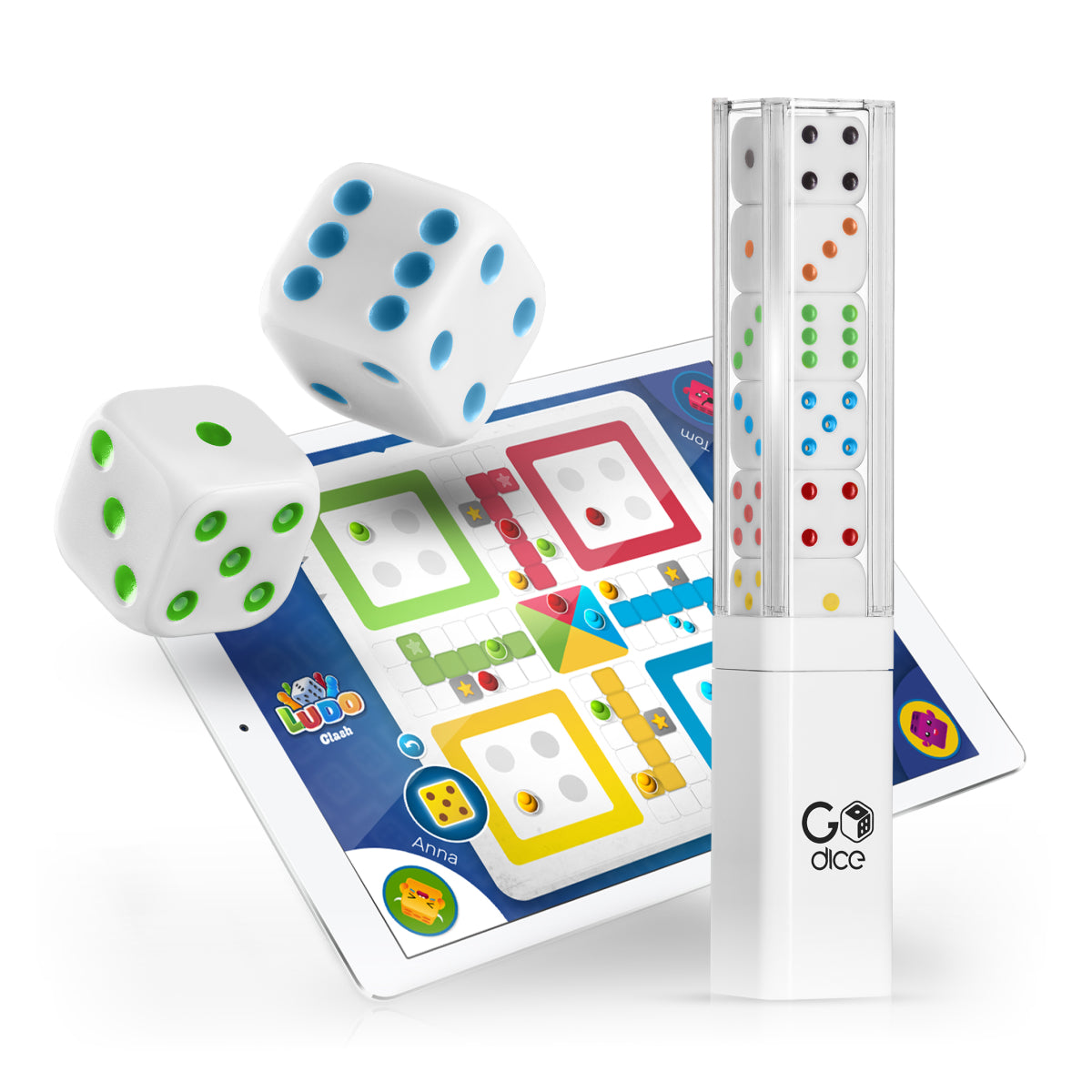
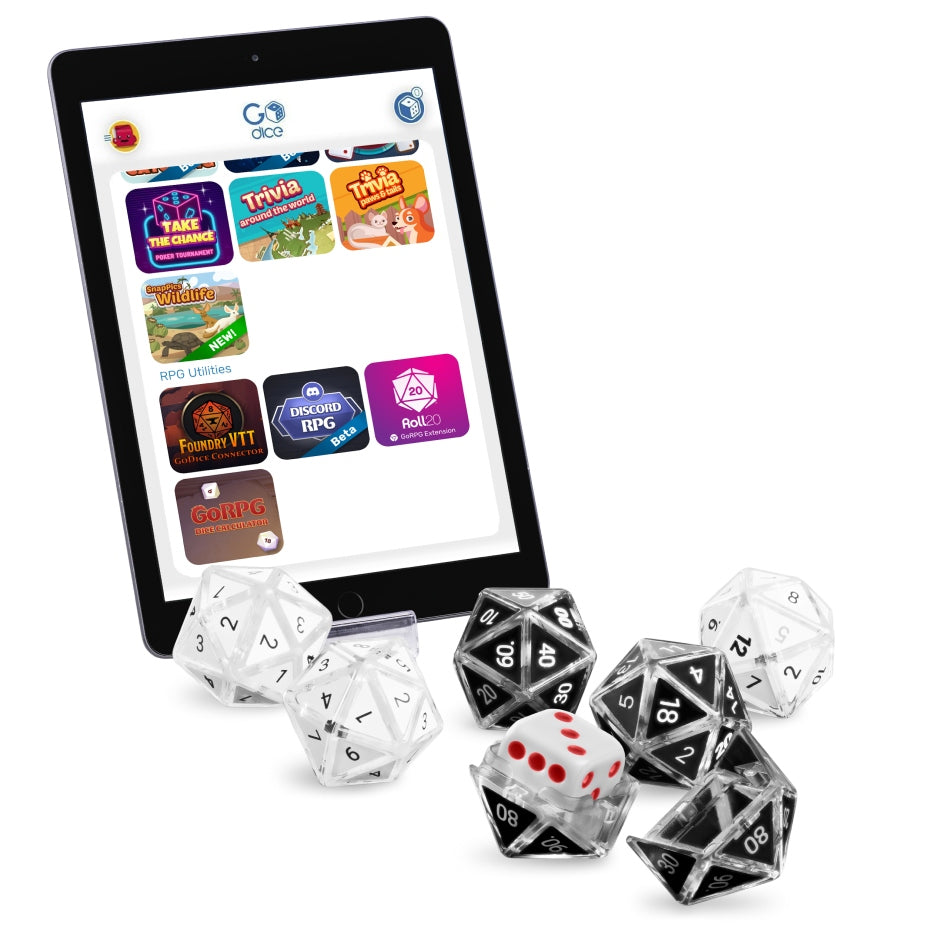
Enhance your dice-rolling experience with the Go Dice App. Available on both Apple and Google Play, this app takes your dice games to the next level with interactive features and seamless integration with Particula's products. The Go Dice App allows you to play all three games mentioned above—Pig Dice Play, Yahtzee, and Ship, Captain, and Crew—along with over 20 other dice games, using the GoDice. This makes it easy to enjoy your favorite games anytime, anywhere, with the convenience of digital tracking and tutorials to help you improve your skills.
The Go Dice App offers a variety of game modes, tutorials, and tracking features to help you improve your skills and enjoy your favorite dice games even more. All three games mentioned below, along with over 20 other dice games, can be found in the app.
With the Go Dice App, dice rolling becomes a fun, interactive, and immersive experience, perfect for players of all skill levels.
Supplies and Accessories for Dice Games
When it comes to enhancing your dice game experience, having the right supplies and accessories can make all the difference. Elevate your dice gaming experience with GoDice's range of high-quality accessories designed to enhance gameplay and add convenience. Here are some must-have GoDice accessories:
GoDice RPG Shells
Transform your GoDice into multi-sided dice with these RPG Shells. Perfect for role-playing games, they snap on easily and bring versatility to your gaming adventures.
GoDice Tray
Keep your dice rolls contained and organized with the GoDice Tray. Made from premium materials, it protects your table and ensures fair, random rolls. Its compact design makes it easy to store and carry.
GoDice Throwing Cup
Add a touch of tradition with the GoDice Throwing Cup. Designed for durability and comfort, it helps you shake and roll dice with ease, perfect for games requiring multiple rolls.
GoDice USB Charger
Never run out of battery mid-game with the GoDice USB Charger. This portable charger is designed specifically for GoDice, allowing you to charge multiple dice quickly and simultaneously.
Conclusion
By understanding the basics of dice, familiarizing yourself with common terminology, and practicing effective rolling techniques, you can enhance your gameplay and enjoyment.
Starting with beginner-friendly games like Pig Dice Play, Yahtzee, and Ship, Captain, and Crew provides a solid foundation for more advanced play in the future.
Enhancing your dice game experience with quality supplies and accessories, such as GoDice and its user-friendly products, can further elevate your enjoyment. Additionally, incorporating technology like the Go Dice App brings a modern twist to traditional dice games, offering interactive features and tools to improve your skills and track your progress.