

Updated July 2026
Math is funny like that.
A kid can sigh at a worksheet… and then happily spend 20 minutes arguing that 7 + 8 is definitely 15 because the dice said so. Same brain. Different packaging.
That’s the secret sauce of math board games for kids: they sneak the learning into the fun. Numbers stop feeling like school stuff and start feeling like a risk you can take.
The best ones do more than keep kids busy. They help build real skills like number recognition, fluency, flexible thinking, logic, and early strategy, but in a way that feels active instead of academic.
In this list, we’re going from easy, giggly early-math games to more strategic picks that grow with your kid. So shuffle the cards, roll the dice, and let math do its thing.
How to Tell If a Math Board Game Is Actually Worth It
Not every game with numbers on the box is doing the same kind of work. Some are great for Recognition, some build Fluency, some train Flexibility, and some lean more into Strategy & Probability.
A simple way to spot the differences:
-
Recognition means the game helps kids notice, match, and identify numbers faster.
This is the early-stage stuff: seeing it, knowing it, reacting without freezing. -
Fluency means the game gives lots of quick, repeatable reps.
The goal here is faster, more confident math without making it feel like drills. -
Flexibility means kids are not stuck doing math in one fixed way.
They are combining numbers, reshaping equations, spotting patterns, and finding more than one possible move. -
Strategy & Probability means the math is tied to choices.
Kids are not just getting an answer; they are deciding what move gives them the better outcome.
That’s also why the play part matters: playful learning can support learning more effectively than a more rigid, lecture-style approach. Okay, now let’s meet the math board games that make kids do math on purpose.
Top 10 Math Board Games for Kids
1. Sum Swam
Best for: early learners who need low-pressure addition/subtraction reps and quick wins.

Sum Swam is a vibrant math board game where players roll two number dice and an operations die to create equations while navigating through twists, shortcuts, and swamp critters. Every roll turns into a mini math adventure as kids add and subtract their way through the board, encountering even/odd spaces and winding paths that change this every game.
The physical game board keeps play interactive and engaging, which supports both collaborative and competitive play.
What a turn looks like: your child rolls two number dice and the operation die, makes the equation, then moves that result across a board with shortcuts and loops. That means the math is simple, but the repeated decision is real: take the obvious move or think one step ahead about the route.
Math practice mode: Primary – Fluency | Secondary – Strategy & Probability
Why it earns a spot: This is a fluency-first game. It gives kids lots of low-pressure add/subtract reps, and the board adds just enough route choice to keep those quick calculations from feeling repetitive.
Exact specs: Ages 5+ | 2–4 players | Short game (about 10–20 min) | Adult help: Low
Price: ~$20–25
2. Prime Climb
Best for: kids who are ready for real strategy, not just quick answers.

Prime Climb turns arithmetic into a colorful, strategic race across a spiral board where each number space is color-coded to show multiplication and division relationships. Players roll dice to choose whether to add, subtract, multiply, or divide, and those choices actually matter, because the smartest move isn’t always the fastest. It’s one of those rare strategy board games where the strategy is literally built out of numbers.
What a turn looks like: you roll two d10s, then apply the values one at a time using add, subtract, multiply, or divide; you do not combine them into one big number. A sample move from the rules: from 14, with a 3 and a 9, you could subtract to 11, then multiply to land on 99.
Math practice mode: Primary – Strategy & Probability | Secondary – Flexibility
Why it earns a spot: This is where math becomes planning. Kids are not just solving, they’re choosing the smartest sequence of moves, which makes it one of the strongest games here for strategic number thinking.
Exact specs: Ages 10+ (or 8+ with adult guidance) | 2–4 players | About 10 min per player | Adult help: Medium
Price: ~$30–40
3. GoDice
Best for: kids who engage more with fast feedback, motion, and app-based game loops than with a traditional board.

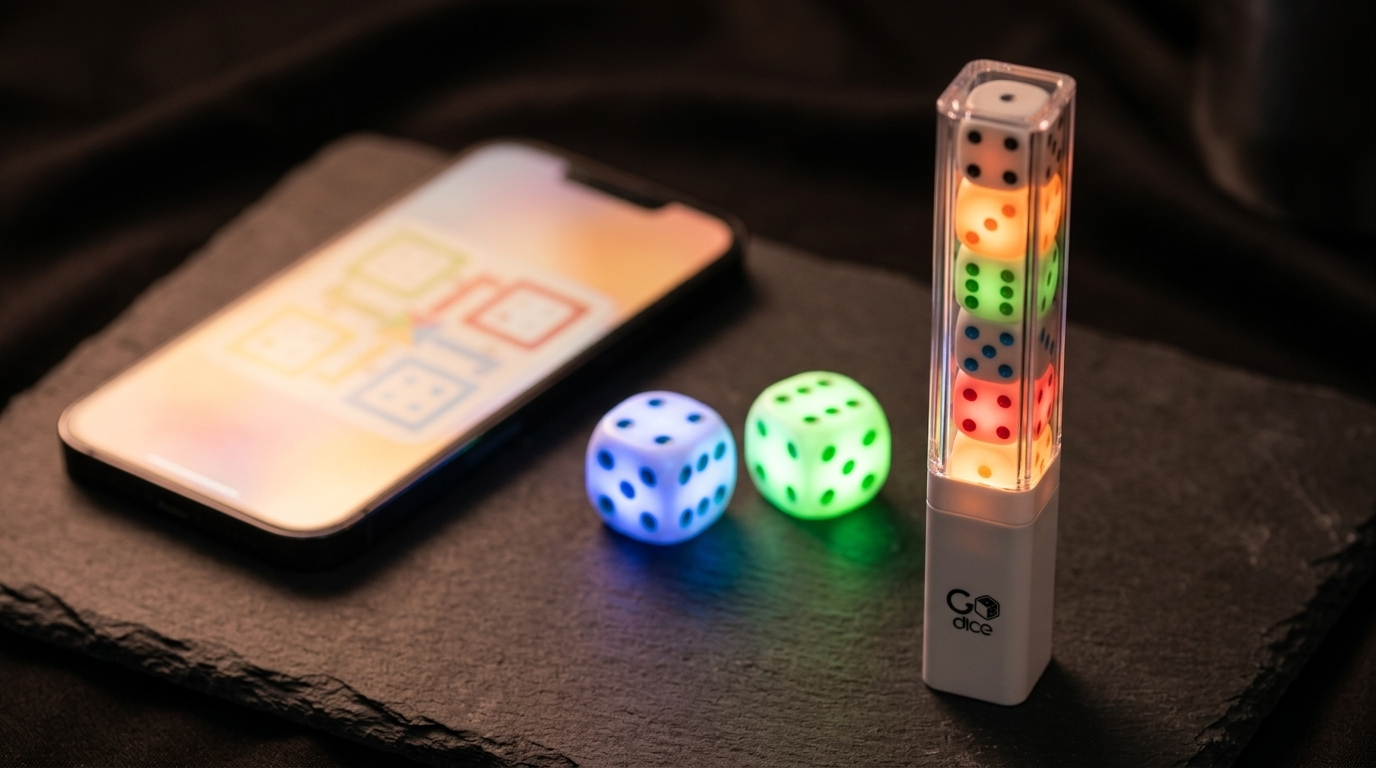
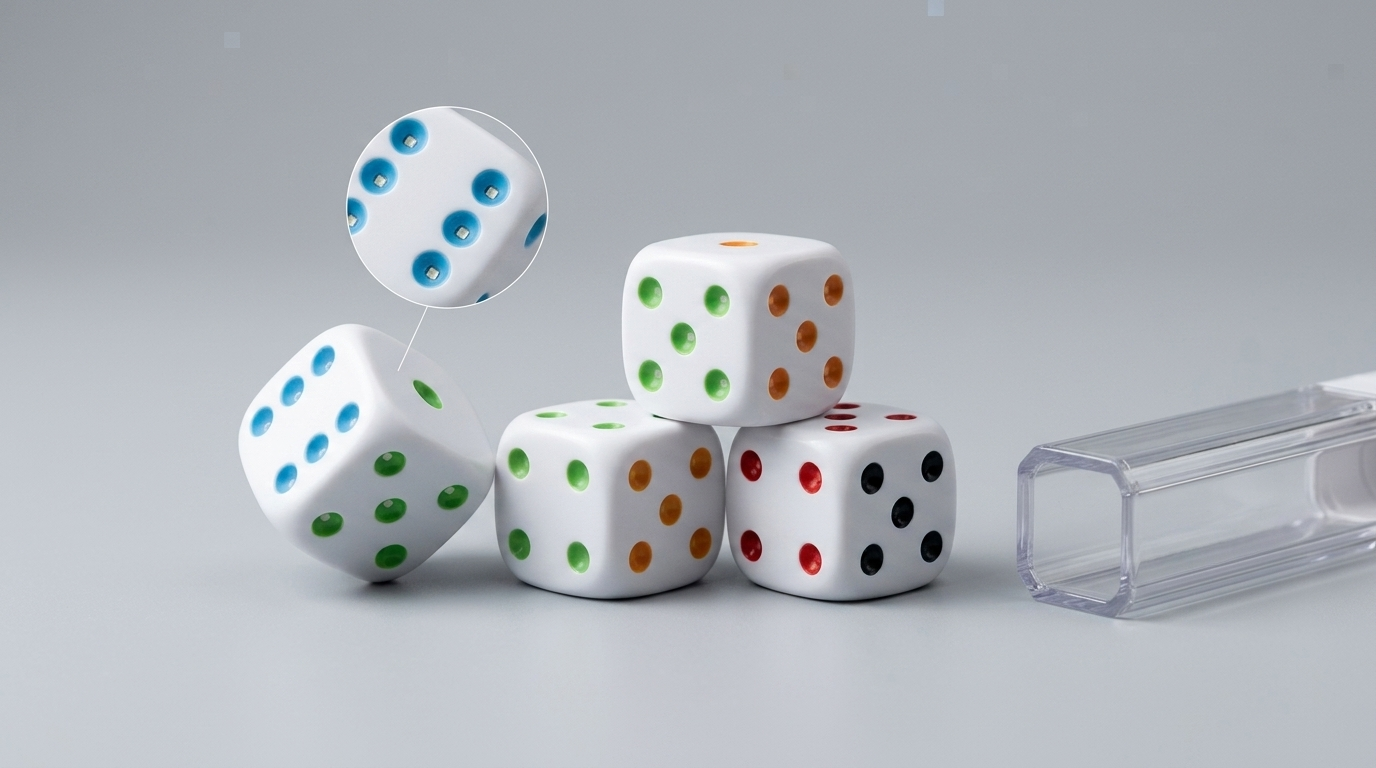
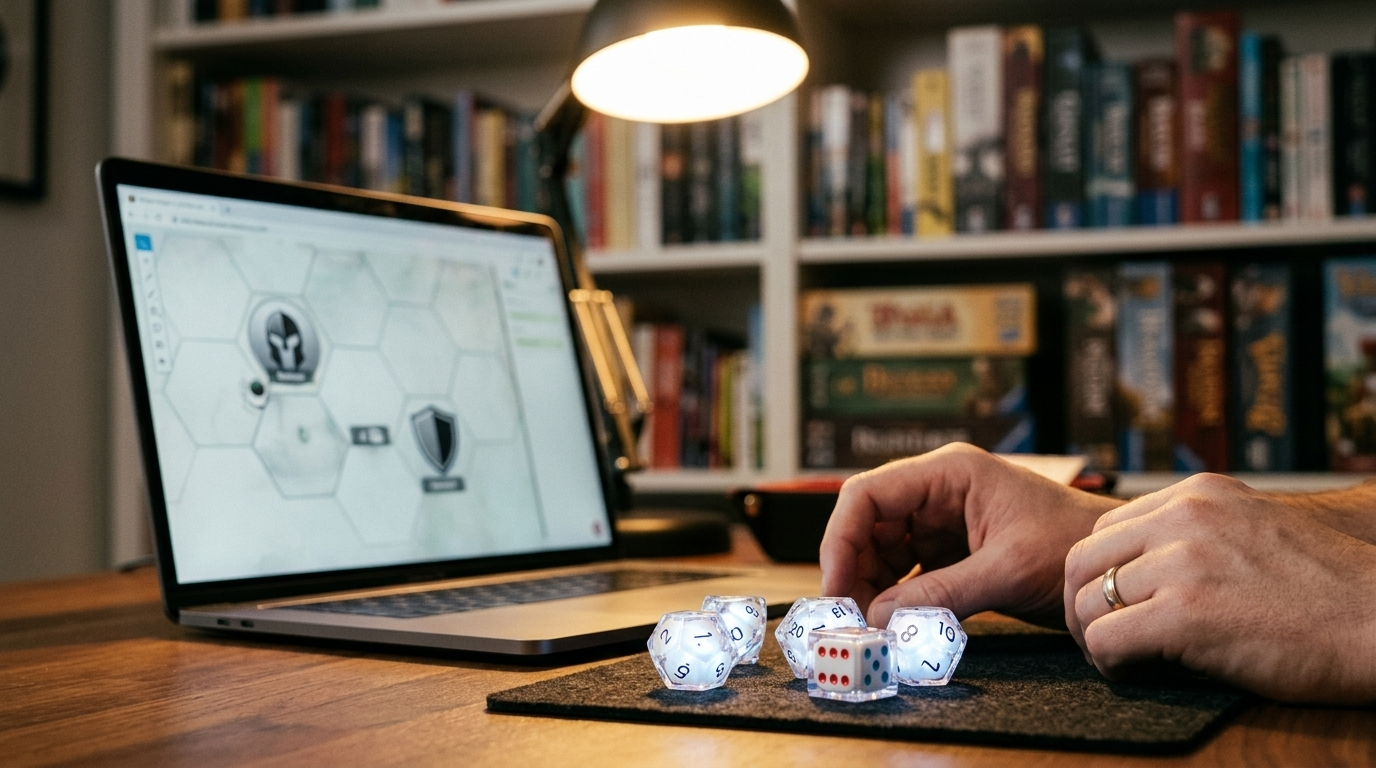
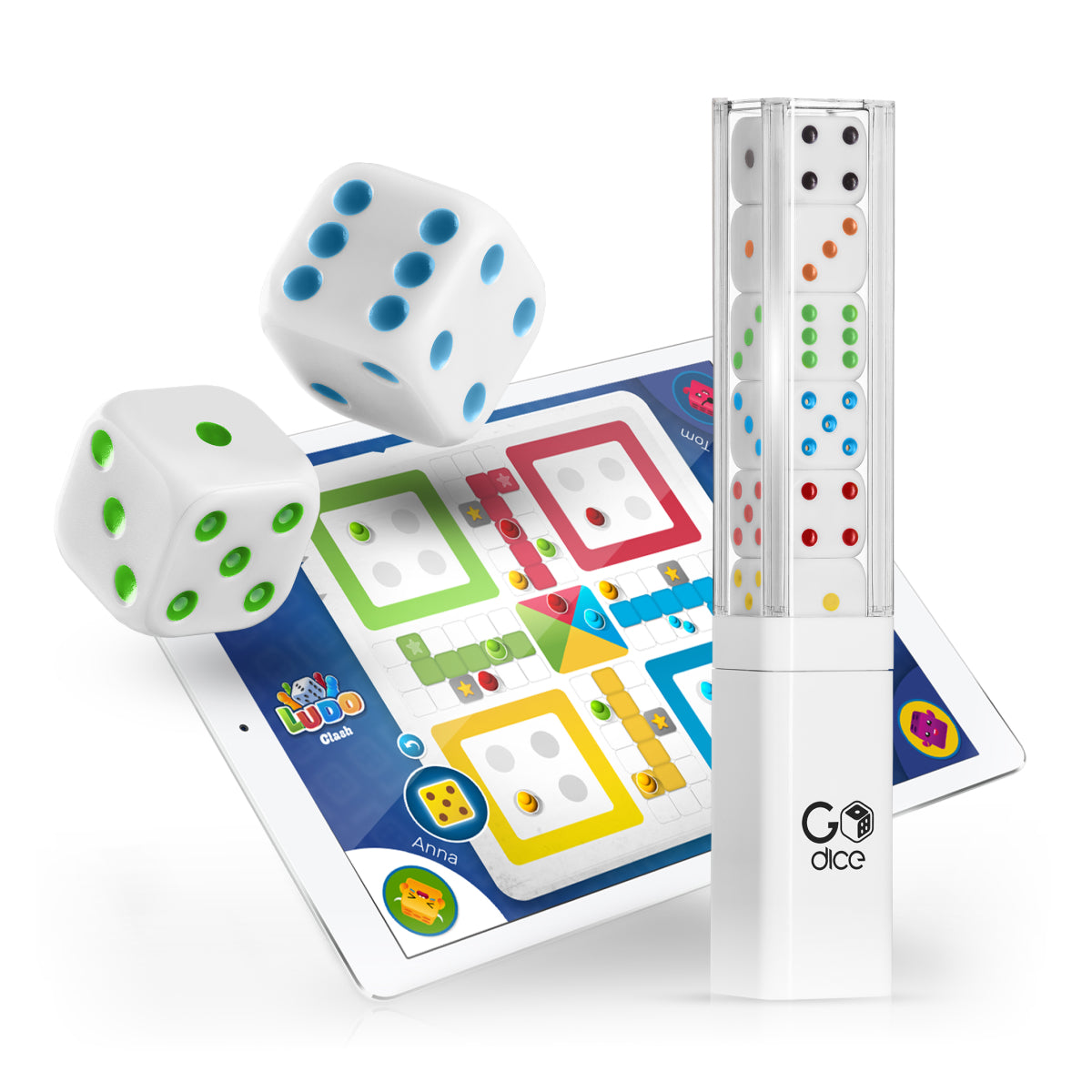
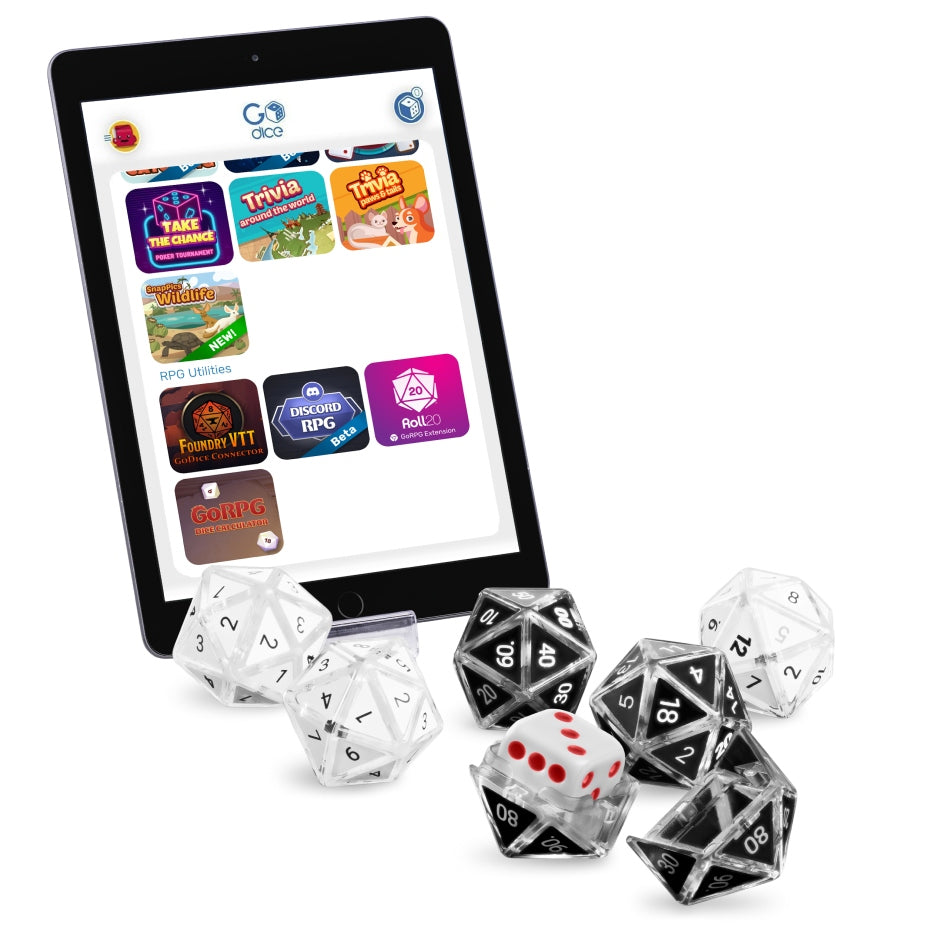
GoDice is the next-generation smart dice set that literally brings your screen to life with real, physical dice that connect to your phone or tablet via Bluetooth and work with a free companion app. GoDice turns traditional dice into interactive game pieces with 3D motion sensors, vibrant LED light feedback, and instant charging that delivers about 2 hours of play per charge.
Inside the companion app are 20+ games, including both family favorites and math-focused learning titles like “GoDice Math,” “2048 Dice,” “Pig,” “Farkle,” and “Yatzy.” These teach quick arithmetic, probability, and number patterns while still feeling like a real game night. As kids roll, the app tracks results in real time, interprets values, and prompts math-based challenges that grow more complex with progress, turning every roll into an active problem to solve.
What a turn looks like: you roll physical dice, the app reads the result instantly, then the game mode decides what comes next, like scoring, target-making, probability choices, or another math challenge.
Math practice mode: Primary – Fluency | Secondary – Strategy & Probability
Why it earns a spot: GoDice works best as a fast-feedback math pick. The app keeps turning, so kids get quick repeated practice, while many game modes also sneak in scoring choices, risk, and probability thinking.
Exact specs: Ages 6+ | Player count depends on the app mode | Short rounds / flexible playtime | Adult help: Low to Medium
Price: ~$50–80 (varies by pack size)
4. Equate
Best for: older kids who like crossword-style puzzle play and are comfortable building equations.

Equate is like Scrabble for math, challenging players to place number and operation tiles on a crossword-style grid to build valid equations. Bonus squares reward longer and more complex equations, and players must balance creativity with accuracy to score big. Every play encourages mental flexibility and reinforces the concept that math problems can be rearranged and composed in multiple valid ways.
What a turn looks like: instead of solving a single printed problem, you place number and operation tiles to create a valid equation on the shared board, then try to score better by using harder operations or premium spaces. The core choice is whether to play a safe, small equation now or hold for a bigger-scoring build later.
Math practice mode: Primary – Flexibility | Secondary – Strategy & Probability
Why it earns a spot: Equate is all about building and reshaping equations. Instead of drilling facts, it pushes kids to think about how math pieces fit together, which makes it a true flexibility game.
Exact specs: Ages 8+ | 2–4 players or teams | Long game (often around 60–120 min, depending on play style) | Adult help: Medium
Price: ~$20–40
5. Zingo!
Best for: preschoolers and early number learners who are still building recognition, counting, and very simple addition.

Zingo! 1-2-3 delivers fast-paced number matching through a clever tile dispenser that slides out tiles randomly, keeping every draw exciting. Players match number cards on their boards, calling out “Zingo!” when they complete rows. The repetitive motion and frequent matches build familiarity without pressure.
What a turn looks like: a tile slides out of the Zinger, the child spots the number, checks their card, and covers the matching space if they have it. The challenge is not about solving something difficult, but about recognizing numbers quickly and staying focused.
Math practice mode: Primary – Recognition | Secondary – Fluency
Why it earns a spot: This is the clearest recognition game in the roundup. It helps younger kids spot numbers quickly, match them with confidence, and build early familiarity before heavier math shows up.
Exact specs: Ages 4+ | 2–6 players | Very short rounds (around 5–10 min) | Adult help: Low
Price: ~$20–25
6. Money Bags
Best for: kids learning real coin values, counting money, and making change.

Money Bags is a money-centric math board game where kids spin to earn or lose play money, count totals, and make change at the bank while racing to hold the highest total at the end. Gameplay uses realistic coin values and requires players to make quick decisions about earning and spending during each turn. The colorful money and interactive bank add a tactile learning element that kids love to manipulate.
What a turn looks like: players move along the dollar-sign path, then earn, spend, or exchange coins and bills depending on where they land. The math is not just counting money, but figuring out which mix of coins and bills makes the amount and whether swapping them creates a better set.
Math practice mode: Primary – Fluency | Secondary – Flexibility
Why it earns a spot: Money Bags makes basic arithmetic feel practical. Kids are not just counting, they’re working with real-value combinations, which adds flexible thinking on top of everyday money math.
Exact specs: Ages 7+ | 2–4 players | About 30 min | Adult help: Low to Medium
Price: ~$20–30
7. Adsumudi
Best for: kids who like quick, competitive mental-math puzzles and want one game that scales in difficulty.

Adsumudi is a math card game where players use combinations of numbers and operations to reach target values, with multiple difficulty levels so kids can choose the challenge that fits. Whether they’re using simple addition or juggling multiplication and division, the flexible gameplay keeps every round fresh. The monster theme and colorful cards make the experience feel like a quest instead of practice.
What a turn looks like: everyone looks at the same card and tries to make the target number in the center by combining the five surrounding numbers with addition, subtraction, multiplication, and division. The game’s own example shows how the same target can have easier and harder valid solutions depending on how many numbers you use.
Math practice mode: Primary – Flexibility | Secondary – Fluency
Why it earns a spot: This game shines because one target can be reached in multiple ways. That makes it less about speed alone and more about learning that numbers can be combined creatively.
Exact specs: Ages 9+ | 2–8 players | About 15 min | Adult help: Low to Medium
Price: ~$19–30
8. Shut the Box
Best for: kids who like short, replayable rounds and are ready for simple probability decisions.

Shut the Box is a simple yet deceptively deep dice game for kids where players roll two dice, add their totals, and flip down matching numbered tiles until no moves remain. Each round teaches kids to evaluate possible number combinations and think ahead about results. With a smooth wooden board and satisfying tile-flipping action, the game feels tactile and purposeful.
What a turn looks like: you roll, then decide how to cover tiles using that total. Say you roll an 8 and choose whether to cover 8 alone or split it into 5 + 3. That tiny choice is the whole point: the best current move is not always the best setup for the next roll.
Math practice mode: Primary – Strategy & Probability | Secondary – Flexibility
Why it earns a spot: Shut the Box is not just “roll and add.” Its real value is in choosing which tiles to close now so your next roll leaves you with better odds. That makes it a great probability-intuition game.
Exact specs: Ages 8+ | 1–4 players | About 10–20 min | Adult help: Low
Price: ~$25–30
9. Numberella Deluxe
Best for: kids who need lots of mental-math reps but stay engaged when luck, coins, and mini-events are mixed in.

Numberella Deluxe is a dynamic math adventure full of missions, money, and math challenges designed to make numbers feel like tools instead of tasks. Players earn and lose coins based on how quickly or cleverly they solve combinations, choosing paths and strategies that affect their final score. The game blends light time pressure with tactical choice to build engagement.
What a turn looks like: a player rolls to choose a stack, draws the top card, answers correctly to earn Antcoins, and fortune cards can interrupt with steals, skipped turns, or extra swings. In other words, it’s not just “answer and move on”; it’s answer, score, and manage the chaos.
Math practice mode: Primary – Fluency | Secondary – Strategy & Probability
Why it earns a spot: This one is built for lots of repeated mental-math reps, but the coins, fortune cards, and mini setbacks make it more dynamic than a simple drill game. It mixes fluency with light tactical thinking.
Exact specs: Ages 6–10 / Grades 2–4 | 2–5 players | Flexible playtime (about 15–60 min depending on setup) | Adult help: Medium
Price: ~$30–45
10. Rummikub Premium Edition
Best for: mixed-age play and kids who enjoy spotting runs, groups, and table-wide rearrangements.

Rummikub is basically “math patterns, but make it addictive.” You’re building runs (like 7-8-9) and groups (three 11s in different colors), then rearranging the table mid-game to create new combos. The Premium Edition levels it up with higher-quality components (engraved tiles/premium racks, depending on the edition) and gift-style packaging.
What a turn looks like: you lay down runs or groups, then often realize you can break apart something already on the table, rebuild it legally, and free the exact tile you need. The key decision is whether to play a small safe set now or go for a bigger rearrangement chain.
Math practice mode: Primary – Flexibility | Secondary – Strategy & Probability
Why it earns a spot: Rummikub is strongest when kids start rearranging the whole table. That constant reshuffling builds pattern flexibility first, with strategy coming from knowing when to make a small move or a big one.
Exact specs: Ages 8+ | 2–4 players | About 20 min | Adult help: Low
Price: ~$35–$55 (varies by seller)
Our Take: Which Math Board Game Fits Your Kid Best?
Read the whole list, still deciding? Here’s the fast version.
-
If your child needs easy early wins, go with Sum Swamp or Zingo! 1-2-3.
Both are built for younger players, have short rounds, and keep the math simple enough to feel doable right away. -
If you want the pick that hides the “practice” best, go with GoDice.
It uses physical dice, app-based play, and fast feedback, so the experience feels more like action than sit-down math time. -
If your child likes short, flexible play and gets bored fast, go with GoDice again.
Its rounds are quick, the playtime is flexible, and the game mode changes with the app, which makes it one of the easiest repeat-play picks on the list. -
If your child is ready for more brain stretch, go with Prime Climb or Equate.
Both lean more into planning and flexible thinking, so they work better for kids who enjoy solving, not just answering fast. -
If you want one of the safest mixed-age picks, go with Rummikub.
It’s easy to learn, low on adult help, and gives both younger and older kids something real to do at their own level.
Proof That Math Can Be a Game
Math doesn’t need to look like math to work.
A good game gives kids a reason to calculate, move forward, score points, beat the swamp, build the equation, and flip the tile. And somewhere between “my turn!” and “one more round,” they’re doing real work: number sense, quick mental math, patterns, probability, logic, strategy.
So really, the goal here is simple: pick the game your child will actually want to play before they dramatically declare all math “boring” for the rest of the week. The right one turns numbers into something useful, competitive, and mildly chaotic, which, honestly, is a huge upgrade from worksheets.
Now go clear the table… and prepare to lose to a six-year-old who suddenly discovered probability.
For current product details, see GoCube Edge Full Pack. Check the official listing for current availability and supported features before choosing.
Frequently asked questions
How does GoCube Edge turn a physical puzzle into connected play?
GoCube Edge tracks moves in real time while the companion experience adds tutorials, games, and challenges to the physical cube.
Can GoCube Edge help a child practice a twisty puzzle?
Yes. Real-time move tracking and companion tutorials and challenges can support repeated cube practice while the child continues to handle a physical puzzle.
Does GoCube Edge need disposable batteries?
No. The official product details describe GoCube Edge as rechargeable. Check the current listing for the latest included accessories and charging information.
What purchase protection is listed for GoCube Edge?
The official product details list a one-year warranty and a 30-day guarantee. Review the current terms on the product page before ordering.